- Loading...
- Loading...



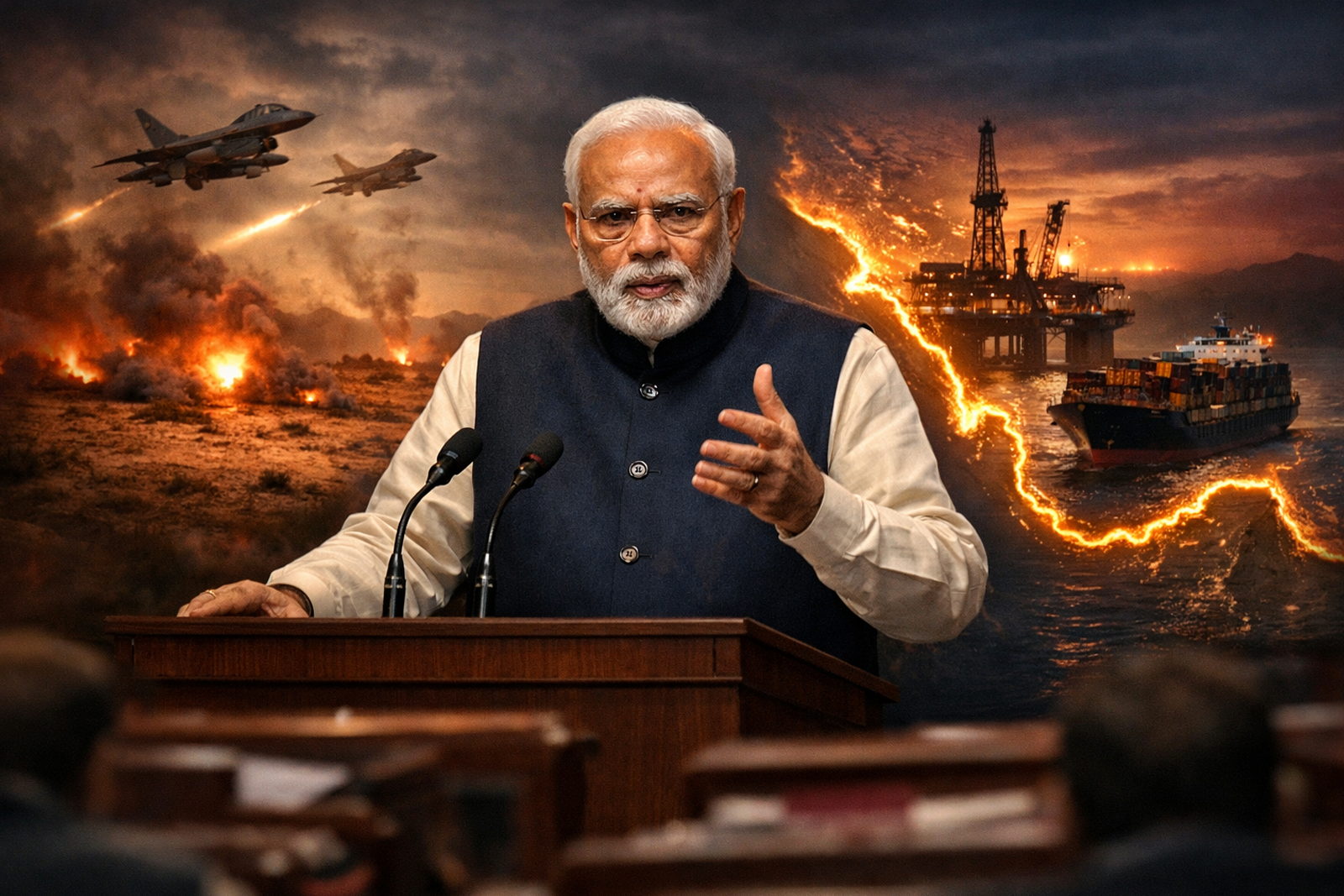
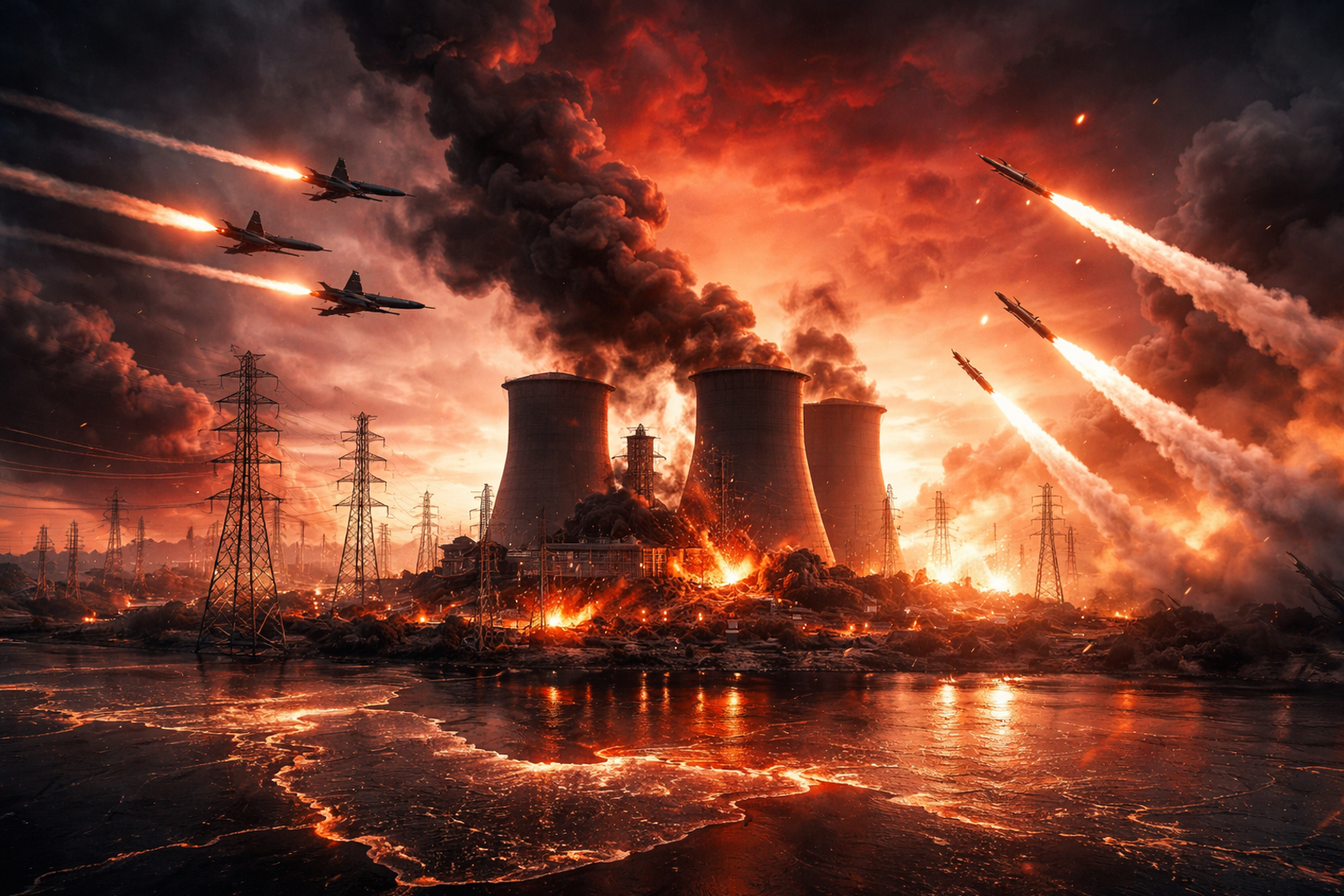
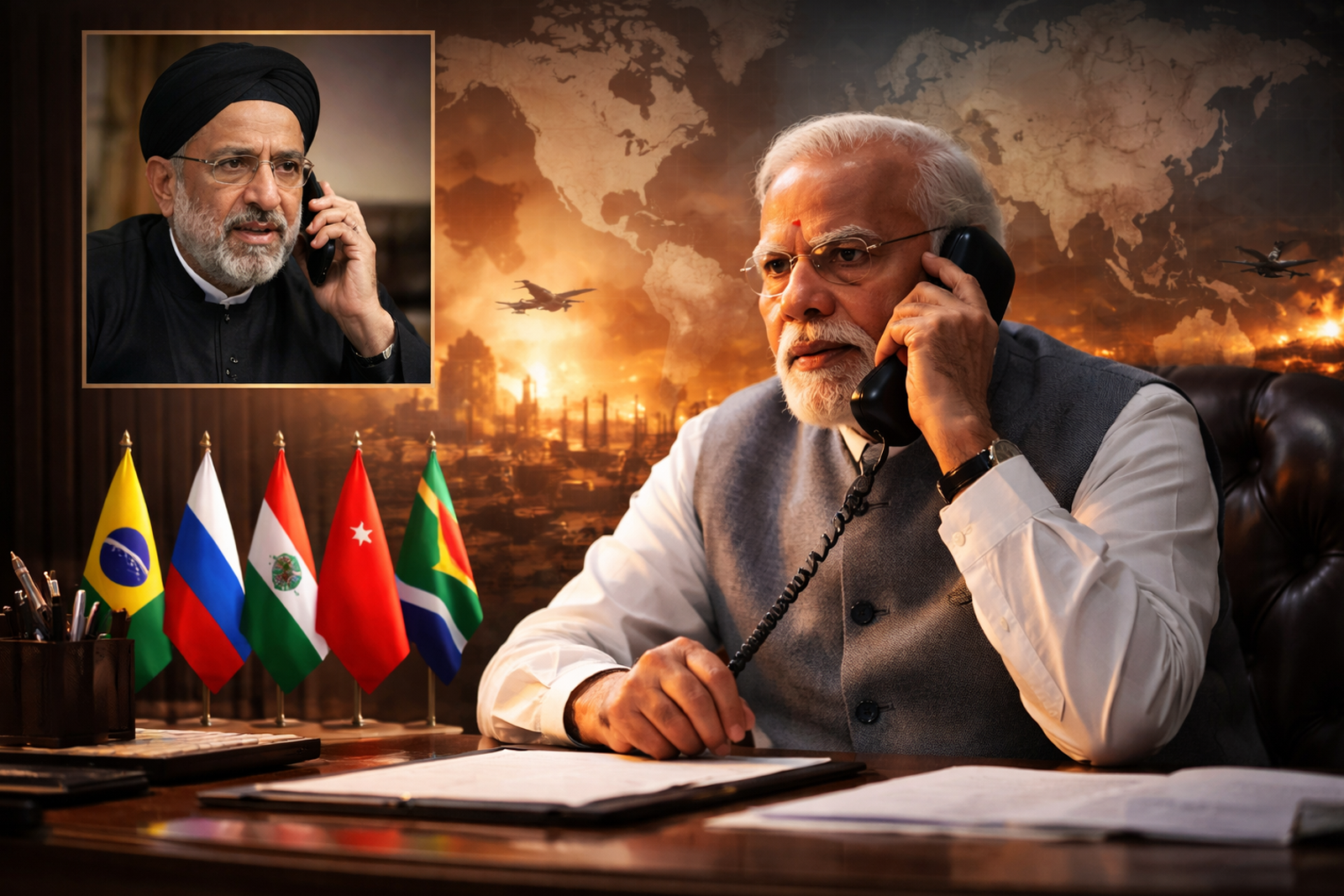
Prime Minister Narendra Modi on Wednesday issued a strong caution in the Rajya Sabha, highlighting the potential long-term consequences of the intensifying conflict between the United States and Iran. Addressing lawmakers, he stressed that the situation is not a short-lived crisis but one that could reshape global stability and economic patterns for an extended period.
Modi underlined that India, as a major energy importer, must remain alert to disruptions in oil and gas supplies. Any instability in the Middle East could directly impact fuel prices, inflation, and overall economic growth. He emphasized the importance of preparedness, urging both government agencies and industries to adopt strategies that can cushion the country from external shocks.
The Prime Minister also pointed out that geopolitical tensions often trigger ripple effects across global trade routes, financial markets, and diplomatic relations. He called for a balanced and cautious approach, ensuring that India continues to safeguard its national interests while advocating for peace and dialogue on the international stage.
Reassuring citizens, Modi stated that the government is closely monitoring developments and is ready to take necessary steps to minimize any adverse effects. He reiterated India’s commitment to stability, cooperation, and diplomatic solutions, while urging unity and resilience at home.
As the conflict unfolds, Modi’s message serves as a reminder that global events can have deep domestic implications, making vigilance and long-term planning essential for navigating uncertain times.
Prime Minister Narendra Modi delivered a serious and forward-looking message in the Rajya Sabha, cautioning that the escalating conflict between the United States and Iran may have consequences that extend far beyond immediate military outcomes. He emphasized that such geopolitical crises tend to create long-term disruptions, affecting economies, energy security, and global stability.
The Prime Minister’s remarks come at a time when tensions in the Middle East are intensifying, raising concerns worldwide. For India, which maintains strong economic and strategic ties with the region, the implications are particularly significant. Modi’s address underscored the importance of preparedness, resilience, and strategic planning in navigating the uncertain global landscape.
One of the primary concerns highlighted by Modi is India’s dependence on imported energy. A large portion of India’s crude oil and natural gas comes from the Middle East, making the country vulnerable to supply disruptions.
The Prime Minister stressed that diversifying energy sources and strengthening strategic reserves would be crucial steps in mitigating these risks.
Modi pointed out that global conflicts often trigger inflationary pressures, especially in developing economies like India.
He assured that the government is prepared to intervene when necessary to stabilize prices and protect economic growth.
The Middle East plays a vital role in global trade, with key maritime routes passing through the region. Any instability could disrupt international shipping.
Modi emphasized the need for India to strengthen alternative trade routes and logistics planning to ensure continuity.
India maintains strong relationships with both the United States and Iran, making diplomacy a delicate task.
Modi reiterated India’s commitment to dialogue and peaceful resolution, highlighting its role as a responsible global player.
Another critical concern is the safety of Indian citizens living and working in the Middle East.
The Prime Minister assured that the government is closely monitoring the situation and is prepared to act swiftly to ensure the safety of its citizens.
Modi cautioned that the conflict could reshape global alliances and power dynamics.
He stressed that India must remain adaptable and proactive in responding to these changes.
Reassuring the nation, Modi highlighted the steps being taken to prepare for potential fallout.
He emphasized that preparedness is not just about immediate response but also about long-term resilience.
The Prime Minister concluded his address by urging citizens to remain calm but aware of the evolving situation.
He reinforced that while the challenges may be significant, India has the capacity and determination to navigate them successfully.
The warning issued by Narendra Modi serves as a crucial reminder of how interconnected today’s world is. The ongoing tensions between the United States and Iran are not confined to one region—they have the potential to influence economies, politics, and societies across the globe.
India’s response, as outlined in the Rajya Sabha, reflects a balanced approach focused on preparedness, diplomacy, and resilience. While uncertainties remain, the emphasis on long-term planning and national unity offers a roadmap for managing the potential challenges ahead.
As the situation continues to evolve, India’s ability to adapt and respond strategically will play a key role in safeguarding its interests and maintaining stability in an increasingly unpredictable global environment.

In today’s world of endless choices and digital noise, marketing is no longer just about promoting products — it’s about creating meaningful connections. Successful brands focus on building relationships rather than chasing transactions. Marketing that connects transforms audiences into loyal communities by earning their trust, understanding their needs, and delivering genuine value. When businesses prioritize people over promotions, marketing becomes more than strategy — it becomes a relationship built to last.
Odisha’s small businesses are entering a new era — where mobile apps, online payments, and e-commerce aren’t luxuries, but lifelines for growth and survival.

As India enters the second phase of its digital revolution, artificial intelligence and automation are not just transforming industries—they’re redefining what it means to work, earn, and adapt.

The conference brought together officials from ten central districts, including district collectors, tehsildars, registrars, and welfare officers, either virtually or in person.

We glorified sleepless nights, burnout, and exhaustion as signs of ambition. But when did working yourself to the edge become the definition of success?

Not everyone who thrives in tech writes code. Some design the very experiences that make technology human.


Leave Comments