- Loading...
- Loading...



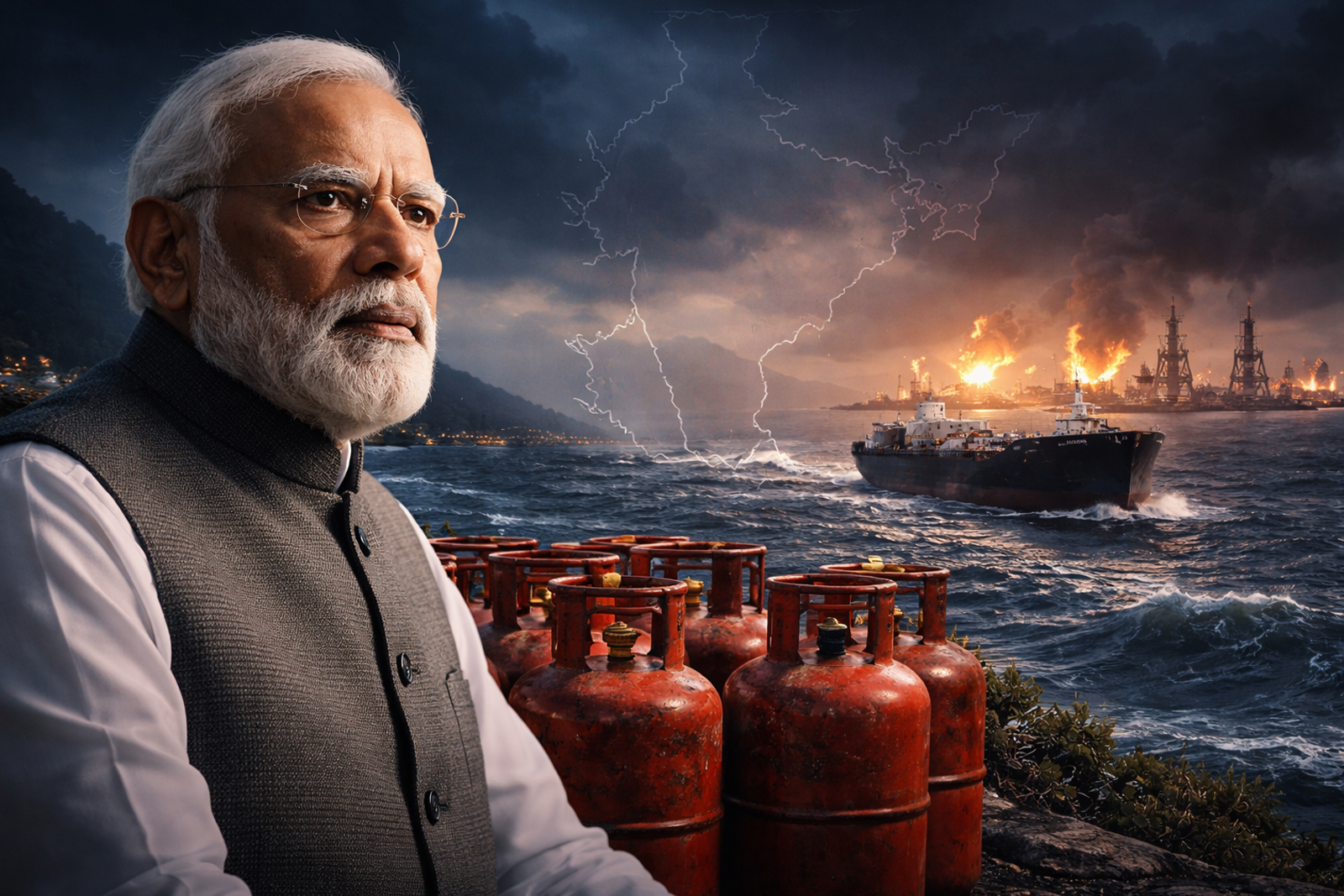
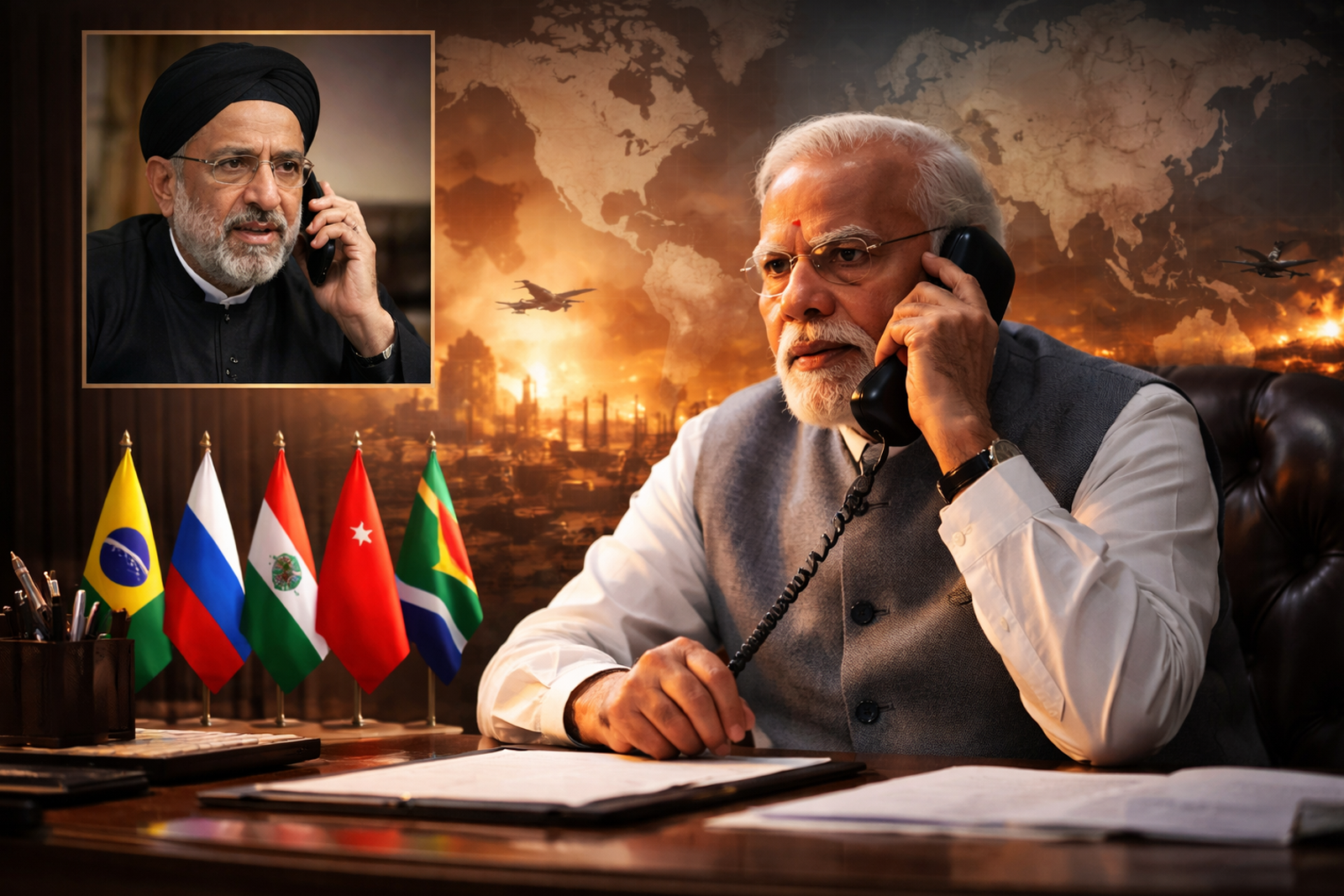
As geopolitical tensions escalate in Iran, concerns over energy security have begun to ripple across India. The disruption in gas supplies, triggered by instability in one of the world’s key energy-producing regions, has led to growing anxiety among industries and households alike. In response, Prime Minister Narendra Modi has stepped forward to reassure the nation, urging citizens to remain calm and avoid panic-driven consumption.
The government has emphasized that contingency plans are already in place to manage short-term supply gaps. Officials are actively coordinating with alternative global suppliers to stabilize imports and ensure that essential sectors, including cooking gas distribution and power generation, continue to function without major interruptions. Strategic reserves are also being utilized to cushion the immediate impact of reduced inflows.
At the state level, authorities across regions such as West Bengal are closely monitoring local supply chains to prevent hoarding and price manipulation. In major urban centers like Kolkata, steps are being taken to maintain steady distribution and keep consumers informed.
Experts believe that while the current disruption poses challenges, India’s diversified energy strategy and diplomatic outreach can help mitigate long-term risks. The situation remains dynamic, but the government’s proactive stance aims to strike a balance between caution and stability, ensuring that citizens face minimal inconvenience during this period of global uncertainty.
Different regions are experiencing varying levels of impact depending on their consumption patterns and supply networks. In states like West Bengal, local authorities have increased vigilance to ensure uninterrupted supply of LPG cylinders. Monitoring teams are working to prevent illegal stockpiling and to ensure fair pricing.
In metropolitan areas such as Kolkata, the administration has focused on maintaining smooth last-mile delivery. Gas agencies are being instructed to adhere strictly to distribution schedules, and helplines are being set up to address consumer concerns promptly.
The energy disruption is not limited to households. Industries that depend heavily on gas for production are also facing uncertainty. Manufacturing units, power plants, and small-scale industries could see increased operational costs if the situation persists.
Economists warn that prolonged instability may contribute to inflationary pressures, as rising fuel costs often lead to higher prices for goods and services. However, timely intervention by the government could help cushion these effects and maintain economic stability.
Energy experts believe that while the current crisis presents challenges, it also highlights the importance of long-term energy planning. India has already been working towards diversifying its energy mix, including investments in renewable energy sources such as solar and wind power.
In the short term, the situation is expected to remain volatile as global markets react to geopolitical developments. However, India’s strong diplomatic ties and proactive approach could help secure alternative supply lines and stabilize the domestic market.
During such times, public cooperation plays a crucial role in managing resources effectively. Citizens are encouraged to:
Responsible behavior can significantly reduce the strain on supply systems and ensure equitable access for all.
The gas supply concerns triggered by the conflict in Iran underline the interconnected nature of global energy markets. While the situation poses short-term challenges for India, the government’s swift response and strategic planning aim to minimize disruption. With continued monitoring, international cooperation, and public support, the country is working to navigate this period of uncertainty while maintaining stability and ensuring that essential energy needs are met.

In today’s world of endless choices and digital noise, marketing is no longer just about promoting products — it’s about creating meaningful connections. Successful brands focus on building relationships rather than chasing transactions. Marketing that connects transforms audiences into loyal communities by earning their trust, understanding their needs, and delivering genuine value. When businesses prioritize people over promotions, marketing becomes more than strategy — it becomes a relationship built to last.
Odisha’s small businesses are entering a new era — where mobile apps, online payments, and e-commerce aren’t luxuries, but lifelines for growth and survival.

As India enters the second phase of its digital revolution, artificial intelligence and automation are not just transforming industries—they’re redefining what it means to work, earn, and adapt.

The conference brought together officials from ten central districts, including district collectors, tehsildars, registrars, and welfare officers, either virtually or in person.

We glorified sleepless nights, burnout, and exhaustion as signs of ambition. But when did working yourself to the edge become the definition of success?

Not everyone who thrives in tech writes code. Some design the very experiences that make technology human.



Leave Comments