- Loading...
- Loading...



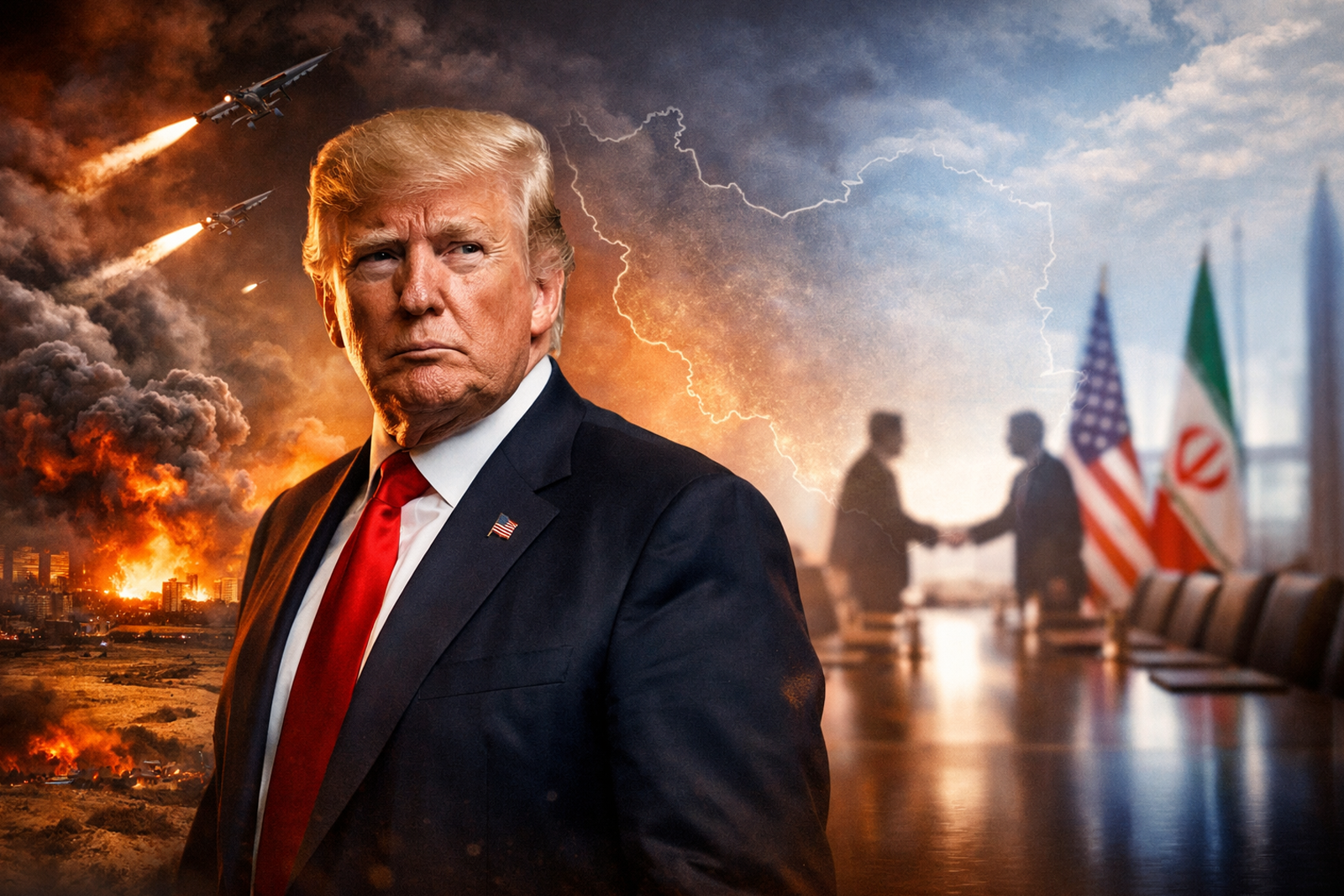
In a significant political move, former U.S. President Donald Trump has proposed a comprehensive 15-point framework aimed at ending the ongoing tensions between the United States and Iran. The plan reflects a mix of diplomatic outreach, economic pressure, and strategic de-escalation, signaling a shift toward conflict resolution.
At the core of the proposal is an immediate ceasefire, designed to halt ongoing hostilities and prevent further escalation in the volatile Middle East region. Trump’s approach emphasizes reopening diplomatic channels, including direct and indirect negotiations with Iranian leadership, to rebuild trust and establish a pathway toward long-term peace.
Economic incentives form another key pillar of the plan. The proposal suggests a phased easing of sanctions on Iran in exchange for verifiable commitments on nuclear restrictions and regional stability. This step is intended to encourage cooperation while maintaining leverage.
Additionally, the strategy highlights the importance of involving global stakeholders. Trump’s plan calls for the participation of major powers and regional allies to ensure transparency and accountability in the peace process. Security assurances for both sides, including safeguards against future military confrontations, are also central to the framework.
The proposal further outlines humanitarian measures, such as facilitating aid and supporting civilian infrastructure in affected areas. By addressing both political and humanitarian concerns, the plan aims to create a balanced and sustainable resolution.
While the effectiveness of the 15-point plan remains to be seen, it has already sparked debate among policymakers and analysts. Supporters view it as a pragmatic approach to de-escalation, while critics question its feasibility amid deep-rooted mistrust.
As tensions continue to unsettle global stability, former U.S. President Donald Trump has introduced a detailed 15-point roadmap aimed at ending the prolonged conflict involving Iran. The proposal combines diplomacy, economic strategy, and security assurances, presenting a structured attempt to de-escalate one of the world’s most sensitive geopolitical crises.
The plan begins with a call for an urgent ceasefire. This step is intended to stop active hostilities, reduce civilian casualties, and create space for negotiations without the pressure of ongoing violence.
Trump emphasizes restoring communication between Washington and Tehran. Direct talks, as well as backchannel diplomacy, are seen as critical to rebuilding trust after years of strained relations.
A gradual lifting of economic sanctions is proposed, contingent on Iran’s compliance with agreed conditions. This approach aims to balance pressure with incentives.
The framework includes stricter monitoring and limitations on Iran’s nuclear activities, ensuring that its program remains peaceful and transparent to the international community.
The plan calls for involvement from global organizations to monitor compliance. Independent verification is meant to build credibility and prevent violations.
Iran would be encouraged to reduce its involvement in regional conflicts. This step targets broader Middle East stability beyond bilateral tensions.
Both sides would receive assurances against future military aggression. These guarantees aim to lower the risk of sudden escalations.
Humanitarian gestures, such as the exchange of detained citizens, are included to foster goodwill and signal commitment to peace.
The proposal highlights the need to increase humanitarian assistance, particularly in areas impacted by conflict, ensuring civilians are not overlooked.
Trump’s plan suggests exploring trade and investment opportunities if relations improve, offering long-term economic benefits for Iran.
Given Iran’s role in global oil supply, the plan includes provisions to stabilize energy markets, reducing volatility caused by conflict.
Major international players would be invited to support and guarantee the agreement, adding weight and legitimacy to the process.
Both sides would scale down military presence in sensitive regions, lowering tensions and reducing the chances of accidental clashes.
Establishing direct military and political communication channels would help manage crises quickly and prevent misunderstandings.
Finally, the plan envisions a sustained dialogue mechanism to address future disputes, ensuring that peace is maintained beyond the initial agreement.
The 15-point proposal reflects a blend of hardline and conciliatory measures. By combining sanctions relief with strict oversight, Donald Trump attempts to create a balanced strategy that appeals to both security concerns and diplomatic goals. The inclusion of humanitarian and economic elements also signals a broader understanding of the conflict’s impact beyond politics.
The plan has generated mixed reactions across the international community. Supporters argue that it offers a structured and realistic pathway to de-escalation. Critics, however, point out that deep-rooted mistrust between the U.S. and Iran could hinder implementation. Questions also remain about enforcement, especially in areas like nuclear compliance and regional influence.
The ongoing tensions between the United States and Iran have remained one of the most closely watched geopolitical flashpoints in recent years. In this context, former U.S. President Donald Trump has introduced a detailed 15-point framework aimed at easing hostilities and opening a path toward long-term stability. While the proposal reflects familiar elements of Trump’s foreign policy style—firm pressure paired with negotiation—it also attempts to address the evolving complexities of the Middle East crisis.
At the heart of Trump’s plan lies a dual-track approach that combines economic pressure with diplomatic engagement. During his presidency, Trump relied heavily on sanctions to influence Iran’s behavior. This new proposal retains that leverage but introduces a more structured pathway for easing restrictions in exchange for measurable steps by Tehran. The idea is to create a system where both sides gain incrementally, reducing the risk of sudden breakdowns in talks.
By offering conditional incentives, the plan aims to shift the dynamic from confrontation to negotiation. However, this balance is delicate. Too much pressure could derail talks, while excessive concessions might weaken the United States’ bargaining position. The success of this approach depends largely on trust-building measures that have historically been difficult to sustain between the two nations.
A key element of the proposal is the revival of direct and indirect diplomatic channels. Over the years, communication between Washington and Tehran has been inconsistent, often limited to intermediaries. Trump’s framework suggests reopening these lines to ensure continuous dialogue, even during periods of tension.
Diplomatic engagement is not just about formal negotiations; it also includes backchannel discussions that can help resolve sensitive issues quietly. By promoting sustained communication, the plan seeks to reduce misunderstandings that could escalate into conflict. This aspect is particularly important in a region where miscalculations can quickly spiral into larger confrontations.
One of the central concerns in U.S.-Iran relations has been Iran’s nuclear program. Trump’s 15-point plan places significant emphasis on strengthening oversight mechanisms to ensure transparency. The proposal calls for enhanced monitoring systems and stricter compliance requirements, aiming to reassure the international community that Iran’s nuclear ambitions remain peaceful.
At the same time, the plan acknowledges Iran’s security concerns. By offering assurances against external threats, it attempts to create an environment where Tehran feels less compelled to pursue aggressive defense strategies. This dual focus on oversight and security reflects an effort to address the core issues driving the conflict.
Beyond bilateral relations, Trump’s proposal recognizes the broader impact of the conflict on the Middle East. Iran’s involvement in regional affairs has been a source of tension, and the plan encourages a reduction in such activities. By promoting de-escalation across multiple fronts, the framework aims to create a more stable regional environment.
This aspect of the plan is particularly significant because the Iran conflict cannot be viewed in isolation. It intersects with various regional dynamics, including alliances, rivalries, and ongoing conflicts. Addressing these interconnected issues is essential for achieving lasting peace.
Economic considerations play a crucial role in the proposed roadmap. The gradual lifting of sanctions is designed not only as a negotiation tool but also as a means of supporting Iran’s economic recovery. Improved economic conditions could, in theory, encourage more cooperative behavior from Tehran.
Additionally, the plan hints at the possibility of future economic collaboration, including trade and investment opportunities. Such initiatives could help integrate Iran more fully into the global economy, creating mutual benefits and reducing incentives for conflict. However, these outcomes depend on sustained compliance and a stable political environment.
Another notable feature of the proposal is its emphasis on humanitarian measures. Conflicts often have devastating effects on civilian populations, and Trump’s plan includes provisions for increased aid and support for affected communities. This focus highlights the human cost of geopolitical tensions and underscores the importance of addressing it.
Humanitarian initiatives can also serve as confidence-building measures. By prioritizing the well-being of civilians, both sides can demonstrate a commitment to peace that goes beyond political rhetoric. This approach may help create a more favorable environment for broader negotiations.
The potential impact of Trump’s plan extends beyond the immediate conflict. A successful resolution could contribute to greater stability in global energy markets, reduce the risk of military escalation, and strengthen international cooperation. Conversely, failure could exacerbate tensions and lead to further instability.
Global powers are likely to play a crucial role in shaping the outcome. Their support—or lack thereof—could influence the effectiveness of the proposed measures. As such, the plan’s success depends not only on U.S.-Iran relations but also on broader international dynamics.
Donald Trump’s 15-point plan represents a detailed and multifaceted attempt to address one of the most persistent conflicts in modern geopolitics. By combining economic incentives, diplomatic engagement, and security measures, the proposal seeks to create a balanced pathway toward peace with Iran.
While uncertainties remain, the framework adds a new dimension to ongoing discussions about conflict resolution in the Middle East. Whether it leads to meaningful progress or becomes another unrealized proposal will depend on the willingness of all parties to engage constructively and prioritize long-term stability over short-term gains.

In today’s world of endless choices and digital noise, marketing is no longer just about promoting products — it’s about creating meaningful connections. Successful brands focus on building relationships rather than chasing transactions. Marketing that connects transforms audiences into loyal communities by earning their trust, understanding their needs, and delivering genuine value. When businesses prioritize people over promotions, marketing becomes more than strategy — it becomes a relationship built to last.

Odisha’s small businesses are entering a new era — where mobile apps, online payments, and e-commerce aren’t luxuries, but lifelines for growth and survival.

As India enters the second phase of its digital revolution, artificial intelligence and automation are not just transforming industries—they’re redefining what it means to work, earn, and adapt.

The conference brought together officials from ten central districts, including district collectors, tehsildars, registrars, and welfare officers, either virtually or in person.

We glorified sleepless nights, burnout, and exhaustion as signs of ambition. But when did working yourself to the edge become the definition of success?

Not everyone who thrives in tech writes code. Some design the very experiences that make technology human.



Leave Comments