- Loading...
- Loading...



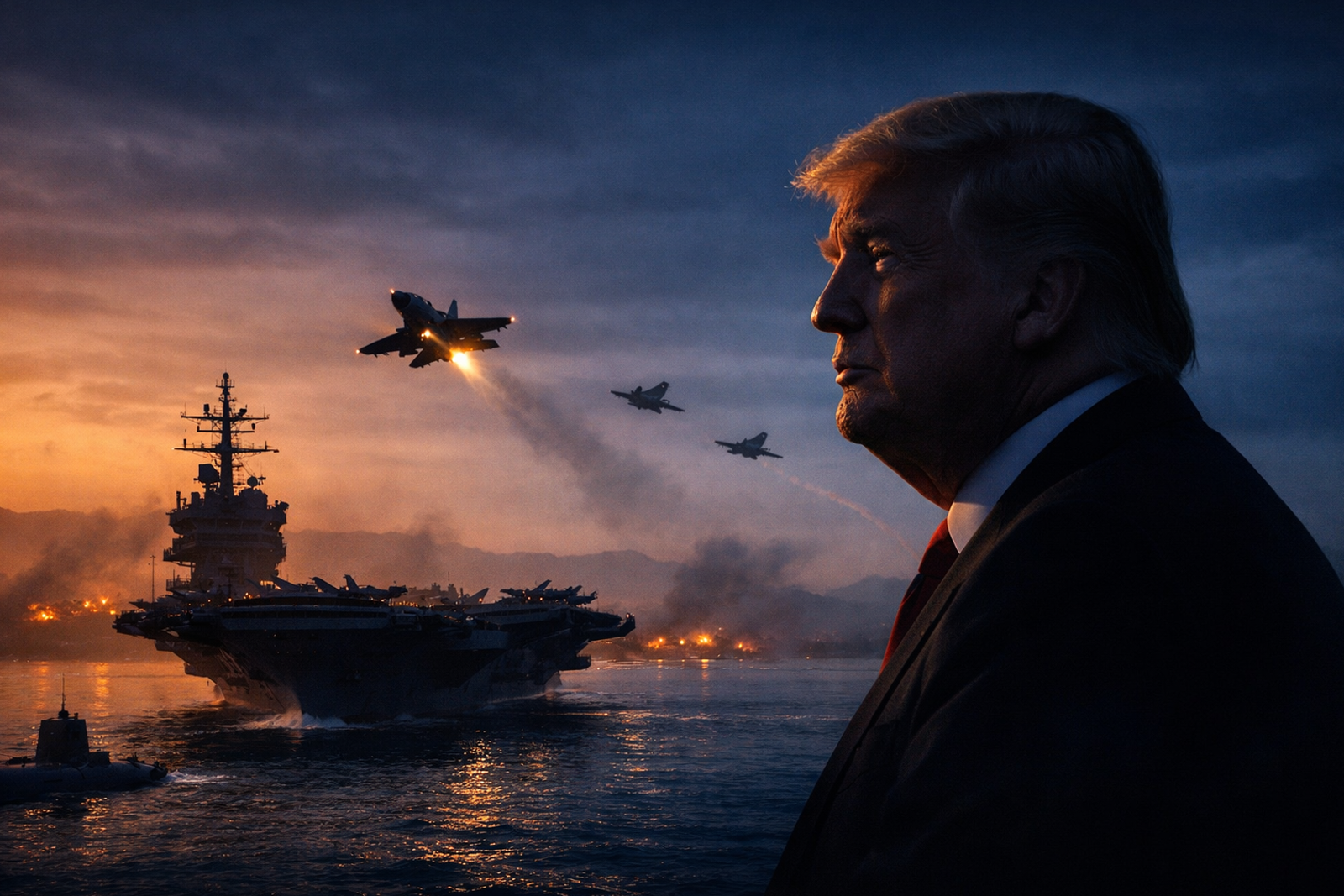
The Donald Trump has suggested that the United States could soon begin “winding down” its ongoing military operations in Iran, marking a potential turning point in a tense and closely watched geopolitical standoff. His remarks indicate that Washington may be reassessing its approach after a period of heightened military readiness and strategic pressure in the region.
The statement points to a broader effort to reduce direct confrontation while maintaining a position of strength. US officials appear to be weighing the costs of prolonged military engagement against the benefits of stabilizing the region through diplomatic channels. Analysts believe this could open the door for renewed negotiations, although challenges remain due to deep-rooted mistrust between the two nations.
Any reduction in US military activity could have a ripple effect across the Middle East, influencing energy markets, regional alliances, and security dynamics. Countries closely monitoring the situation may adjust their own strategies in response to a possible shift in US policy. The move may also ease concerns over disruptions in critical shipping routes and oil supplies.
Despite the signal toward de-escalation, officials have not outlined a clear timeline or detailed plan for withdrawal. Military readiness is expected to remain intact, ensuring that the US can respond quickly if tensions escalate again. For now, the world watches closely as Washington navigates a delicate balance between restraint and deterrence in one of the most volatile regions.
The Donald Trump has signaled that the United States is considering scaling back its military operations in Iran, a development that could reshape the trajectory of tensions in the Middle East. The statement comes after weeks of heightened alert, strategic positioning, and global concern over the possibility of a broader conflict. While no formal plan has been announced, the language used by leadership suggests a shift from aggressive posturing toward a more measured and calculated approach.
The US appears to be reassessing the long-term sustainability of direct military engagement.
Defense planners are evaluating operational costs, troop fatigue, and global commitments.
A drawdown does not necessarily mean a complete withdrawal, but rather a reduction in active operations.
Strategic assets may still remain in the region to ensure rapid response capability.
This shift reflects a broader recalibration of military priorities, especially as global dynamics continue to evolve.
Officials are increasingly signaling openness to diplomatic engagement.
Backchannel communications between Washington and Tehran may gain momentum.
International mediators could play a larger role in easing tensions.
A reduced military footprint may create space for negotiations to resume.
Diplomacy, once sidelined during periods of escalation, could again become a central tool in managing the crisis.
Neighboring countries are closely watching the US stance for signals of future policy.
A reduction in military pressure could lower the immediate risk of regional conflict.
However, power vacuums could emerge if security balances shift too quickly.
Allies in the region may need to reconsider their own defense strategies.
The Middle East remains a delicate geopolitical environment where even small changes can have far-reaching consequences.
Iran plays a crucial role in global energy dynamics.
Any de-escalation could stabilize oil prices and reduce market volatility.
Shipping routes, especially in strategic waterways, may face fewer disruptions.
Investors are likely to respond positively to signs of reduced conflict risk.
Global markets often react swiftly to geopolitical developments, making this shift particularly significant.
Despite talk of winding down, the US is unlikely to fully disengage.
Troops and equipment may be repositioned rather than withdrawn entirely.
Intelligence and surveillance operations will likely continue.
Rapid deployment capabilities will remain intact in case tensions flare again.
This ensures that while the visible presence may decrease, strategic preparedness remains strong.
Decisions around military operations often carry political implications at home.
Public opinion in the US has shown mixed reactions to prolonged overseas involvement.
A drawdown could be framed as fulfilling commitments to reduce foreign conflicts.
Leadership messaging will play a key role in shaping public perception.
Balancing international strategy with domestic expectations is a critical aspect of policymaking.
Iran may interpret the move as either a sign of easing pressure or strategic repositioning.
Tehran could respond with cautious optimism or maintain a guarded stance.
Regional proxies and alliances may adjust their behavior accordingly.
Any misinterpretation could still lead to renewed tensions.
The response from Iran will be crucial in determining whether this shift leads to lasting de-escalation.
International powers are likely to welcome any move that reduces conflict risk.
Allies of the US may seek reassurance about continued security commitments.
Rival nations could interpret the move as a strategic recalibration.
Multilateral organizations may push for renewed dialogue and cooperation.
The global stage remains interconnected, and such decisions rarely occur in isolation.
No official timeline for the drawdown has been confirmed.
The situation remains fluid, with policies subject to rapid change.
Both military and diplomatic developments will shape the next phase.
Observers expect a cautious, step-by-step approach rather than a sudden withdrawal.
The indication from Donald Trump that the United States may reduce its military operations in Iran highlights a pivotal moment in international relations. It reflects an attempt to balance strength with restraint, deterrence with diplomacy, and immediate security concerns with long-term stability.
While the path forward remains uncertain, this potential shift offers a glimpse into a strategy that prioritizes controlled de-escalation without compromising readiness. The coming weeks will be critical in determining whether this approach leads to a more stable regional environment or simply marks another phase in an ongoing geopolitical contest.

In today’s world of endless choices and digital noise, marketing is no longer just about promoting products — it’s about creating meaningful connections. Successful brands focus on building relationships rather than chasing transactions. Marketing that connects transforms audiences into loyal communities by earning their trust, understanding their needs, and delivering genuine value. When businesses prioritize people over promotions, marketing becomes more than strategy — it becomes a relationship built to last.

Odisha’s small businesses are entering a new era — where mobile apps, online payments, and e-commerce aren’t luxuries, but lifelines for growth and survival.

As India enters the second phase of its digital revolution, artificial intelligence and automation are not just transforming industries—they’re redefining what it means to work, earn, and adapt.

The conference brought together officials from ten central districts, including district collectors, tehsildars, registrars, and welfare officers, either virtually or in person.

We glorified sleepless nights, burnout, and exhaustion as signs of ambition. But when did working yourself to the edge become the definition of success?

Not everyone who thrives in tech writes code. Some design the very experiences that make technology human.



Leave Comments