- Loading...
- Loading...



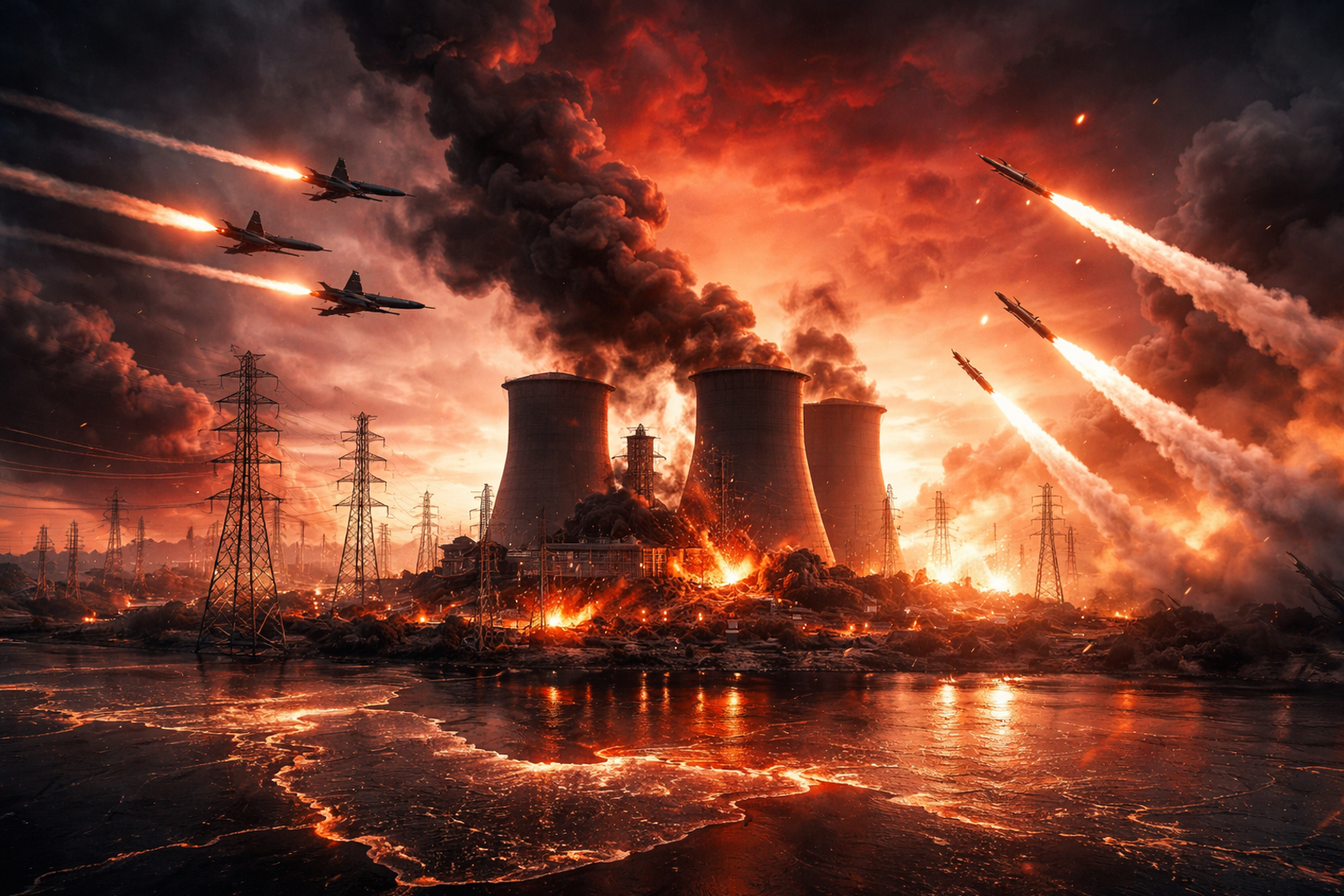
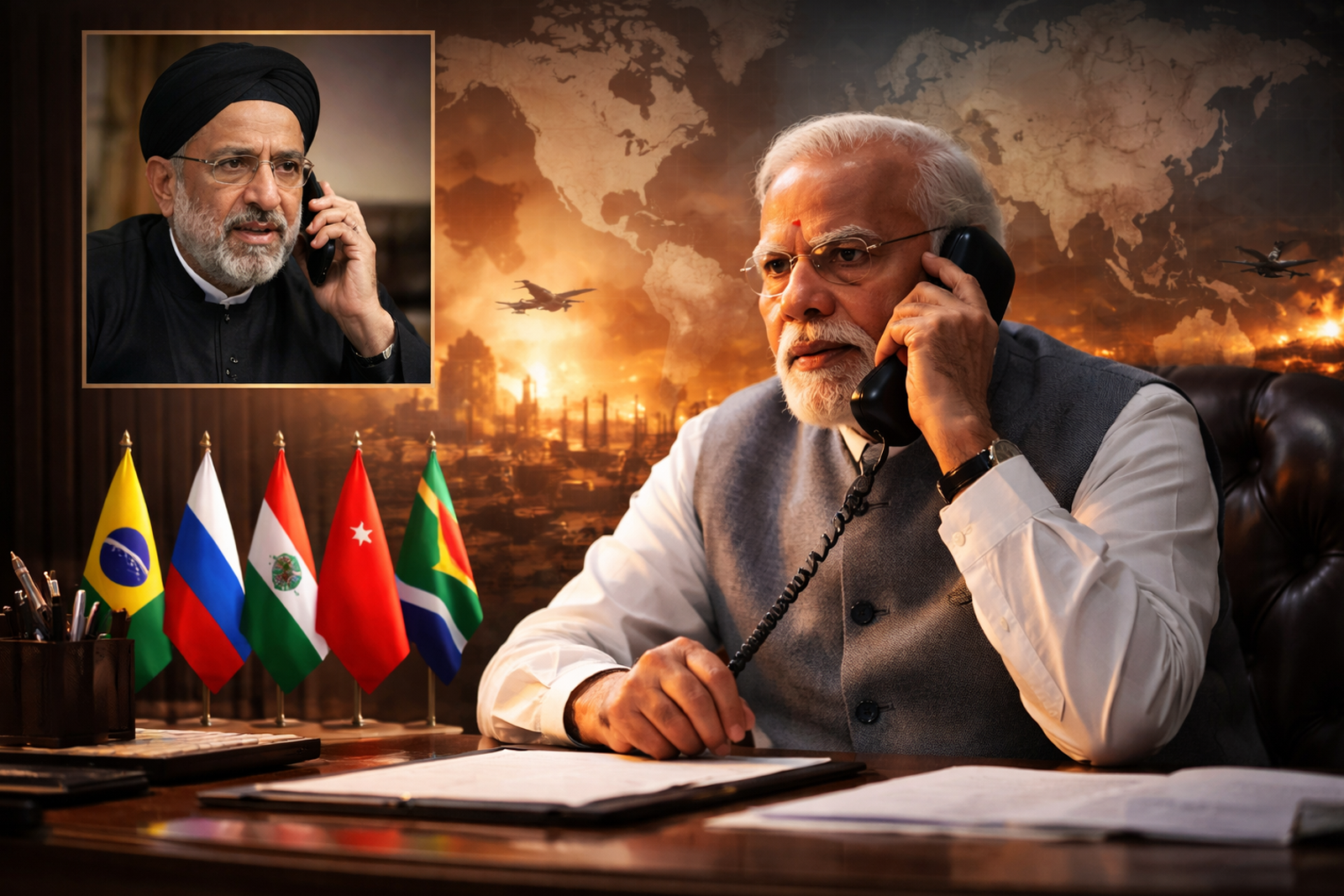
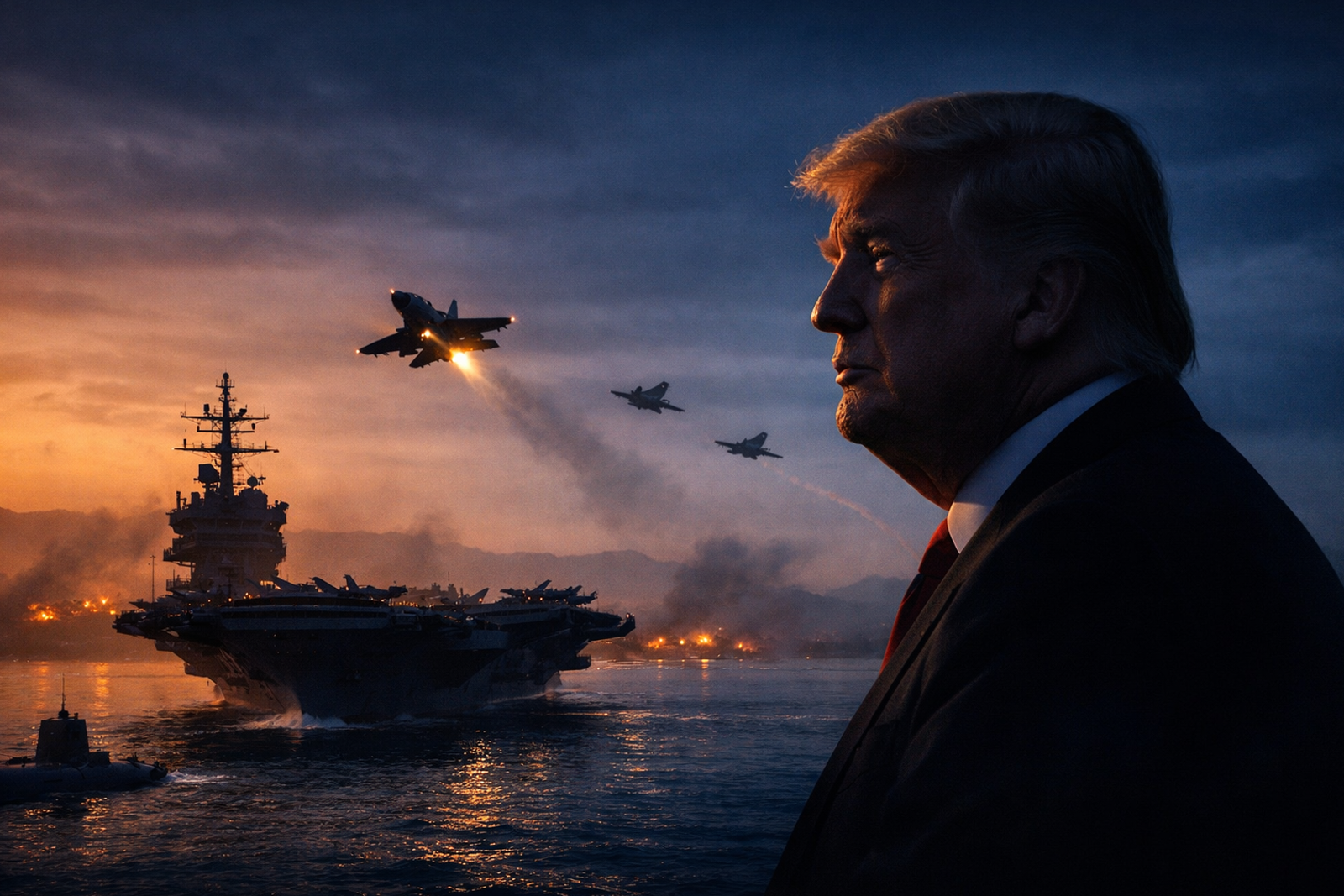
Amid a sharp escalation of hostilities across the Middle East, Iran’s president has strongly criticized alleged threats by the United States targeting critical power infrastructure, calling them a “sign of desperation.” The remarks come at a time when military activity in the region is intensifying, raising fears of a wider and more dangerous conflict.
According to Iranian officials, any attempt to strike civilian infrastructure such as power plants would mark a serious violation of international norms. Tehran has warned that such actions could provoke severe consequences, further destabilizing an already volatile region. The statement reflects growing frustration within Iran as it faces mounting pressure from ongoing military developments and geopolitical tensions.
Meanwhile, reports indicate that strikes and counter-strikes are continuing across multiple fronts in the Middle East. Analysts believe that rhetoric from both sides is becoming increasingly aggressive, reducing the likelihood of immediate diplomatic resolution.
The United States has not officially confirmed the alleged threats, but it has maintained that its actions in the region are aimed at protecting strategic interests and ensuring regional stability. However, Iran argues that such justifications are merely a cover for escalating military involvement.
As the crisis unfolds, concerns are rising among international observers about the potential for unintended escalation. Calls for restraint and dialogue have grown louder, with several nations urging both sides to de-escalate tensions and avoid actions that could lead to a broader confrontation.
The coming days are expected to be critical, as diplomatic channels remain under strain and the risk of further escalation continues to loom over the region.
The geopolitical climate in the Middle East has taken a sharper turn as Iran’s president publicly condemned alleged threats from the United States targeting power infrastructure. Labeling such warnings as “desperate,” Tehran signaled that any move against civilian facilities would cross a dangerous line and could trigger wider consequences. The remarks come amid an already volatile situation marked by ongoing strikes, counter-strikes, and growing mistrust between regional and global powers.
Iran’s leadership has positioned itself firmly against what it describes as aggressive posturing by Washington. Officials argue that targeting essential infrastructure, especially facilities that serve civilian populations, would not only violate international law but also deepen humanitarian risks in the region. The warning reflects Iran’s broader stance that the current escalation is being driven by external pressure rather than internal instability.
1. Escalating Military Activity
Recent days have witnessed an increase in military operations across multiple areas in the Middle East. Airstrikes, drone activity, and heightened troop readiness have contributed to a tense and unpredictable environment. While exact details remain contested, it is clear that the frequency and intensity of engagements are rising.
2. Rising War of Words
Alongside physical conflict, rhetoric between Iran and the United States has intensified. Statements from both sides have grown sharper, with accusations and warnings dominating official communications. This verbal escalation is further reducing the space for diplomatic engagement.
3. Concerns Over Civilian Infrastructure
Iran’s strong reaction centers on the reported targeting of power plants. Such facilities are vital for everyday life, supporting hospitals, water systems, and communication networks. Any disruption could have far-reaching humanitarian consequences, making the issue particularly sensitive.
4. International Reactions
Global powers and international organizations have expressed concern over the unfolding situation. Many have called for restraint, emphasizing the importance of protecting civilians and maintaining stability in a region already burdened by conflict.
The current tensions are not occurring in isolation. The Middle East has long been a focal point of geopolitical rivalry, and the present developments risk pulling multiple actors into a broader confrontation. Iran’s warning suggests that it is prepared to respond strongly if its red lines are crossed, raising the stakes for all involved parties.
From a strategic perspective, the targeting of infrastructure could mark a shift in how conflicts in the region are conducted. Rather than focusing solely on military assets, there appears to be a growing risk of indirect pressure tactics aimed at weakening an opponent’s internal stability. This approach, however, carries significant risks, particularly in terms of civilian impact and international backlash.
The Middle East plays a crucial role in global energy supply, and any escalation in conflict has immediate economic implications. Threats to power infrastructure, along with ongoing strikes, have already raised concerns about disruptions in energy production and distribution.
Oil and Gas Markets: Instability in the region often leads to fluctuations in global oil prices. Investors and governments alike are closely watching developments for signs of supply disruptions.
Regional Economies: Countries in the region may face economic strain as resources are diverted toward defense and security.
Global Impact: Prolonged conflict could have ripple effects on international trade and economic stability.
Efforts to de-escalate the situation face significant obstacles. Trust between the involved parties is extremely low, and previous diplomatic frameworks have either stalled or collapsed. While some countries are attempting to mediate, progress has been slow.
Key challenges include:
Lack of Direct Dialogue: Communication channels between Iran and the United States remain limited.
Conflicting Interests: Each side has strategic goals that are difficult to reconcile.
Regional Complexity: Multiple countries and non-state actors are involved, making negotiations more complicated.
Despite these hurdles, diplomatic engagement remains the most viable path to preventing further escalation. International actors continue to emphasize the need for dialogue, even as tensions remain high.
One of the most pressing concerns is the potential impact on civilians. Infrastructure such as power plants is essential for basic services, and any damage could lead to widespread hardship.
Healthcare Systems: Hospitals rely on stable electricity supplies to function effectively.
Water and Sanitation: Power disruptions can affect water treatment and distribution.
Daily Life: Ordinary citizens may face blackouts, communication breakdowns, and economic hardship.
Humanitarian organizations have warned that even limited strikes on infrastructure could have long-term consequences, particularly in areas already facing instability.
The coming days and weeks are likely to be critical in determining the direction of the conflict. Several scenarios are possible:
Further Escalation: Continued strikes and aggressive rhetoric could push the situation toward a broader regional conflict.
Controlled Tensions: Both sides may choose to limit their actions, avoiding direct confrontation while maintaining pressure.
Renewed Diplomacy: International mediation efforts could lead to a temporary easing of tensions, though a lasting resolution would remain uncertain.
Much will depend on how both Iran and the United States interpret each other’s actions and signals. Miscalculations or misunderstandings could quickly escalate the situation beyond control.
Iran’s strong condemnation of alleged U.S. threats against power infrastructure highlights the growing seriousness of the current crisis. As military activity intensifies and rhetoric hardens, the risk of a broader conflict becomes increasingly real. The situation underscores the fragile balance in the Middle East, where even a single development can have far-reaching consequences.
With global attention focused on the region, the need for restraint and diplomacy has never been more urgent. Whether the involved parties choose escalation or engagement will shape not only the future of the Middle East but also the stability of the wider international order.

In today’s world of endless choices and digital noise, marketing is no longer just about promoting products — it’s about creating meaningful connections. Successful brands focus on building relationships rather than chasing transactions. Marketing that connects transforms audiences into loyal communities by earning their trust, understanding their needs, and delivering genuine value. When businesses prioritize people over promotions, marketing becomes more than strategy — it becomes a relationship built to last.

Odisha’s small businesses are entering a new era — where mobile apps, online payments, and e-commerce aren’t luxuries, but lifelines for growth and survival.

As India enters the second phase of its digital revolution, artificial intelligence and automation are not just transforming industries—they’re redefining what it means to work, earn, and adapt.

The conference brought together officials from ten central districts, including district collectors, tehsildars, registrars, and welfare officers, either virtually or in person.

We glorified sleepless nights, burnout, and exhaustion as signs of ambition. But when did working yourself to the edge become the definition of success?

Not everyone who thrives in tech writes code. Some design the very experiences that make technology human.

Leave Comments