- Loading...
- Loading...



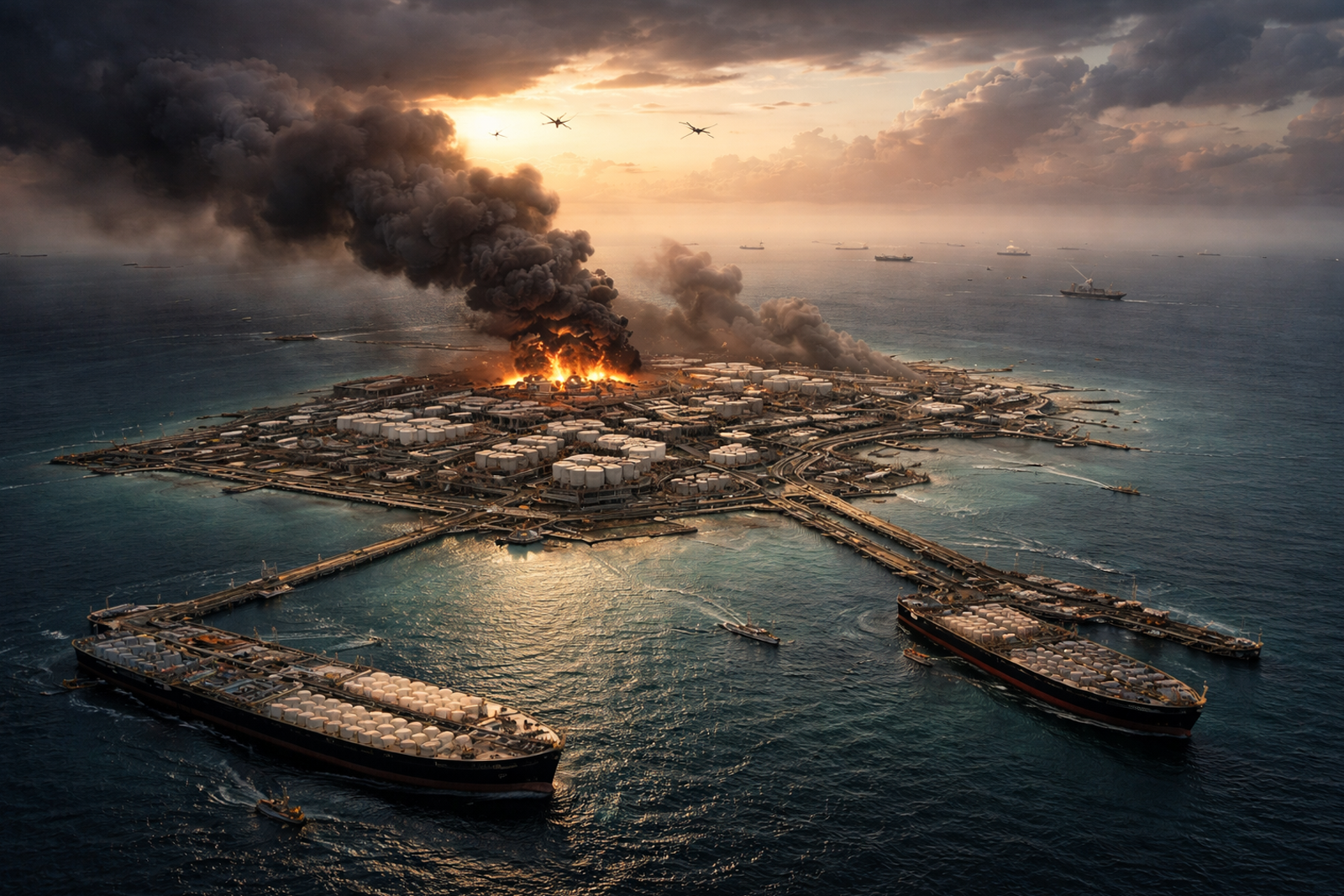
Tensions in the Gulf region intensified after reports of an attack near Kharg Island, a critical facility responsible for handling the majority of Iran’s crude oil exports. The island plays a vital role in the country’s energy infrastructure, serving as a major loading point for tankers carrying oil to international markets. Any disturbance in this area has the potential to affect global oil supply chains and trigger volatility in energy prices.
The developments have caused concern in China, one of the world’s largest importers of crude oil. A significant portion of China’s energy imports comes from the Middle East, including shipments from Iran and nearby producers. Policymakers in Beijing are closely monitoring the situation, as disruptions near Kharg Island could affect the steady flow of oil needed to sustain the country’s industrial and economic activity.
The attack has also highlighted the vulnerability of key maritime routes in the Gulf. Oil shipments leaving Kharg Island often pass through the strategically important Strait of Hormuz, a narrow waterway through which a large share of the world’s petroleum exports travel. Any escalation of conflict in this corridor could raise shipping risks, increase insurance costs for tankers, and cause a spike in international oil prices.
Energy analysts warn that even limited attacks on oil infrastructure can send shockwaves through global markets. For China, which depends on reliable energy imports to power its manufacturing and transportation sectors, instability in the Gulf region represents a serious economic concern. As geopolitical tensions remain high, governments and investors alike are watching the situation carefully to assess how it might reshape energy security and trade flows in the months ahead.
Recent tensions in the Gulf region have intensified following reports of an attack near Kharg Island, one of the most critical oil export facilities in Iran. The island has long served as the backbone of Iran’s oil shipping infrastructure, handling a major share of the country’s crude exports to international markets. Any disruption in this area has the potential to trigger ripple effects across the global energy system.
The incident has drawn particular attention in China, the world’s largest crude oil importer, which relies heavily on energy supplies from the Middle East. Policymakers in Beijing are closely assessing the situation, as instability around Kharg Island could threaten vital energy shipments and influence global oil prices.
Kharg Island is widely regarded as the central hub of Iran’s oil export operations. Located in the Persian Gulf, the island hosts large storage tanks, loading terminals, and port facilities designed to handle massive oil tankers.
Key reasons why Kharg Island is strategically important include:
Primary export terminal: A majority of Iran’s crude oil shipments are loaded here before being transported worldwide.
Storage infrastructure: The island contains extensive oil storage facilities capable of holding millions of barrels.
Global distribution point: Tankers departing from Kharg Island supply oil to markets in Asia, Europe, and other regions.
Because of this concentration of infrastructure, any attack or disruption in the area can significantly reduce export capacity and shake global energy markets.
The developments near Kharg Island have sparked concern in China due to the country’s strong dependence on imported oil. As the world’s largest energy consumer, China must secure stable supply routes to maintain its economic growth and industrial production.
Several factors explain Beijing’s heightened attention:
Energy dependency: China imports a large share of its crude oil from Middle Eastern suppliers.
Industrial demand: Manufacturing, transportation, and power generation sectors require a constant flow of energy.
Economic stability: Sudden increases in oil prices could affect production costs and consumer markets.
Officials and analysts in Beijing are therefore monitoring the situation carefully, recognizing that prolonged instability could threaten long-term energy security.
Oil shipments leaving Kharg Island usually travel through the strategically critical Strait of Hormuz before entering international waters. This narrow maritime corridor is one of the most important oil transit points in the world.
The Strait of Hormuz plays a major role in global trade because:
Nearly one-fifth of the world’s oil supply passes through it.
It connects Persian Gulf producers with major markets in Asia and beyond.
Any security threat in the area can disrupt tanker movements and shipping schedules.
If tensions escalate near the Strait of Hormuz, shipping companies may face higher insurance premiums and security risks, which can push up global oil prices and slow down supply chains.
Energy markets tend to react quickly to geopolitical tensions involving major oil producers. Even the possibility of infrastructure damage or shipping disruptions can influence oil prices on international exchanges.
Possible market impacts include:
Price volatility: Traders may anticipate supply shortages and drive prices upward.
Increased shipping costs: Tanker operators may charge higher fees due to risk factors.
Supply uncertainty: Countries dependent on imports could face temporary shortages or delayed deliveries.
For China and other large importing nations, such developments create uncertainty in planning energy purchases and maintaining stable reserves.
Beyond energy markets, the incident also carries broader geopolitical significance. The Persian Gulf has long been a sensitive region due to the presence of major oil reserves and key shipping routes. Any military or security incident in the area can quickly attract international attention.
Some possible geopolitical consequences include:
Heightened regional tensions between rival powers in the Gulf.
Increased naval presence from countries seeking to secure shipping routes.
Diplomatic efforts aimed at preventing further escalation.
Major economies, including China, the United States, and European nations, have strong interests in maintaining stability in the region because global trade depends heavily on uninterrupted energy flows.
The Kharg Island incident also highlights China’s long-term strategy to diversify its energy sources. While Middle Eastern oil remains essential, Beijing has been investing in alternative supply routes and partnerships to reduce dependency on any single region.
China’s strategy includes:
Expanding energy imports from countries in Central Asia and Russia.
Investing in overseas energy infrastructure and pipelines.
Increasing the use of renewable energy and domestic production.
These measures aim to protect China’s economy from sudden geopolitical shocks that could threaten energy supplies.
The latest developments near Kharg Island have reminded governments and investors of how vulnerable global energy systems can be. Even isolated incidents around key infrastructure can disrupt supply chains that stretch across continents.
Countries around the world are therefore watching the situation closely for several reasons:
Ensuring stable oil supplies for domestic markets.
Protecting maritime trade routes in the Persian Gulf.
Preventing escalation that could affect international security.
For global markets, maintaining stability in the Gulf remains essential to ensuring predictable energy prices and uninterrupted trade.
The reported attack near Kharg Island has underscored the fragile balance that supports global energy supply networks. As one of Iran’s most important export terminals, any disruption there can quickly influence international oil markets and geopolitical dynamics.
For China, whose economic engine relies heavily on imported energy, the situation is particularly significant. Leaders in Beijing will continue monitoring developments in the Gulf region while strengthening strategies designed to protect long-term energy security.
Ultimately, the incident serves as a reminder that the stability of a single oil hub in the Persian Gulf can have far-reaching consequences for economies and markets across the world.

In today’s world of endless choices and digital noise, marketing is no longer just about promoting products — it’s about creating meaningful connections. Successful brands focus on building relationships rather than chasing transactions. Marketing that connects transforms audiences into loyal communities by earning their trust, understanding their needs, and delivering genuine value. When businesses prioritize people over promotions, marketing becomes more than strategy — it becomes a relationship built to last.

Odisha’s small businesses are entering a new era — where mobile apps, online payments, and e-commerce aren’t luxuries, but lifelines for growth and survival.

As India enters the second phase of its digital revolution, artificial intelligence and automation are not just transforming industries—they’re redefining what it means to work, earn, and adapt.

The conference brought together officials from ten central districts, including district collectors, tehsildars, registrars, and welfare officers, either virtually or in person.

We glorified sleepless nights, burnout, and exhaustion as signs of ambition. But when did working yourself to the edge become the definition of success?

Not everyone who thrives in tech writes code. Some design the very experiences that make technology human.





Leave Comments