- Loading...
- Loading...



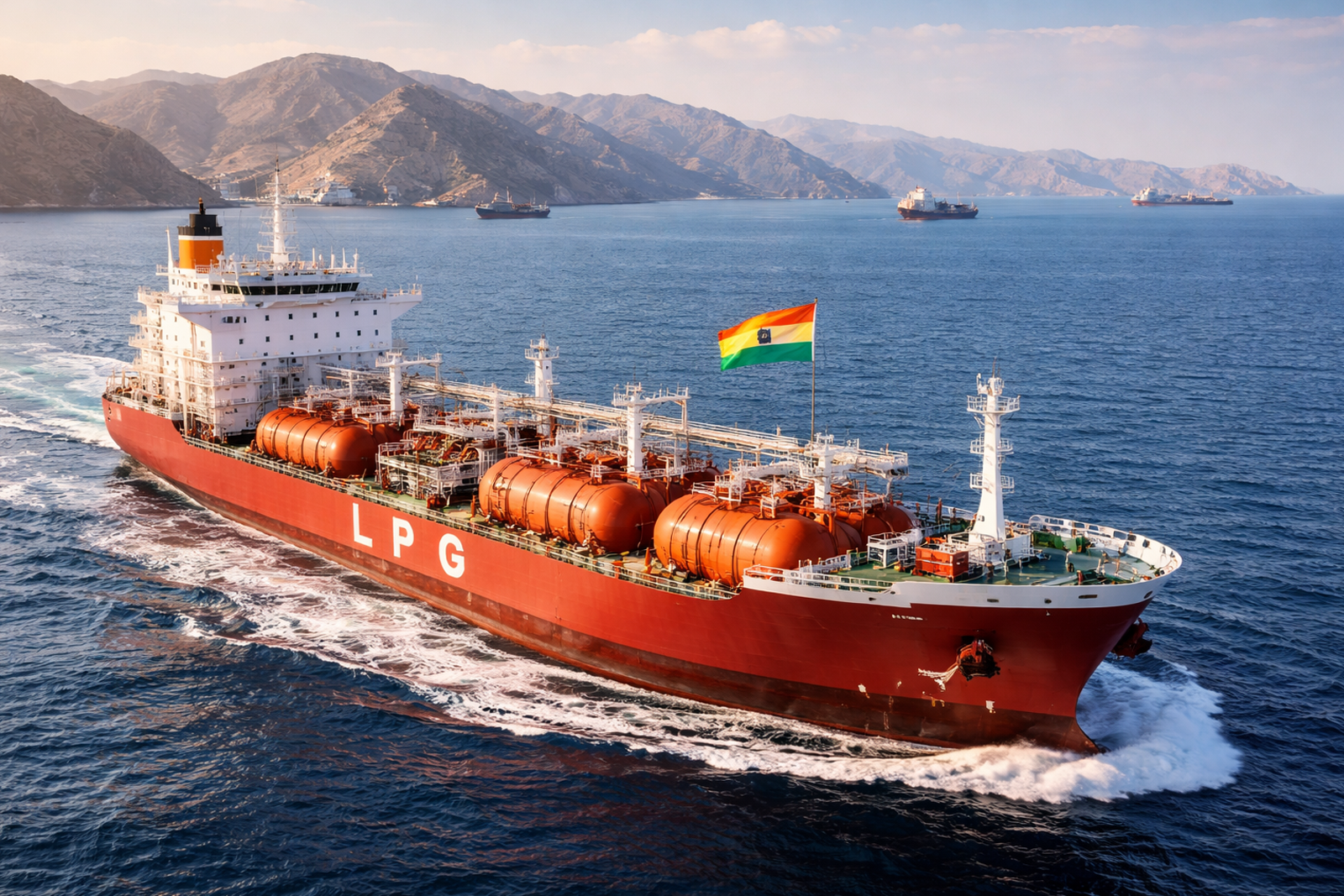
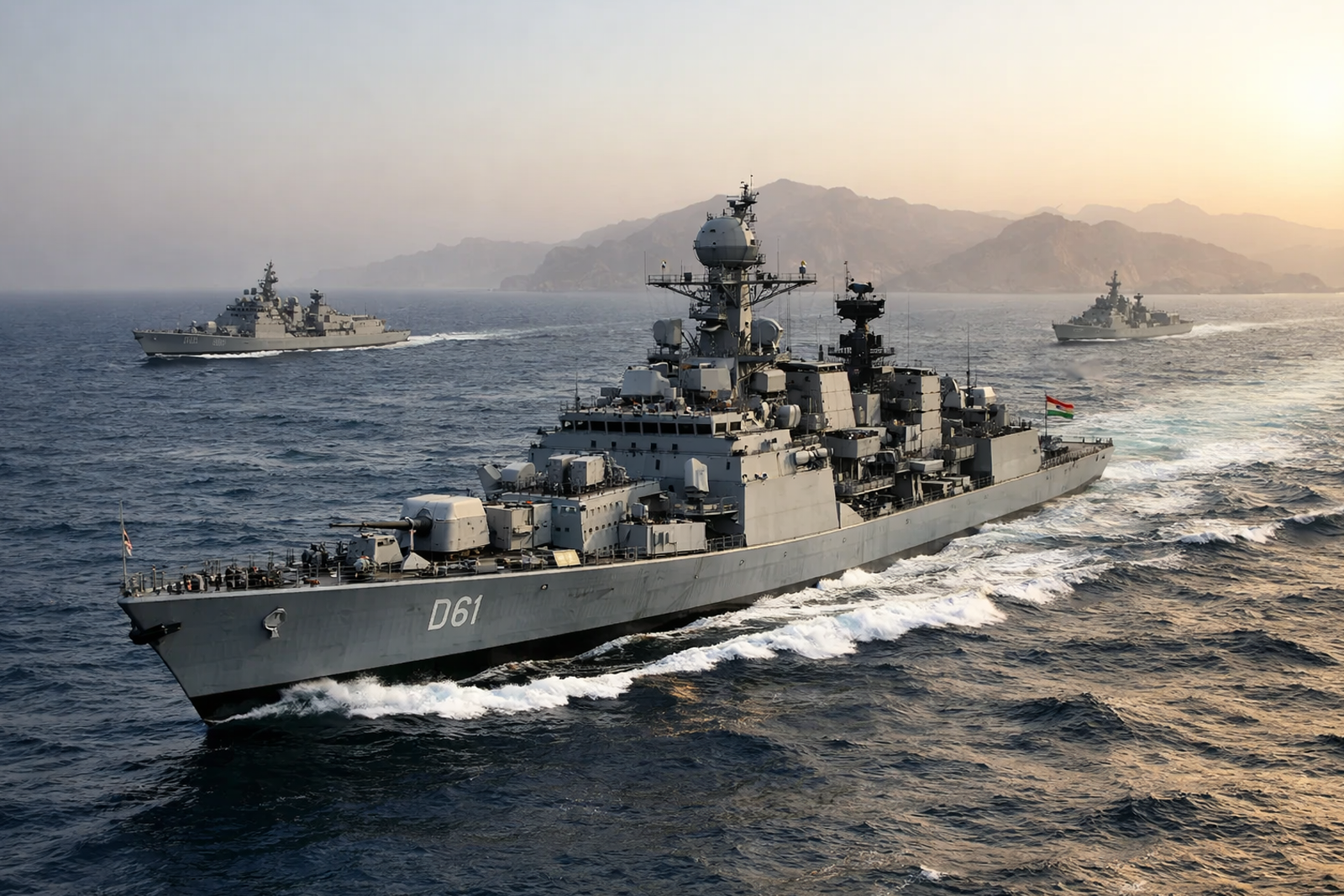
An Indian liquefied petroleum gas (LPG) carrier has successfully crossed the strategic Strait of Hormuz, according to maritime tracking data from MarineTraffic. The development has brought a measure of reassurance to energy markets and Indian importers who have been closely watching the movement of fuel shipments through the sensitive Gulf route.
The narrow maritime passage connecting the Persian Gulf to the Gulf of Oman is considered one of the world’s most critical energy corridors. A large share of global oil and gas shipments travel through the strait every day, making any disruption in the region a potential threat to international energy supply chains.
Recent geopolitical tensions in the Middle East had raised concerns among shipping companies and importing countries about possible delays or disruptions. India, one of the largest consumers of LPG, relies heavily on imports from Gulf nations to meet domestic demand. As a result, the safe passage of LPG carriers through the strait is vital for maintaining stable supplies for households and industries.
Shipping data showed that the Indian-bound vessel continued its journey after crossing the strait without any reported incidents. Maritime analysts say the smooth transit highlights the continued functioning of global energy routes despite heightened security monitoring in the region.
Energy experts note that India has been strengthening its supply network by diversifying sources and improving storage infrastructure to reduce risks associated with international shipping routes. However, the Strait of Hormuz remains a key gateway for energy shipments destined for the country.
Officials and market observers will continue to monitor tanker movements in the area, as the safe navigation of vessels through this critical chokepoint plays an essential role in ensuring consistent LPG availability for millions of consumers in India.
An Indian liquefied petroleum gas (LPG) carrier has safely navigated the strategic Strait of Hormuz, according to maritime tracking information provided by MarineTraffic. The development comes at a time when global attention is focused on the Middle East due to heightened geopolitical tensions and concerns about the safety of crucial energy shipping lanes.
The successful transit of the vessel through the narrow waterway is seen as an encouraging sign for energy-importing countries like India, which depend heavily on LPG shipments from Gulf nations to meet domestic demand. The Strait of Hormuz serves as a gateway for a significant portion of the world’s oil and gas trade, making any activity in the area closely monitored by governments, shipping companies, and energy markets.
Below is a detailed overview of the significance of the event and its implications for global and Indian energy supplies.
Key points about the route include:
It connects the Persian Gulf with the Gulf of Oman and the Arabian Sea.
A major share of the world’s crude oil and liquefied petroleum gas passes through this channel every day.
Several major oil-exporting countries rely on this route to transport energy resources to Asia, Europe, and other regions.
Even minor disruptions in the strait can influence global fuel prices and supply chains.
Because of its strategic location, the strait has long been considered a sensitive geopolitical zone.
The successful passage of the Indian LPG vessel carries importance beyond a single shipment.
Reasons this transit is significant include:
It reassures energy markets that shipping operations remain functional.
It indicates that commercial vessels are still able to navigate the route safely.
It helps maintain confidence among importing nations that supply lines remain open.
It reduces immediate fears of supply shortages.
For India in particular, LPG imports play a vital role in supporting household cooking fuel and industrial usage.
Over the past decade, India has significantly expanded the use of LPG across both urban and rural areas.
Major factors behind this growth include:
Government initiatives encouraging cleaner cooking fuels.
Rising population and increasing household demand.
Expansion of distribution networks across rural regions.
Industrial and commercial usage of LPG.
Because domestic production alone cannot meet the demand, India imports a large share of its LPG requirements from Middle Eastern suppliers.
The smooth passage of tankers through international shipping routes therefore plays a crucial role in maintaining supply stability.
The movement of the vessel was tracked through data provided by MarineTraffic, a widely used maritime intelligence platform.
Marine tracking systems provide several advantages:
Real-time monitoring of global shipping routes.
Increased transparency in maritime logistics.
Improved safety and coordination for shipping companies.
Early warning of potential disruptions in trade routes.
Shipping analysts often rely on such platforms to track the movement of oil and gas tankers, especially during periods of geopolitical uncertainty.
The Middle East has experienced periods of tension in recent months, prompting increased attention toward shipping activities in the region.
Concerns often raised during such periods include:
Potential disruption of oil and gas transport routes.
Increased insurance costs for commercial vessels.
Security risks for tankers moving through sensitive waters.
Possible effects on global energy prices.
Despite these concerns, the continued movement of vessels through the Strait of Hormuz suggests that international shipping operations remain active.
The safe passage of LPG and oil tankers is closely tied to the stability of global energy markets.
Positive impacts of uninterrupted shipping include:
Stable supply of fuel to importing countries.
Reduced volatility in international energy prices.
Improved confidence among traders and investors.
Smooth functioning of global energy supply chains.
For countries that depend on imported fuel, maintaining open sea routes is essential for economic stability.
Recognizing the importance of reliable imports, India has taken several steps in recent years to strengthen its energy security.
These measures include:
Diversifying energy import sources beyond the Gulf region.
Expanding LPG storage and distribution infrastructure.
Encouraging domestic energy production where possible.
Strengthening strategic petroleum reserves.
Such initiatives aim to reduce risks associated with disruptions in international shipping routes.
While the safe crossing of the LPG carrier is a positive development, shipping movements through the Strait of Hormuz will continue to be monitored closely.
Future expectations include:
Continued security monitoring in the region.
Close observation of tanker traffic by energy markets.
Strategic planning by importing countries to secure supply chains.
Cooperation between maritime authorities to maintain safe navigation.
As long as vessels continue to pass through the strait without disruption, global energy markets are likely to remain stable.
The successful transit of an Indian LPG carrier through the Strait of Hormuz provides reassurance at a time when geopolitical uncertainties have raised questions about the safety of global energy supply routes. With India’s growing reliance on imported LPG and the strait’s importance as a major shipping corridor, the safe movement of vessels through this narrow passage remains critical.
Energy analysts and policymakers will continue to monitor developments in the region, as maintaining uninterrupted maritime trade is essential for ensuring steady fuel supplies and global economic stability.

In today’s world of endless choices and digital noise, marketing is no longer just about promoting products — it’s about creating meaningful connections. Successful brands focus on building relationships rather than chasing transactions. Marketing that connects transforms audiences into loyal communities by earning their trust, understanding their needs, and delivering genuine value. When businesses prioritize people over promotions, marketing becomes more than strategy — it becomes a relationship built to last.
Odisha’s small businesses are entering a new era — where mobile apps, online payments, and e-commerce aren’t luxuries, but lifelines for growth and survival.

As India enters the second phase of its digital revolution, artificial intelligence and automation are not just transforming industries—they’re redefining what it means to work, earn, and adapt.

The conference brought together officials from ten central districts, including district collectors, tehsildars, registrars, and welfare officers, either virtually or in person.

We glorified sleepless nights, burnout, and exhaustion as signs of ambition. But when did working yourself to the edge become the definition of success?

Not everyone who thrives in tech writes code. Some design the very experiences that make technology human.



Leave Comments