- Loading...
- Loading...


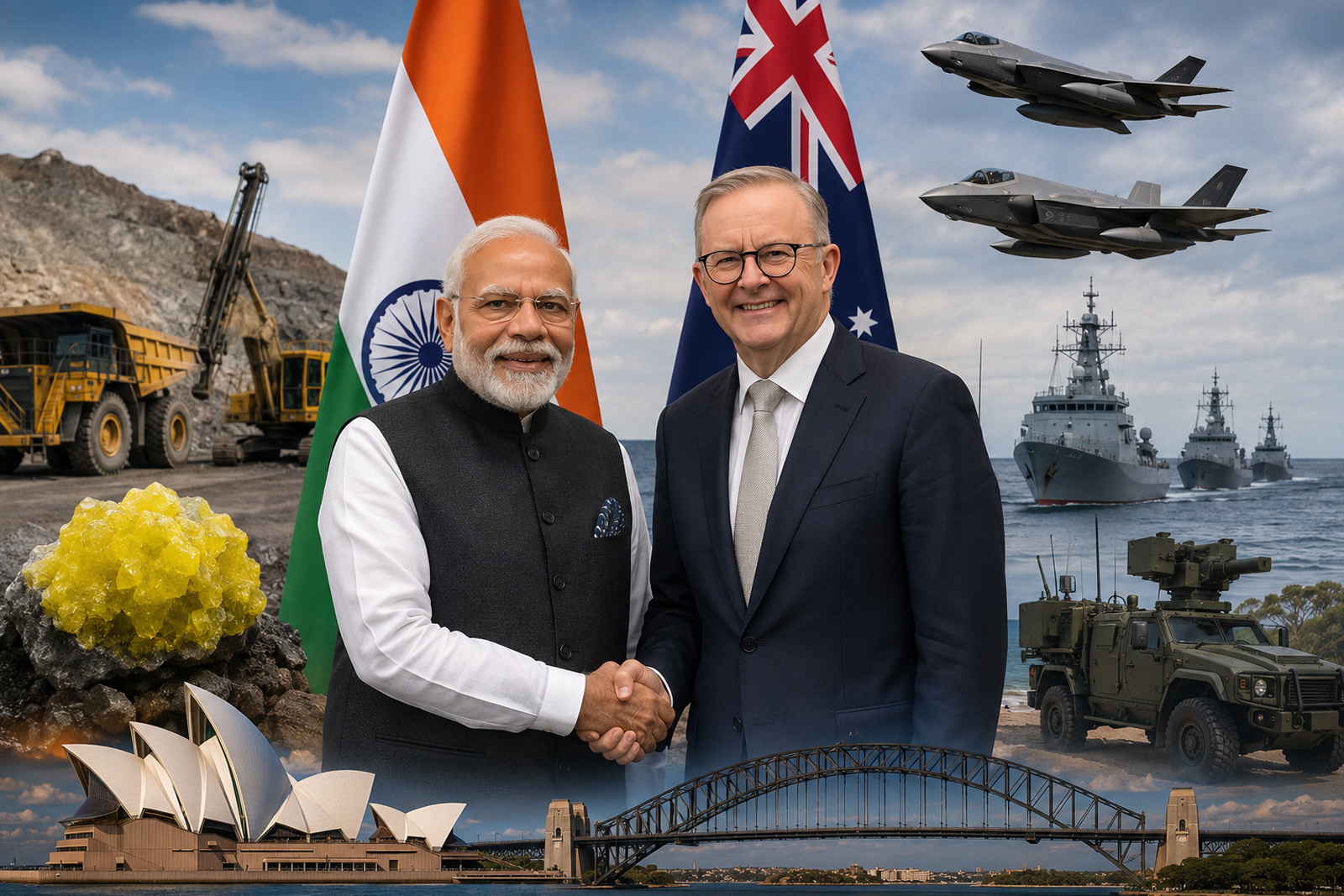
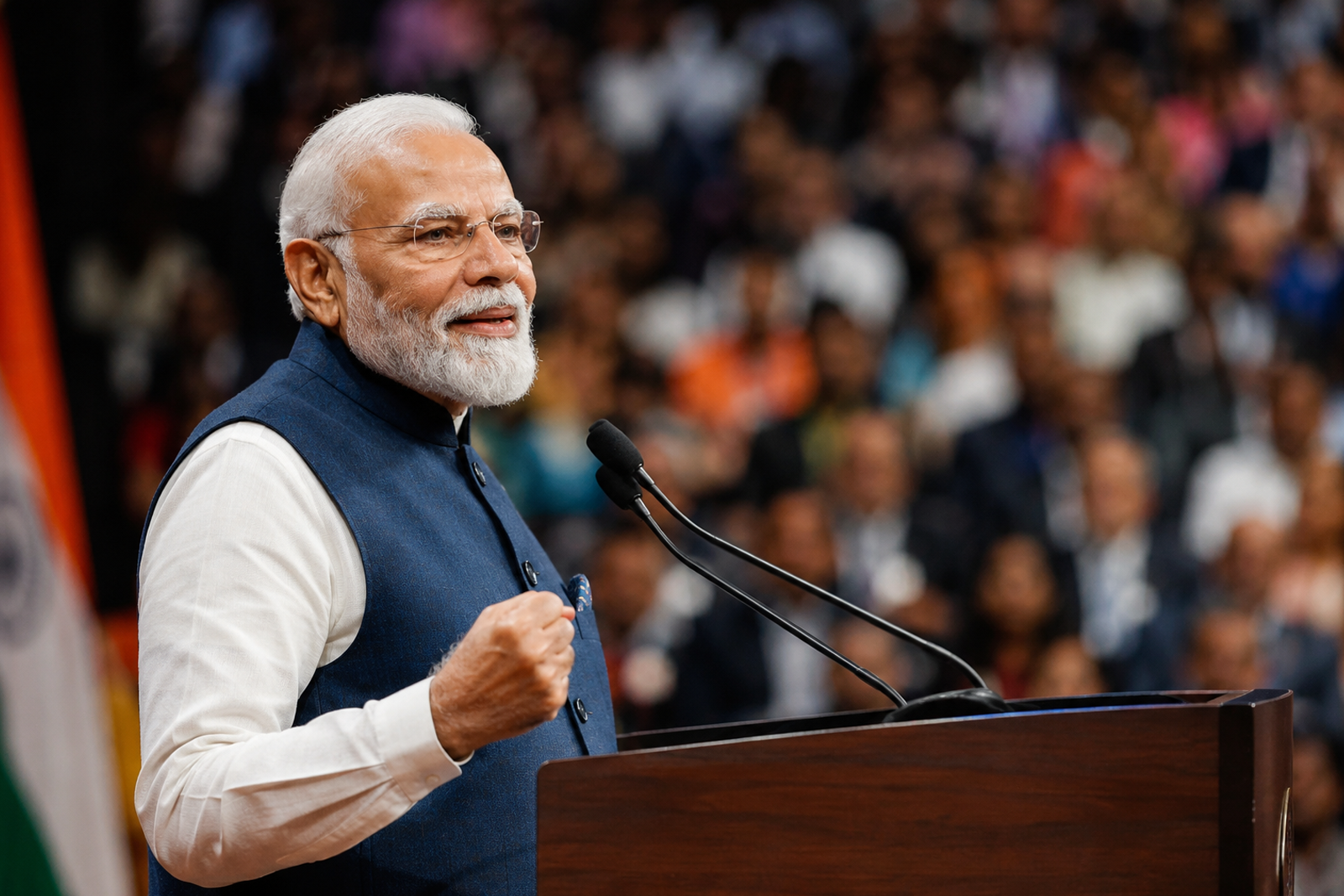
Introline: Prime Minister Narendra Modi’s Australia visit is expected to mark another significant step in strengthening bilateral relations, with both countries set to discuss cooperation in energy, defence, trade, and regional security.
India and Australia are preparing to elevate their partnership through high-level discussions during Prime Minister Narendra Modi’s visit. The meeting is expected to focus on strengthening collaboration across multiple sectors, reflecting the growing trust between the two Indo-Pacific nations. Over the past few years, both countries have expanded cooperation in defence, technology, education, critical minerals, and economic development.
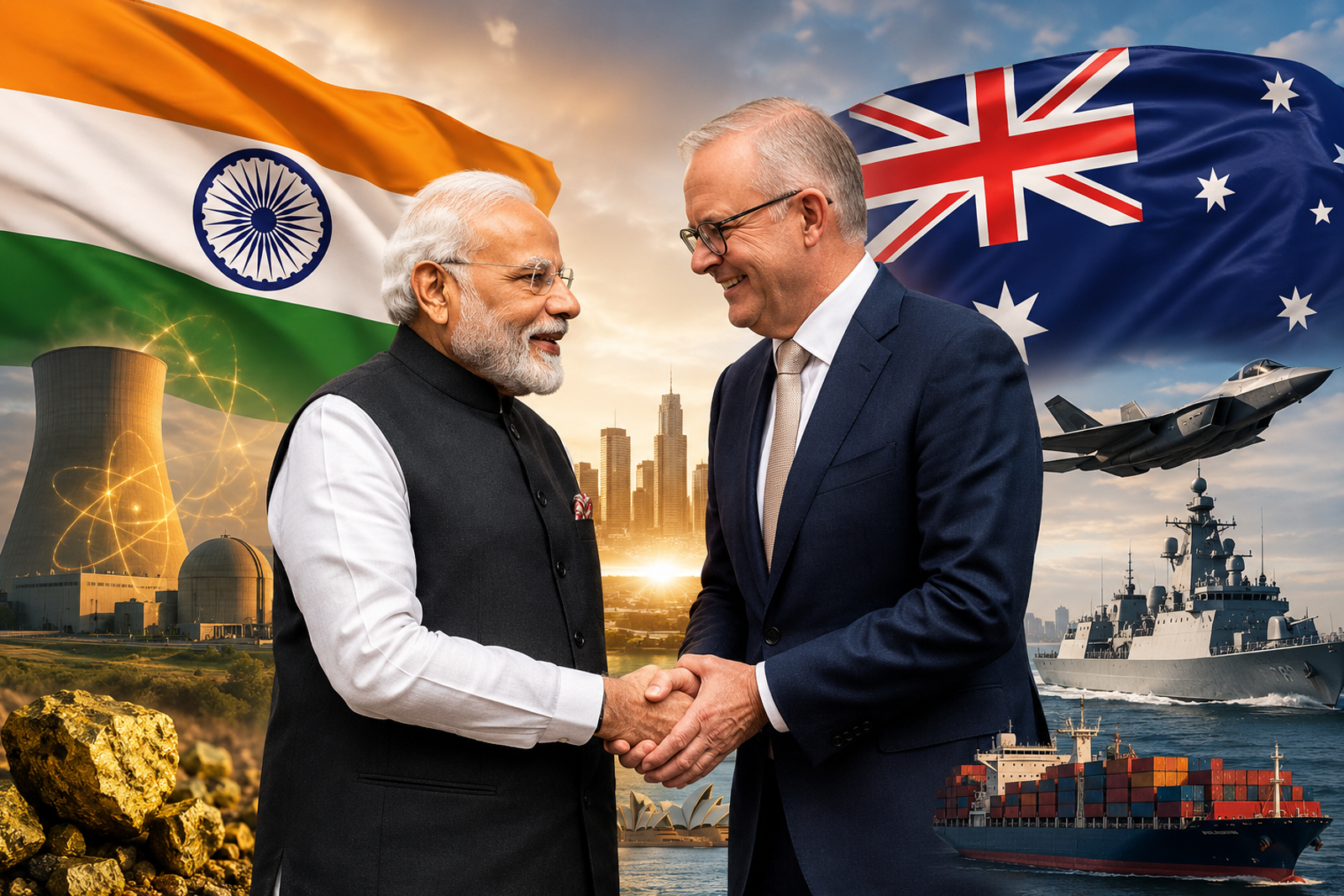
One of the most closely watched topics during the visit is the possibility of expanding uranium cooperation. Australia possesses some of the world's largest uranium reserves, while India continues to increase its clean energy capacity through nuclear power generation. A stronger uranium supply arrangement could support India's long-term energy security objectives and help diversify its energy resources while reducing dependence on conventional fossil fuels.
India and Australia have significantly increased joint military exercises, maritime coordination, and intelligence sharing in recent years. Leaders are likely to discuss greater cooperation in defence technology, cybersecurity, maritime surveillance, and naval interoperability to maintain stability across the Indo-Pacific region.
The two countries also continue to work together through regional partnerships that promote a free, open, and rules-based maritime order while addressing emerging security challenges.
Trade and investment discussions are expected to receive equal attention. Both governments are exploring ways to improve market access, encourage private investment, and strengthen cooperation in renewable energy, digital innovation, education, agriculture, and critical minerals. Business leaders from both countries are hopeful that new agreements will generate fresh investment opportunities and create employment.
Prime Minister Modi's Australia visit reflects the steady growth of India-Australia relations into a comprehensive strategic partnership. With shared democratic values and common regional interests, both nations are working toward stronger economic integration and enhanced security cooperation. Any agreements reached during the visit could contribute to long-term stability, sustainable development, and closer diplomatic ties, reinforcing the importance of the India-Australia partnership in the evolving Indo-Pacific landscape.
Introline: Prime Minister Narendra Modi’s visit to Australia is expected to strengthen one of India’s fastest-growing strategic relationships. From uranium supplies and defence cooperation to trade, technology and education, the visit could pave the way for new agreements that deepen bilateral ties and reinforce stability across the Indo-Pacific region.
Prime Minister Narendra Modi’s upcoming visit to Australia comes at a time when both nations are expanding cooperation across multiple sectors. India and Australia have transformed their relationship over the past decade from a traditional diplomatic partnership into a Comprehensive Strategic Partnership built on shared democratic values, economic interests and regional security objectives.
Leaders from both countries are expected to review the progress of existing agreements while identifying new opportunities in energy, defence, investment, technology and people-to-people exchanges. The visit is also likely to send a strong message about both countries' commitment to maintaining peace and stability in the Indo-Pacific.
One of the most anticipated discussions during the visit is expected to revolve around uranium cooperation.
Australia possesses some of the world's largest uranium reserves, making it an important global supplier of nuclear fuel. India, on the other hand, continues to expand its nuclear energy programme as part of its long-term clean energy strategy.
A stronger uranium supply arrangement could help India:
For Australia, expanding uranium exports to India represents an opportunity to strengthen economic ties while supporting India's clean energy transition.
Defence has become one of the strongest pillars of India-Australia relations.
The visit is expected to include discussions on expanding defence manufacturing partnerships, enhancing maritime domain awareness and increasing interoperability between armed forces.
As both nations share concerns about maintaining a free, open and secure Indo-Pacific, closer defence cooperation is viewed as strategically important.
India and Australia are important partners in promoting regional stability.
Both countries support:
During the visit, leaders are expected to discuss emerging security challenges, including maritime safety, disaster response, cyber threats and strategic developments affecting the Indo-Pacific region.
Strengthening cooperation in these areas could contribute to greater regional resilience.
Economic cooperation is expected to feature prominently during bilateral talks.
India is among the world's fastest-growing major economies, while Australia offers strong investment opportunities across mining, education, agriculture and advanced technology.
Key areas expected to receive attention include:
Business leaders from both countries are also likely to explore opportunities for collaboration that generate employment and encourage innovation.
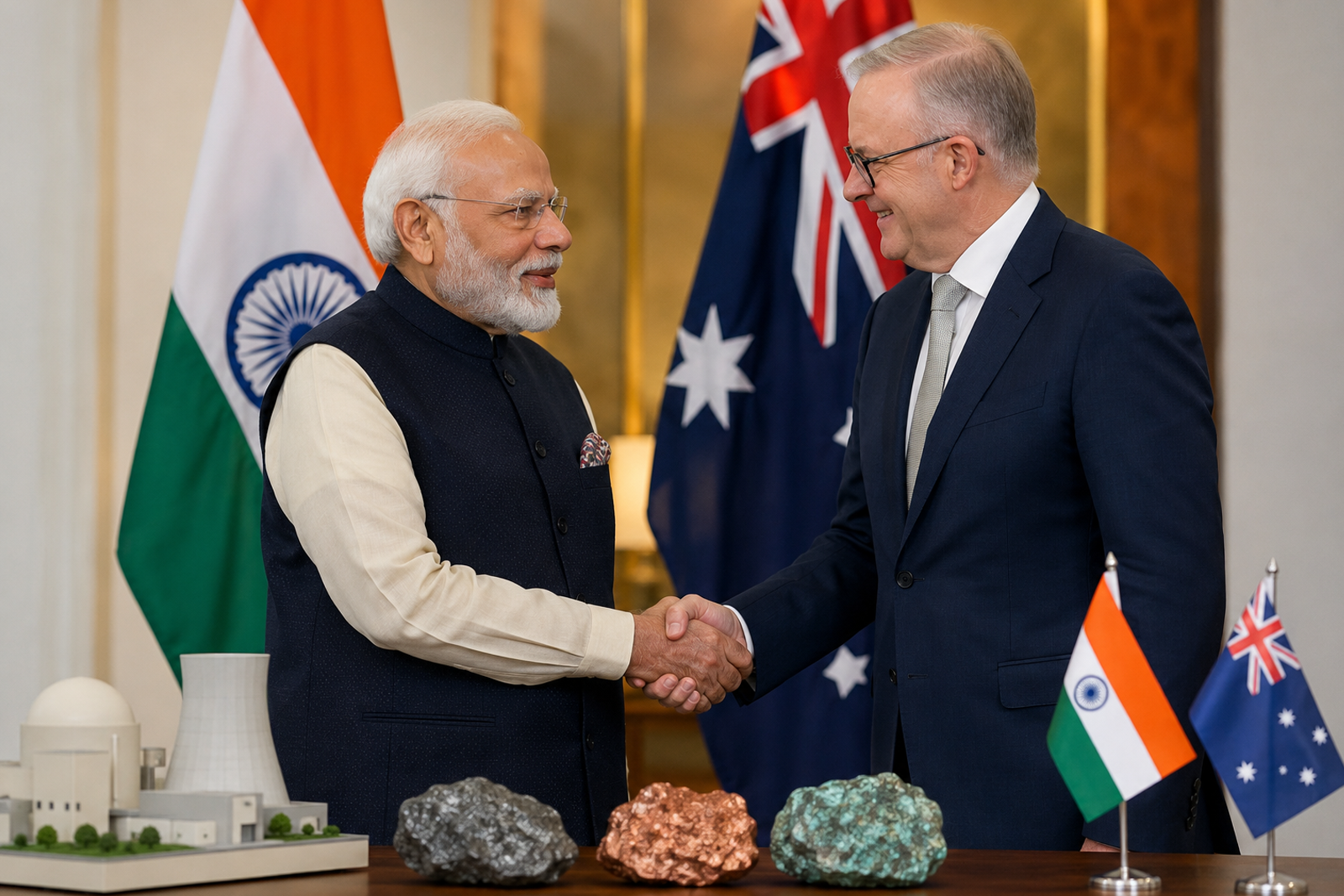
Apart from uranium, Australia possesses abundant reserves of critical minerals that are essential for modern industries.
These include minerals used in:
India has been actively seeking reliable sources of critical minerals to support its manufacturing ambitions and clean energy goals.
Greater cooperation in this sector could reduce supply chain risks while creating new commercial opportunities.
Energy cooperation is no longer limited to conventional resources.
India and Australia are increasingly working together in:
Joint research and investment in renewable energy projects could accelerate both countries' transition towards cleaner and more sustainable energy systems.
Technology is emerging as another important area of bilateral cooperation.
Discussions may include collaboration in:
By combining Australia's research capabilities with India's technology ecosystem, both countries can create opportunities for innovation-driven economic growth.
Education remains one of the strongest people-to-people links between India and Australia.
Thousands of Indian students pursue higher education in Australian universities each year.
Future cooperation may focus on:
Strengthening educational partnerships can help develop a highly skilled workforce for emerging industries.
As maritime nations, India and Australia recognise the importance of secure sea lanes.
Possible areas of cooperation include:
The business communities in both countries are optimistic about stronger economic engagement.
Industries expected to benefit include:
New policy initiatives and investment agreements could encourage greater participation from private companies.
Since upgrading bilateral relations to a Comprehensive Strategic Partnership, India and Australia have steadily expanded cooperation across almost every major sector.
The relationship is increasingly characterised by:
Prime Minister Modi's visit provides an opportunity to review progress and identify new areas for future collaboration.
Analysts expect several practical outcomes from the high-level meetings, including:
While some agreements may be announced immediately, others could establish long-term frameworks for future collaboration.
India and Australia have steadily built a relationship that extends far beyond traditional diplomacy. Their growing cooperation reflects common interests in economic growth, energy security, technological innovation and regional stability.
Prime Minister Narendra Modi's Australia visit is expected to reinforce this momentum by creating fresh opportunities for governments, businesses, researchers and educational institutions. Whether through uranium cooperation, defence partnerships or expanded trade, the discussions are likely to contribute to a stronger and more resilient bilateral relationship.
As global economic and geopolitical dynamics continue to evolve, closer India-Australia cooperation is expected to play an increasingly important role in shaping a secure, prosperous and sustainable Indo-Pacific region for the years ahead.

In today’s world of endless choices and digital noise, marketing is no longer just about promoting products — it’s about creating meaningful connections. Successful brands focus on building relationships rather than chasing transactions. Marketing that connects transforms audiences into loyal communities by earning their trust, understanding their needs, and delivering genuine value. When businesses prioritize people over promotions, marketing becomes more than strategy — it becomes a relationship built to last.

Odisha’s small businesses are entering a new era — where mobile apps, online payments, and e-commerce aren’t luxuries, but lifelines for growth and survival.

As India enters the second phase of its digital revolution, artificial intelligence and automation are not just transforming industries—they’re redefining what it means to work, earn, and adapt.

The conference brought together officials from ten central districts, including district collectors, tehsildars, registrars, and welfare officers, either virtually or in person.

We glorified sleepless nights, burnout, and exhaustion as signs of ambition. But when did working yourself to the edge become the definition of success?

Not everyone who thrives in tech writes code. Some design the very experiences that make technology human.



Leave Comments