- Loading...
- Loading...


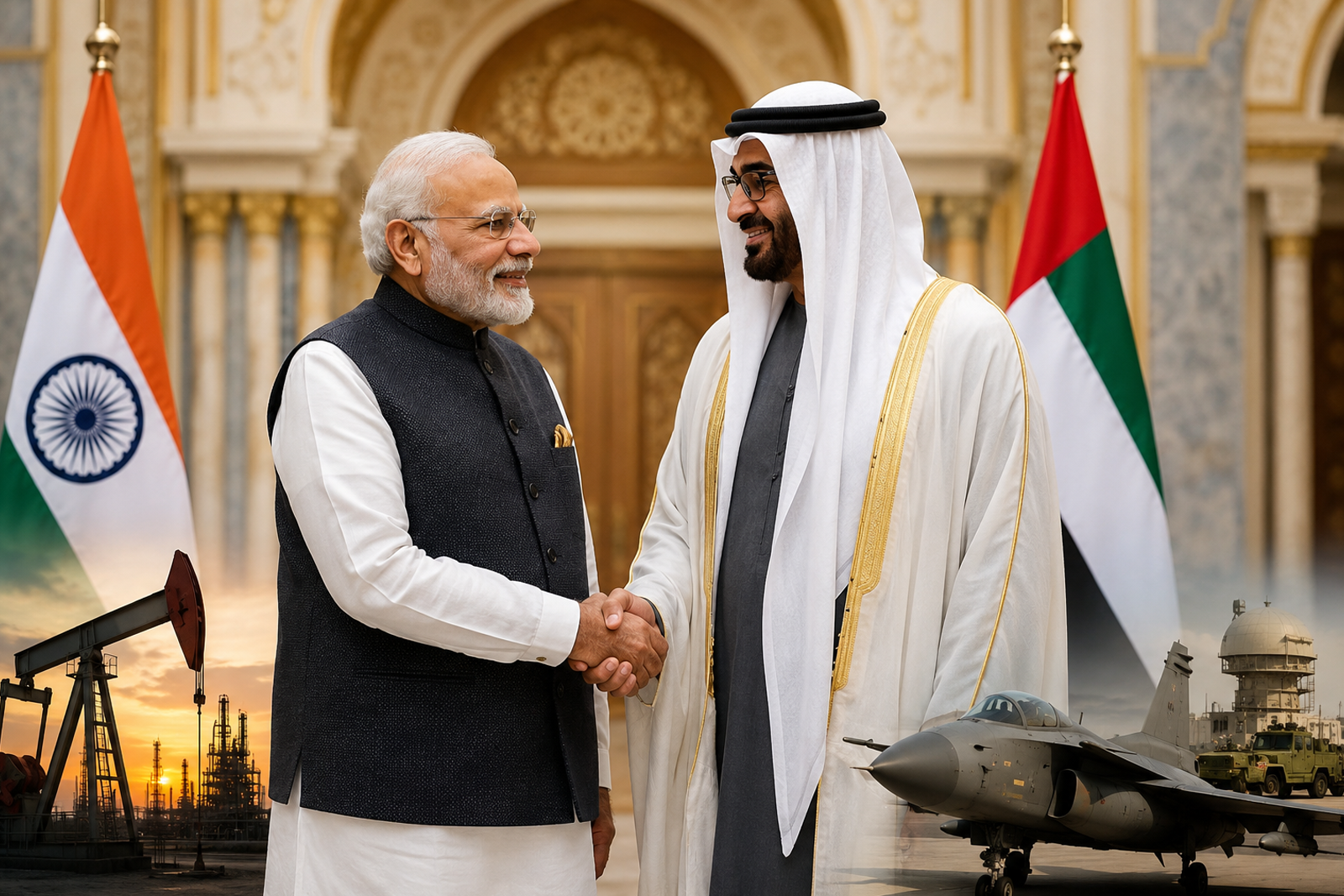
In a decisive diplomatic move, Narendra Modi’s visit to West Asia has resulted in a series of high-impact agreements between India and the United Arab Emirates. The visit comes at a time when geopolitical tensions and ongoing conflicts are reshaping alliances and economic priorities across the region. Against this backdrop, both nations have chosen to reinforce cooperation in critical sectors such as energy security and defence preparedness.
One of the central outcomes of the visit is the expansion of long-term energy supply arrangements. With global fuel markets experiencing volatility due to conflict in West Asia, India has moved to secure stable crude oil and LNG supplies from the UAE. The agreement not only ensures uninterrupted energy flow but also opens doors for joint investments in renewable energy projects. This reflects a shared commitment to balancing immediate energy needs with long-term sustainability goals.
Defence collaboration has emerged as another key pillar of the partnership. Both countries have agreed to enhance joint training programs, intelligence sharing, and defence technology exchanges. As security challenges grow more complex in the region, these agreements are expected to improve operational readiness and strengthen mutual trust. The move also signals a broader strategic alignment, positioning both nations as reliable partners in maintaining regional stability.
Beyond energy and defence, the visit has given a fresh push to bilateral trade and investment. The UAE continues to be one of India’s most important economic partners, and new initiatives aim to streamline trade routes, improve logistics, and encourage private-sector collaboration. Sectors such as infrastructure, digital technology, and manufacturing are likely to benefit from increased cross-border investments.
This visit highlights India’s proactive approach to global diplomacy during uncertain times. By engaging closely with a key partner like the UAE, India is not only safeguarding its economic interests but also expanding its strategic footprint in West Asia. For the UAE, strengthening ties with a rapidly growing economy like India provides both stability and opportunity.
As regional dynamics continue to evolve, the agreements signed during this visit mark a significant step toward a more resilient and future-ready partnership between the two nations.
At a time when West Asia is facing heightened instability, Narendra Modi’s landmark visit has elevated ties between India and the United Arab Emirates to a new strategic level. The agreements signed during this visit go far beyond routine diplomacy—they reflect a carefully calibrated response to shifting geopolitical realities, economic uncertainty, and evolving security challenges in the region.
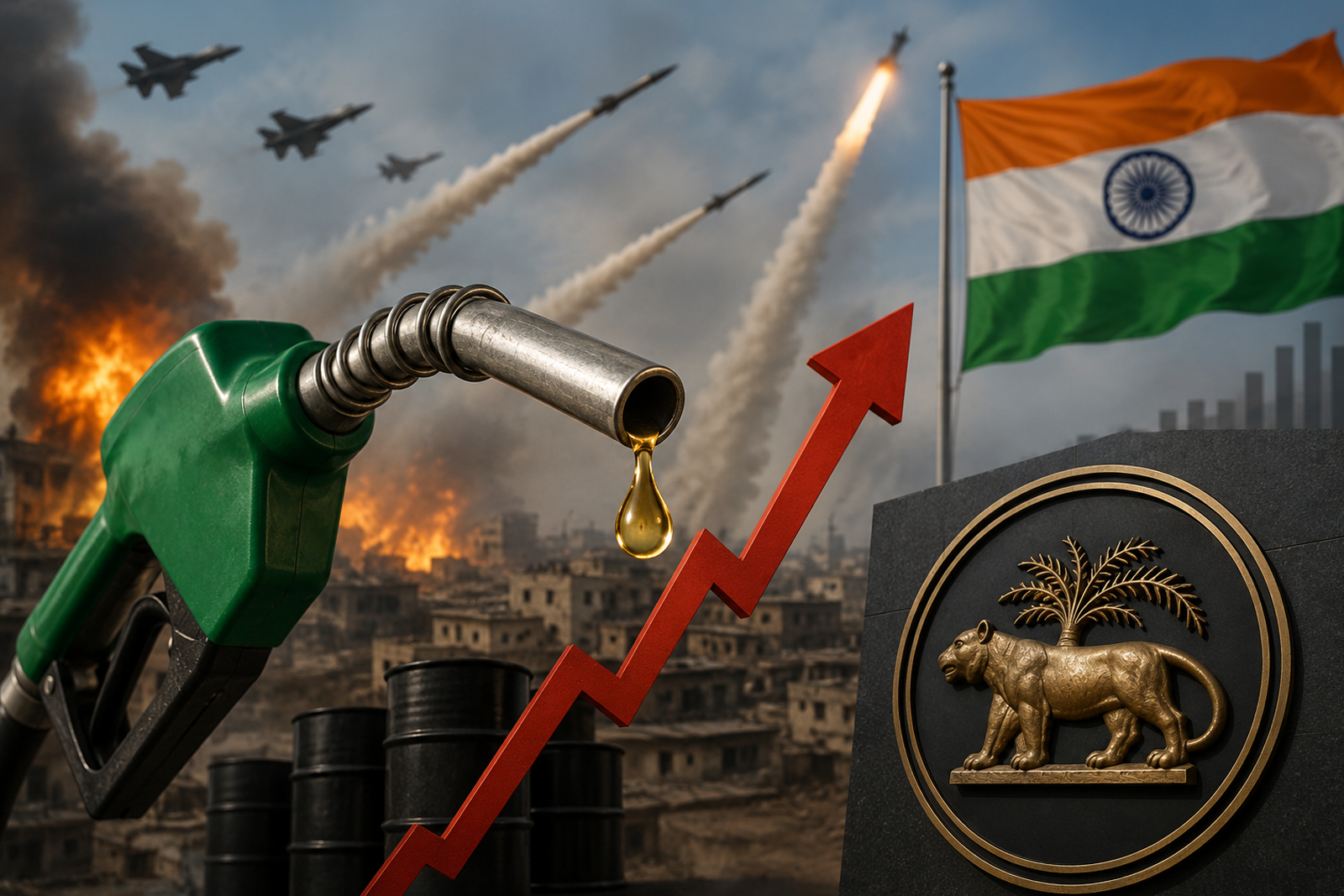
The visit holds particular significance due to its timing. With ongoing conflicts affecting trade routes, oil prices, and regional security, both India and the UAE are seeking dependable partnerships. India, as a major energy importer, faces risks from supply disruptions, while the UAE is navigating a complex regional environment that demands strong global alliances.
By engaging at the highest level, both countries have sent a clear message: stability and cooperation will remain priorities despite external uncertainties. This visit demonstrates how diplomacy can act as a stabilizing force even during turbulent times.
Energy cooperation formed the backbone of the discussions, resulting in strengthened supply commitments and forward-looking investments.
Key Developments:
For India, these steps reduce vulnerability to global market shocks. For the UAE, they secure a long-term and reliable customer in one of the world’s fastest-growing energy markets. The shift toward renewable energy collaboration also reflects a shared understanding of future energy transitions.
Defence ties between the two nations have traditionally been cordial, but this visit has transformed them into a more structured and action-oriented partnership.
Key Areas of Cooperation:
These developments are particularly important as threats such as piracy, cyber warfare, and regional conflicts become more complex. A stronger defence partnership ensures both countries are better equipped to respond swiftly and effectively.
The economic dimension of the India-UAE relationship continues to grow rapidly, and this visit has added fresh momentum.
Major Focus Areas:
The UAE is already one of India’s top trading partners, and both sides are now aiming to significantly increase trade volumes. Improved connectivity and simplified trade processes are expected to benefit businesses on both ends.
One of the less discussed but crucial aspects of the visit is the focus on connectivity. Both nations are exploring ways to enhance trade routes that bypass conflict-prone zones.
Key Initiatives:
These efforts will not only improve efficiency but also reduce dependency on routes that may be affected by geopolitical tensions.
The Indian diaspora in the UAE—numbering in the millions—continues to play a vital role in strengthening bilateral ties. During the visit, discussions also touched upon improving welfare measures and creating more opportunities for skilled professionals.
Impact of the Diaspora:
Recognizing this, both governments are working to ensure better protections and opportunities for expatriates.
While fossil fuels remain central to current agreements, both nations are clearly preparing for a future where renewable energy plays a dominant role.
Future-Oriented Plans:
This dual approach ensures that immediate energy needs are met without compromising long-term environmental commitments.
Beyond the agreements themselves, the visit carries a broader geopolitical signal. It highlights India’s growing influence in West Asia and its ability to maintain strong relationships across different power centers.
For the UAE, closer ties with India provide diversification in global partnerships, reducing over-reliance on any single region. This mutual alignment strengthens both countries’ positions on the global stage.
Despite the positive outcomes, certain challenges remain:
However, the frameworks established during this visit provide a solid foundation to address these issues collaboratively.
The agreements signed during this visit are not just immediate solutions—they are long-term commitments aimed at building resilience. Both India and the United Arab Emirates are positioning themselves for a future where economic strength, energy security, and strategic cooperation are deeply interconnected.
As West Asia continues to evolve, this partnership stands out as a model of pragmatic diplomacy. It combines economic ambition with strategic foresight, ensuring that both nations are better prepared for the uncertainties of the global landscape.
Narendra Modi’s visit marks a turning point in India-UAE relations. By focusing on tangible outcomes in energy, defence, and trade, both countries have reinforced their commitment to mutual growth and regional stability. In a world marked by unpredictability, such partnerships offer a blueprint for cooperation built on trust, shared interests, and long-term vision.

In today’s world of endless choices and digital noise, marketing is no longer just about promoting products — it’s about creating meaningful connections. Successful brands focus on building relationships rather than chasing transactions. Marketing that connects transforms audiences into loyal communities by earning their trust, understanding their needs, and delivering genuine value. When businesses prioritize people over promotions, marketing becomes more than strategy — it becomes a relationship built to last.

Odisha’s small businesses are entering a new era — where mobile apps, online payments, and e-commerce aren’t luxuries, but lifelines for growth and survival.

As India enters the second phase of its digital revolution, artificial intelligence and automation are not just transforming industries—they’re redefining what it means to work, earn, and adapt.

The conference brought together officials from ten central districts, including district collectors, tehsildars, registrars, and welfare officers, either virtually or in person.

We glorified sleepless nights, burnout, and exhaustion as signs of ambition. But when did working yourself to the edge become the definition of success?

Not everyone who thrives in tech writes code. Some design the very experiences that make technology human.



Leave Comments