- Loading...
- Loading...


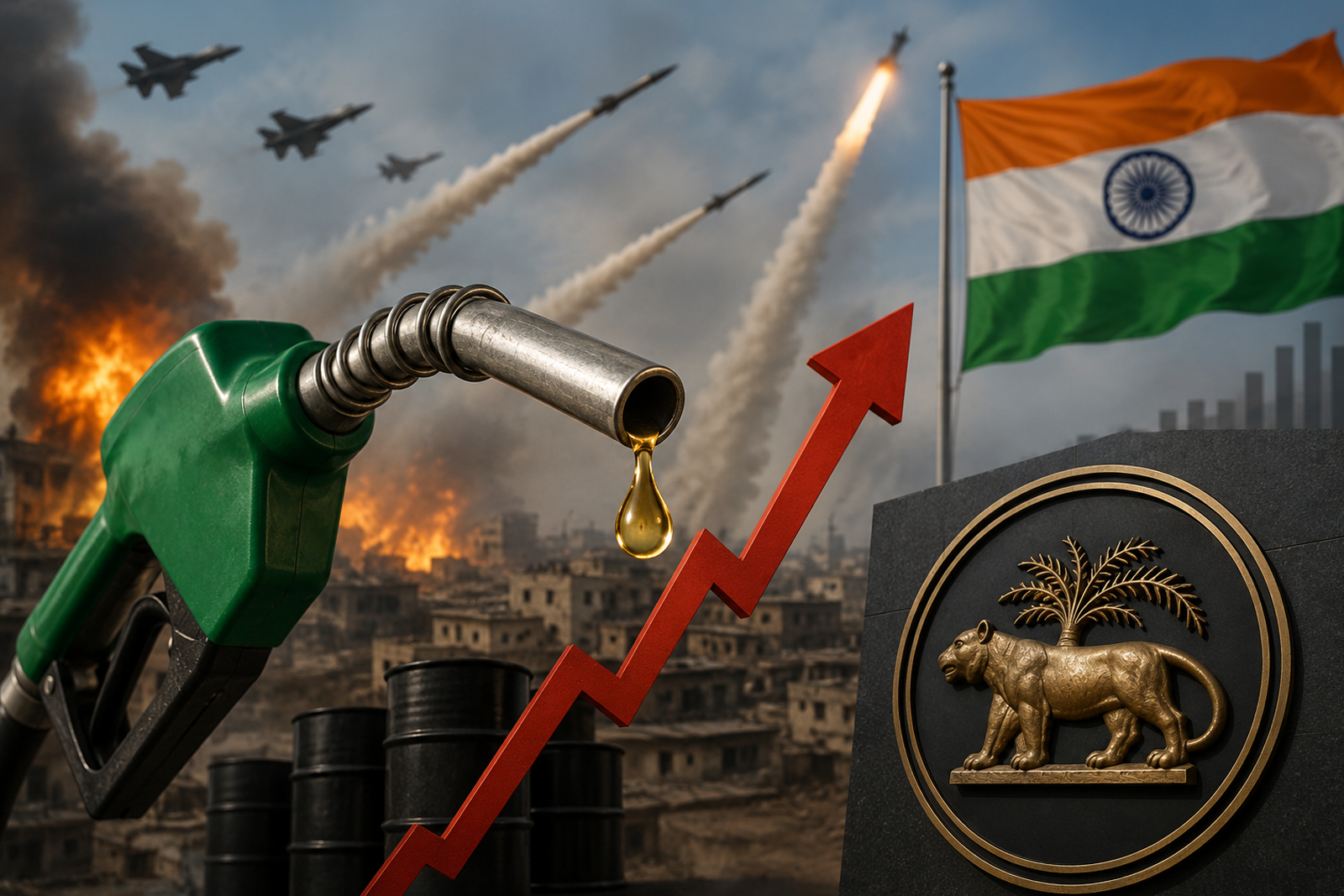
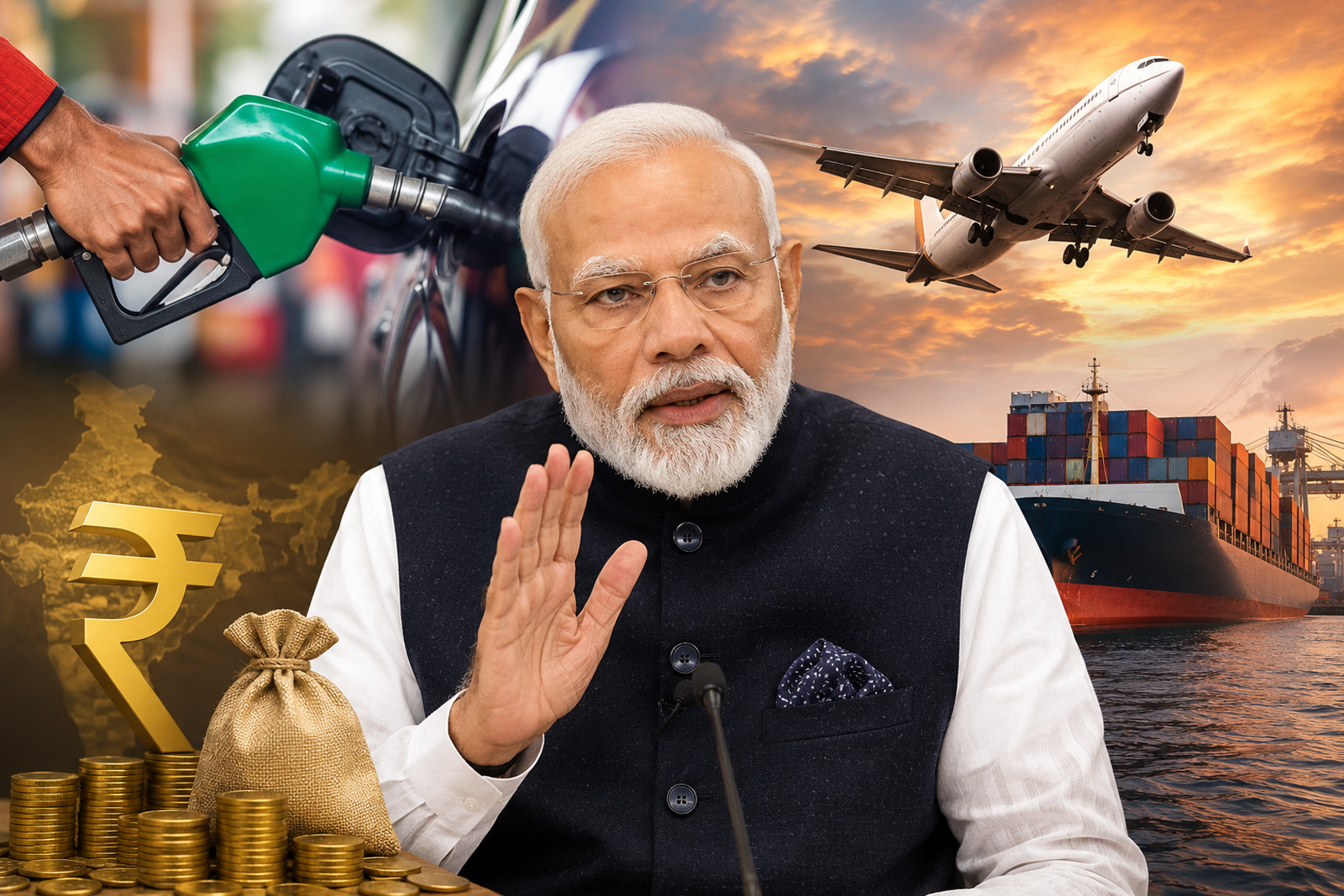
India could be heading toward another phase of rising fuel prices as geopolitical tensions in the Middle East continue to simmer. The warning from Sanjay Malhotra has brought renewed focus on how global developments directly impact domestic economic stability. With the region being a critical hub for crude oil supply, any prolonged conflict or disruption is likely to push international oil prices upward—ultimately affecting Indian consumers.
India imports a significant portion of its crude oil requirements, and a large share comes from Middle Eastern nations. When tensions rise in this region, concerns over supply disruptions grow, leading to volatility in global oil markets. Even the anticipation of conflict can trigger price spikes, as traders factor in potential risks to supply chains. For a country like India, which relies heavily on imports, such fluctuations can quickly translate into higher fuel costs.
Petrol and diesel prices in India are closely linked to international crude oil rates. If global prices climb, oil marketing companies may be compelled to pass on the increased costs to consumers. This could lead to a ripple effect across the economy, as transportation and logistics expenses rise. Everyday essentials—from food to manufactured goods—may become more expensive, increasing the financial burden on households.
Higher fuel prices often contribute to inflation, a key concern for policymakers. The Reserve Bank of India monitors these trends closely, as persistent inflation can affect economic growth and consumer spending. According to the RBI’s assessment, sustained pressure from global oil prices could complicate efforts to maintain price stability. This makes the evolving Middle East situation not just a geopolitical issue, but a significant economic challenge for India.
While the timing and extent of any fuel price hike remain uncertain, the risks are clearly on the horizon. Much will depend on how the Middle East situation unfolds in the coming weeks. If tensions ease, the impact may be limited. However, a prolonged conflict could push prices higher and force difficult decisions for both policymakers and consumers.
In the meantime, experts suggest that India may need to explore strategies such as diversifying energy sources and strengthening reserves to reduce vulnerability. For now, the warning serves as a reminder that global events can have immediate and tangible effects on daily life in India.
The possibility of a fresh surge in petrol and diesel prices is becoming increasingly real as geopolitical tensions in the Middle East intensify. A recent cautionary statement by Sanjay Malhotra has highlighted the vulnerability of India’s energy ecosystem to global disruptions. As one of the world’s largest importers of crude oil, India stands directly exposed to any instability in key oil-producing regions, making fuel pricing a sensitive and dynamic issue.
India’s dependence on imported crude oil is the foundation of this concern. Nearly 80–85% of the country’s oil needs are met through imports, with a substantial portion sourced from the Middle East.
Key reasons this connection is critical:
When supply fears rise, global crude prices react instantly—and India feels the impact within days or weeks.
Fuel prices in India are not fixed arbitrarily; they follow a dynamic pricing mechanism linked to international crude oil benchmarks.
Major components influencing petrol and diesel prices:
When crude prices increase globally, oil marketing companies adjust retail prices accordingly. This system ensures transparency but also exposes consumers to global volatility.
A rise in petrol and diesel prices doesn’t just affect vehicle owners—it triggers a chain reaction across the economy.
Direct and indirect effects include:
For middle- and lower-income families, even a small hike in fuel prices can significantly affect monthly expenses.
Fuel price hikes are closely linked to inflation, which is a major concern for policymakers and the central bank.
How fuel fuels inflation:
Reserve Bank of India closely monitors such developments because sustained inflation can slow economic growth and reduce purchasing power.
The warning from Sanjay Malhotra underscores the seriousness of the situation. The central bank is tasked with maintaining price stability while supporting growth.
RBI’s key concerns include:
If fuel prices rise sharply, the RBI may need to adopt tighter monetary policies, which could affect loans, EMIs, and investments.
The Indian government has limited but important tools to manage fuel price shocks.
Potential measures include:
However, each of these steps comes with fiscal trade-offs, making policy decisions complex.
The severity of the impact largely depends on how the geopolitical situation unfolds.
Scenarios to watch:
Global markets react not just to actual disruptions but also to perceived risks, making the situation highly unpredictable.
The recurring vulnerability to global oil shocks highlights the need for structural changes.
Strategic steps India can take:
Reducing dependence on imported crude is essential for long-term economic stability.
For now, consumers may need to prepare for potential volatility in fuel prices. While no immediate hike is guaranteed, the risk remains significant if global tensions persist.
What individuals can do:
The warning issued by Sanjay Malhotra serves as a timely reminder of how interconnected today’s world is. Events unfolding thousands of kilometers away in the Middle East have the power to influence daily life in India—from the cost of commuting to the price of groceries.
While policymakers continue to monitor the situation and prepare responses, the uncertainty surrounding global oil markets remains a key concern. Whether the impact turns mild or severe will depend largely on how geopolitical tensions evolve in the coming weeks.
For India, the situation reinforces a crucial lesson: energy security is not just an economic priority, but a strategic necessity for the future.

In today’s world of endless choices and digital noise, marketing is no longer just about promoting products — it’s about creating meaningful connections. Successful brands focus on building relationships rather than chasing transactions. Marketing that connects transforms audiences into loyal communities by earning their trust, understanding their needs, and delivering genuine value. When businesses prioritize people over promotions, marketing becomes more than strategy — it becomes a relationship built to last.

Odisha’s small businesses are entering a new era — where mobile apps, online payments, and e-commerce aren’t luxuries, but lifelines for growth and survival.

As India enters the second phase of its digital revolution, artificial intelligence and automation are not just transforming industries—they’re redefining what it means to work, earn, and adapt.

The conference brought together officials from ten central districts, including district collectors, tehsildars, registrars, and welfare officers, either virtually or in person.

We glorified sleepless nights, burnout, and exhaustion as signs of ambition. But when did working yourself to the edge become the definition of success?

Not everyone who thrives in tech writes code. Some design the very experiences that make technology human.




Leave Comments