- Loading...
- Loading...


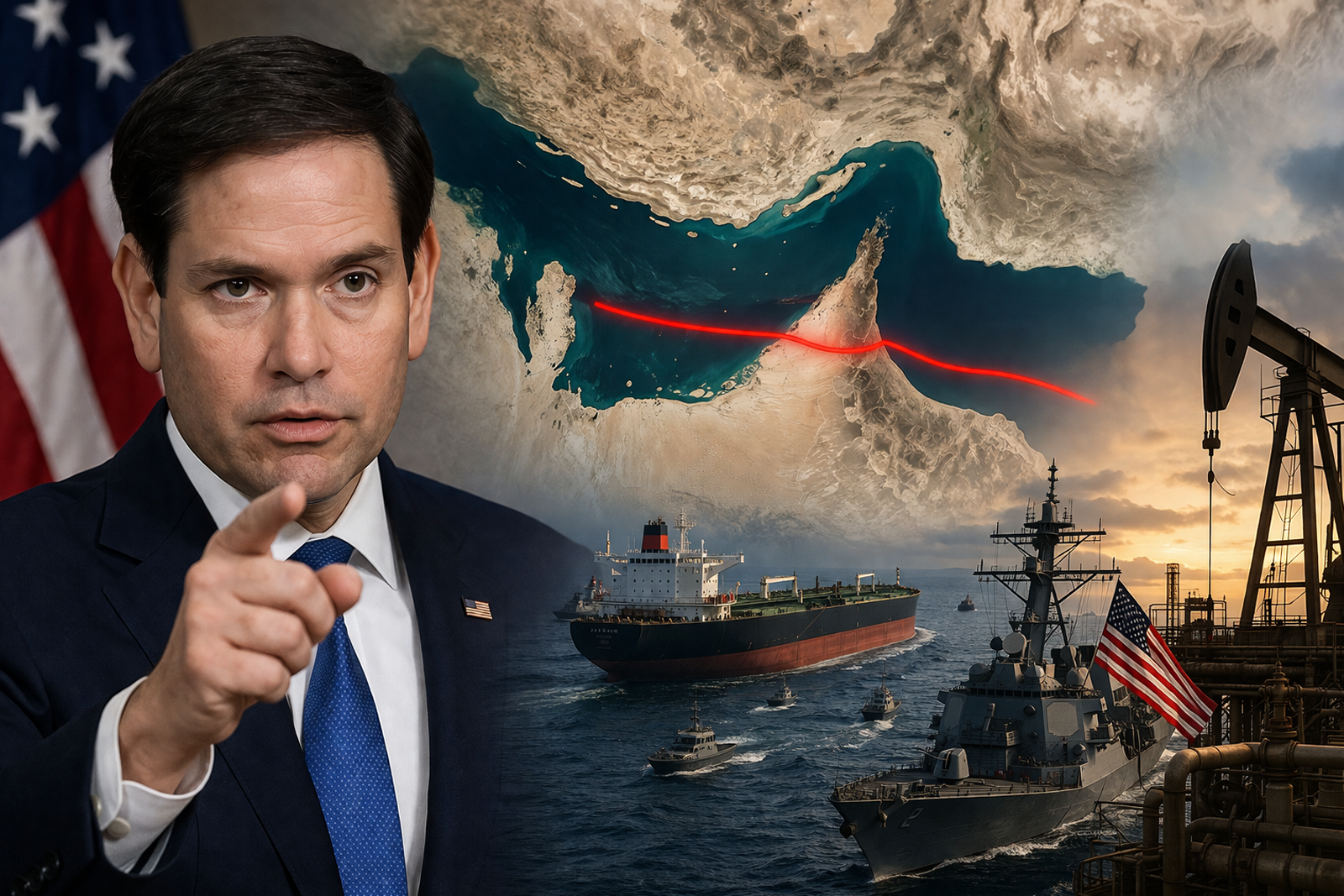
The geopolitical temperature in the Middle East has surged once again as the United States and Iran lock horns over control and security of the Strait of Hormuz. This narrow maritime passage, through which nearly a fifth of the world’s oil supply flows, has become the focal point of a renewed war of words and strategic signaling between the two nations.
At the center of the latest developments is Marco Rubio, who has taken a firm stance against any Iranian attempt to assert dominance over the strait. Emphasizing the global importance of uninterrupted oil movement, Rubio stated that the United States would not accept any restrictions that could threaten international trade or energy security. His remarks reflect a broader consensus in Washington that maintaining open sea lanes is a non-negotiable priority.
Iran, on the other hand, has consistently argued that its actions in the region are defensive and rooted in safeguarding its national interests. However, its increased naval presence and periodic threats to disrupt shipping lanes have raised alarms across global markets. Any instability in the Strait of Hormuz carries immediate consequences, often triggering spikes in oil prices and shaking investor confidence worldwide.
The situation is further complicated by the presence of international naval forces, including those from the United States and its allies, tasked with ensuring freedom of navigation. This buildup increases the risk of miscalculations or unintended confrontations, which could escalate into a broader conflict. Analysts warn that even a minor incident in such a sensitive zone could spiral into a major crisis.
Beyond military posturing, the standoff underscores deeper issues—ranging from economic sanctions to regional power struggles. The United States continues to pressure Iran through diplomatic and economic means, while Iran seeks to assert its influence in the Gulf.
As the world watches closely, the Strait of Hormuz remains more than just a shipping route—it is a symbol of global interdependence and vulnerability. Any disruption here would not only affect the US and Iran but ripple across economies, making stability in the region a matter of international concern.
The latest escalation between the United States and Iran over the Strait of Hormuz has once again drawn global attention to one of the most sensitive geopolitical flashpoints. With strong remarks from Marco Rubio rejecting any Iranian control over the vital passage, the situation underscores how a narrow stretch of water can hold immense influence over the global economy and security landscape.
The Strait of Hormuz is not just another maritime route—it is the backbone of global oil transportation. Roughly 20% of the world’s petroleum passes through this narrow corridor, connecting major oil-producing countries in the Gulf to international markets.
Key facts about the strait:
Because of this, even verbal threats or minor incidents in the region can trigger volatility in energy markets across continents.
The United States has consistently maintained that international waters must remain open and secure for all. Marco Rubio’s recent statement reinforces this long-standing policy.
Core elements of the US stance:
For Washington, the issue goes beyond regional politics—it is about maintaining a rules-based global order where no single country can control critical international waterways.
Iran views the situation through a different lens. Tehran has often argued that its actions are defensive and tied to its sovereignty and economic survival, especially in the face of sanctions.
Iran’s key arguments:
Iran has periodically warned that if it cannot export its oil freely, others in the region may also face disruptions—making the Strait of Hormuz a powerful bargaining tool.
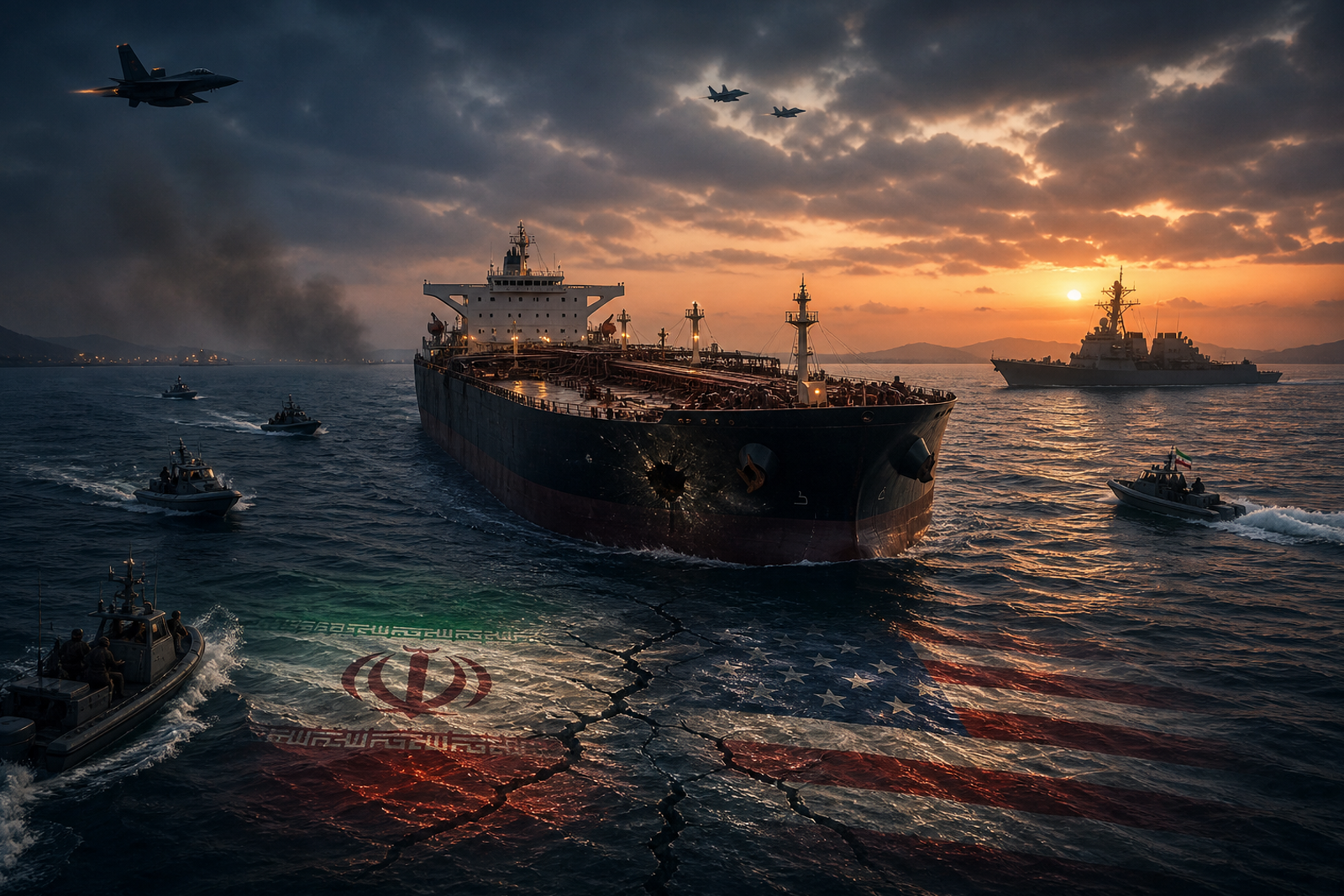
The waters around the Strait of Hormuz are heavily monitored and patrolled, primarily by US forces and allied navies. This dense military presence, while intended to ensure stability, also increases the chances of confrontation.
Major risks involved:
Experts warn that a single misstep could quickly spiral into a broader conflict, drawing in multiple nations.
The implications of any disruption in the Strait of Hormuz extend far beyond the Middle East. Economies worldwide are tightly linked to energy flows from this region.
Potential consequences include:
Countries heavily dependent on oil imports, including India and several European nations, would feel the impact almost immediately.
Efforts to ease tensions between the United States and Iran have historically faced obstacles due to deep-rooted mistrust. Diplomatic channels exist, but progress remains fragile.
Key diplomatic hurdles:
Without meaningful engagement, both sides risk falling into a cycle of provocation and retaliation.
The situation is not just a bilateral issue. Many countries have a vested interest in keeping the Strait of Hormuz open and stable.
Stakeholders include:
These actors often push for de-escalation while quietly preparing contingency plans.
The future of the US-Iran standoff in the Strait of Hormuz could unfold in several ways:
1. Controlled Tension
Both sides continue strong rhetoric but avoid direct confrontation.
2. Diplomatic Breakthrough
Renewed talks lead to reduced tensions and agreements on maritime conduct.
3. Limited Conflict
A small-scale clash occurs but is quickly contained.
4. Major Escalation
A broader military conflict disrupts global trade and security.
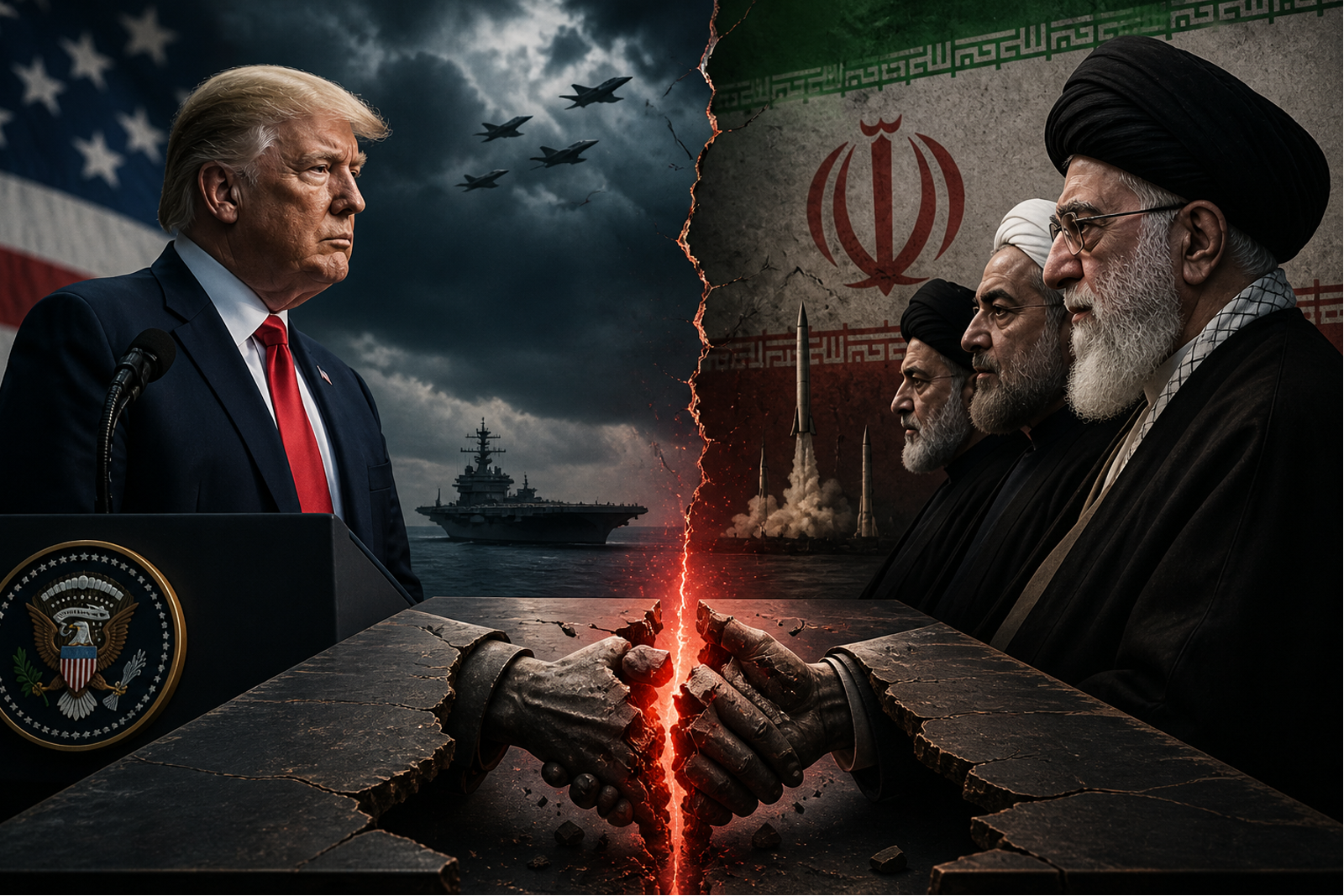
The standoff over the Strait of Hormuz highlights how geography, politics, and economics intersect in today’s interconnected world. With firm warnings from figures like Marco Rubio and strong responses from Iran, the situation remains delicate and unpredictable.
What makes this issue particularly critical is that its impact is not confined to one region. From fuel prices in Asia to stock markets in Europe and policy decisions in Washington, the ripple effects are truly global.
As tensions persist, the need for careful diplomacy, strategic restraint, and international cooperation has never been greater. The Strait of Hormuz may be narrow in size, but its significance in shaping the future of global stability is immense.

In today’s world of endless choices and digital noise, marketing is no longer just about promoting products — it’s about creating meaningful connections. Successful brands focus on building relationships rather than chasing transactions. Marketing that connects transforms audiences into loyal communities by earning their trust, understanding their needs, and delivering genuine value. When businesses prioritize people over promotions, marketing becomes more than strategy — it becomes a relationship built to last.

Odisha’s small businesses are entering a new era — where mobile apps, online payments, and e-commerce aren’t luxuries, but lifelines for growth and survival.

As India enters the second phase of its digital revolution, artificial intelligence and automation are not just transforming industries—they’re redefining what it means to work, earn, and adapt.

The conference brought together officials from ten central districts, including district collectors, tehsildars, registrars, and welfare officers, either virtually or in person.

We glorified sleepless nights, burnout, and exhaustion as signs of ambition. But when did working yourself to the edge become the definition of success?

Not everyone who thrives in tech writes code. Some design the very experiences that make technology human.




Leave Comments