- Loading...
- Loading...


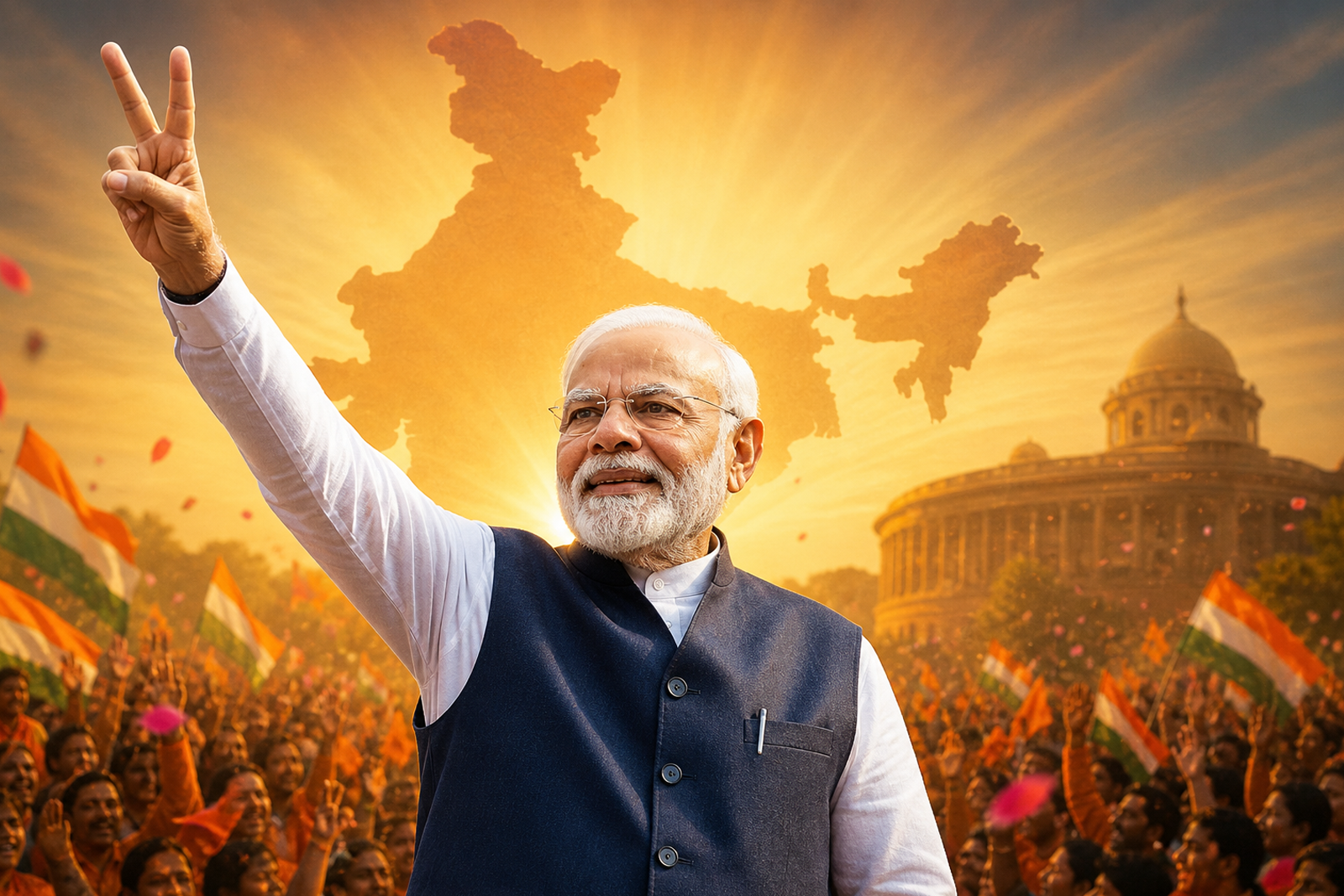
The recent state election victories led by Narendra Modi have once again underlined his strong political influence across India. These results are not just a regional political success; they carry broader implications for the country’s democratic framework, governance style, and opposition dynamics.
One of the most striking aspects of this victory is the consolidation of political power. When a single leader or party dominates multiple states, it often strengthens policy implementation and ensures consistency in governance. Supporters argue that such a mandate reflects public trust in leadership, development policies, and national vision. It may also allow faster decision-making and smoother coordination between state and central governments.
However, critics see a different picture. A sweeping electoral win can raise concerns about the weakening of political competition. Democracy thrives on strong opposition, diverse viewpoints, and institutional checks and balances. When opposition parties struggle to make an impact, it can lead to reduced debate and limited scrutiny of policies. This situation may gradually affect the accountability mechanisms that are essential in a democratic system.
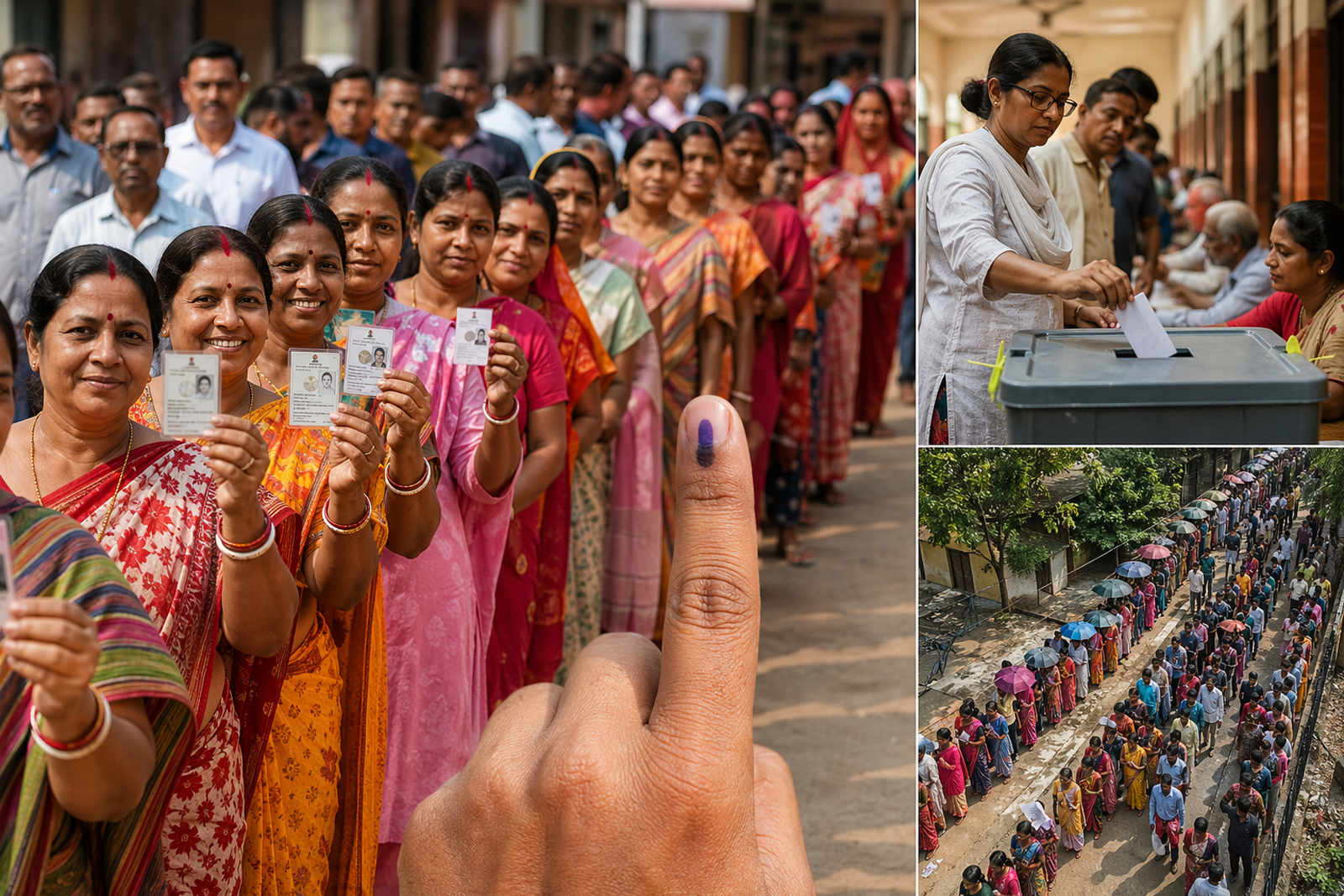
Another important factor is the role of voters. These election outcomes highlight a shift in voter behavior, where leadership image, welfare schemes, and national narratives often outweigh local issues. This trend could redefine how political campaigns are conducted in the future, with greater focus on centralized messaging rather than regional concerns.
Media influence and digital outreach have also played a key role in shaping public perception. Modern election campaigns increasingly rely on social media, targeted messaging, and strong branding. This evolution has transformed the democratic process, making it more direct but also more complex in terms of information flow and public opinion.
Ultimately, these election results mark a significant moment for India’s democracy. Whether this dominance leads to stronger governance or raises concerns about democratic balance will depend on how institutions, opposition parties, and civil society respond in the coming years.
The sweeping victories secured by Narendra Modi and his party in recent state elections have once again reshaped the political narrative in India. While electoral success is a fundamental pillar of democracy, the scale and consistency of these wins raise deeper questions about institutional balance, voter behavior, and the evolving nature of political competition in the country.
Below is a detailed analysis of what this political moment could mean for India’s democracy:
One of the most immediate outcomes of repeated electoral victories is the consolidation of power. When the same political leadership governs both at the central and state levels, it creates a more unified administrative framework.
However, such consolidation also comes with risks. Excessive concentration of power can reduce institutional independence if not balanced by strong democratic safeguards.
A healthy democracy relies heavily on a strong and active opposition. In recent elections, opposition parties have struggled to match the organizational strength and messaging strategy of the ruling leadership.
This trend raises concerns about whether democratic competition is becoming uneven, which could impact long-term political diversity.
The elections highlight a growing shift toward leadership-driven campaigns. Narendra Modi remains a central figure in electoral messaging, often overshadowing local candidates and regional leadership.
While this can create a strong and stable leadership image, it may also reduce the importance of local accountability and grassroots representation.
Another significant aspect of recent elections is the changing mindset of voters across India.
This evolution indicates a more complex electorate that weighs both emotional and practical considerations before voting.
Government welfare schemes and direct benefit programs have played a crucial role in shaping electoral outcomes.
These initiatives strengthen democratic participation by making governance more visible and tangible to the public.
Modern election campaigns in India are increasingly driven by communication strategies.
However, the rise of digital influence also raises concerns about misinformation, media bias, and the concentration of narrative power.
India’s federal structure depends on a balance between central authority and state autonomy. With the same party ruling multiple states, this balance may evolve.
The challenge lies in maintaining federal diversity while ensuring administrative efficiency.
Democracy is not defined by elections alone but by the strength of its institutions.
The resilience of these institutions will determine how well democracy adapts to concentrated political power.
The current trend could have lasting effects on India’s political future.
This phase could either stabilize governance or trigger a new wave of political competition.
The recent electoral victories mark a defining moment for India’s democracy. On one hand, strong leadership and clear mandates can accelerate growth and policy execution. On the other, democracy requires constant vigilance to ensure inclusivity, accountability, and balanced power.
The future will depend not just on election results, but on how political leaders, opposition parties, institutions, and citizens collectively shape the democratic process.

In today’s world of endless choices and digital noise, marketing is no longer just about promoting products — it’s about creating meaningful connections. Successful brands focus on building relationships rather than chasing transactions. Marketing that connects transforms audiences into loyal communities by earning their trust, understanding their needs, and delivering genuine value. When businesses prioritize people over promotions, marketing becomes more than strategy — it becomes a relationship built to last.
Odisha’s small businesses are entering a new era — where mobile apps, online payments, and e-commerce aren’t luxuries, but lifelines for growth and survival.

As India enters the second phase of its digital revolution, artificial intelligence and automation are not just transforming industries—they’re redefining what it means to work, earn, and adapt.

The conference brought together officials from ten central districts, including district collectors, tehsildars, registrars, and welfare officers, either virtually or in person.

We glorified sleepless nights, burnout, and exhaustion as signs of ambition. But when did working yourself to the edge become the definition of success?

Not everyone who thrives in tech writes code. Some design the very experiences that make technology human.



Leave Comments