- Loading...
- Loading...


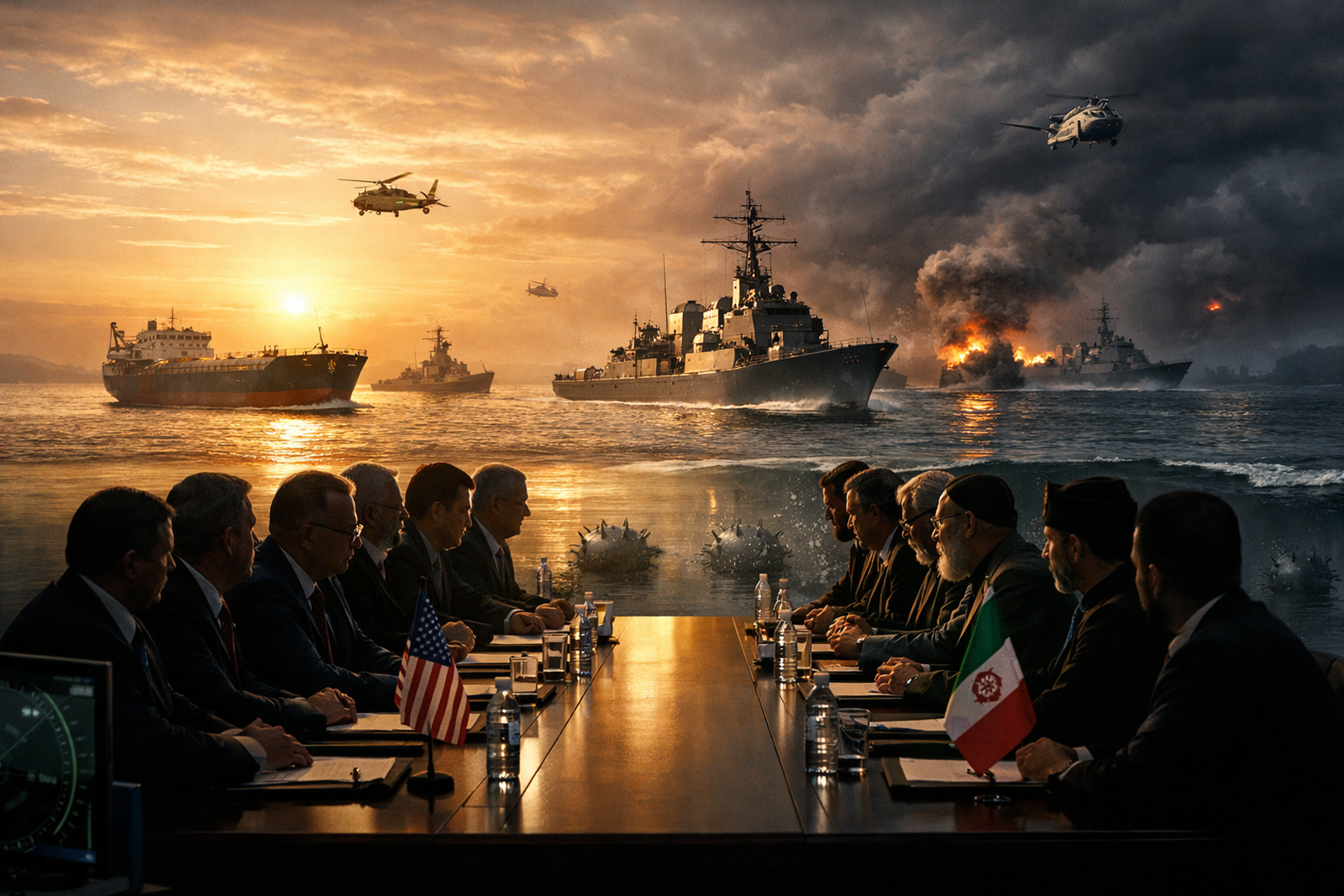
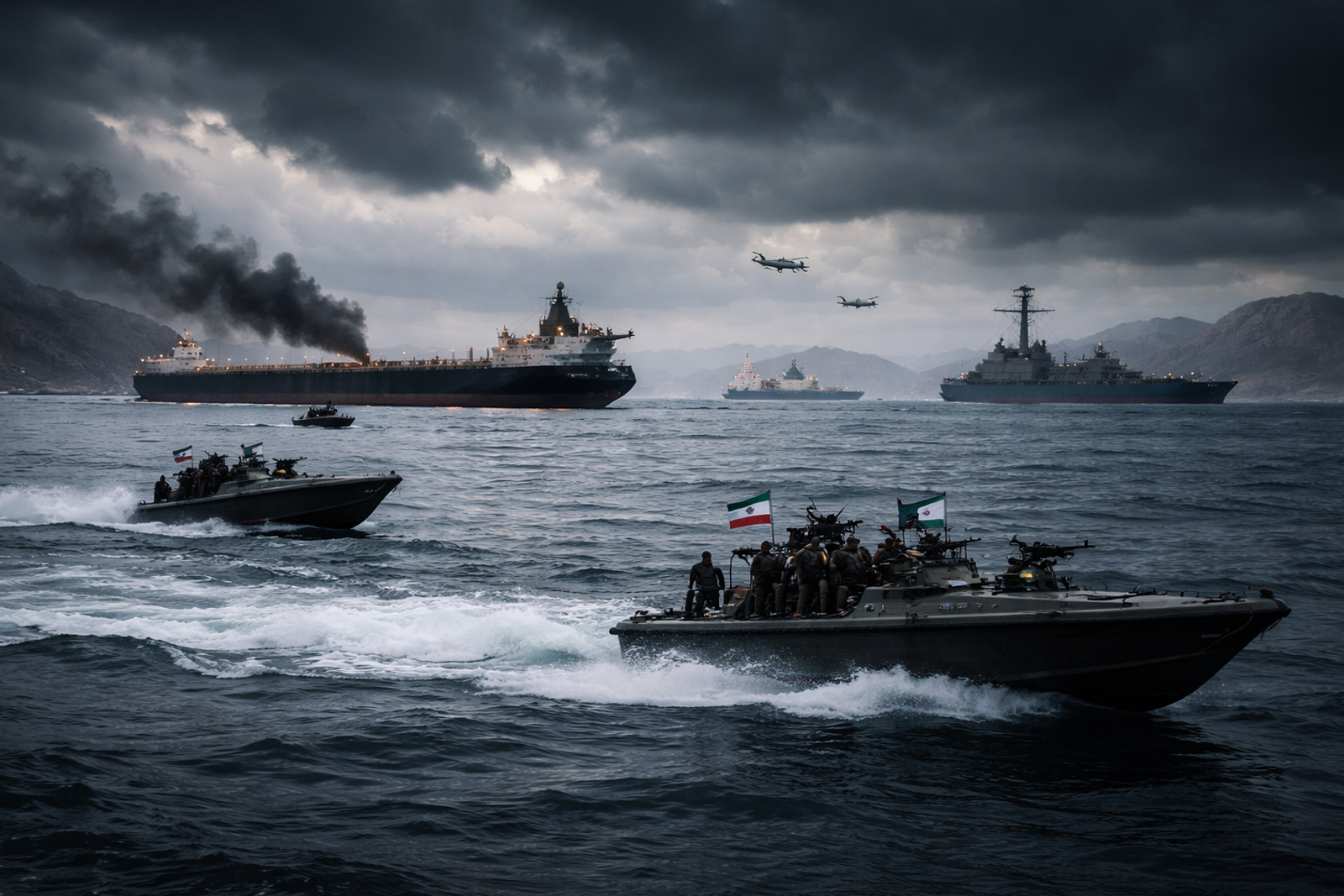
Fresh diplomatic momentum is taking shape in the Middle East as Iran engages in crucial peace negotiations aimed at easing regional tensions. At the same time, claims by Donald Trump that the United States has begun clearing naval mines in the strategically vital Strait of Hormuz have added a new layer of urgency and complexity to the situation.
Any disruption in this region can trigger widespread economic consequences, impacting fuel prices and supply chains worldwide. Against this backdrop, the ongoing talks are being closely monitored by governments, investors, and security analysts alike.
Iran’s decision to participate in peace discussions signals a possible shift toward de-escalation after a prolonged period of friction and uncertainty. Diplomats from multiple countries are believed to be working behind the scenes to facilitate dialogue, reduce military risks, and establish a framework for stability in the region. While no official agreements have been announced yet, the willingness to engage in talks is being viewed as a cautiously positive development.
However, the parallel narrative surrounding mine-clearing operations has raised questions about timing and intent. If confirmed, such actions could indicate preparatory steps to secure maritime routes, but they may also be perceived as provocative by opposing forces. This dual-track scenario—diplomacy on one hand and military readiness on the other—reflects the fragile balance currently defining the crisis.
Experts suggest that the coming days will be critical in determining whether the region moves toward lasting peace or renewed confrontation. Confidence-building measures, transparent communication, and international cooperation will play key roles in shaping the outcome. Any misstep could quickly reverse progress and escalate tensions once again.
For now, the world watches as negotiations unfold alongside strategic maneuvers. The outcome of these talks could not only redefine relations between key players but also influence global economic stability and security for months to come.
The Middle East once again finds itself at the center of global attention as Iran enters a new phase of peace negotiations amid rising tensions in the Strait of Hormuz. The situation has taken on added significance following statements by Donald Trump, who claims that the United States has already initiated operations to clear naval mines in the region. This combination of diplomacy and military signaling underscores the fragile and complex nature of the current crisis.
The Strait of Hormuz remains one of the most critical maritime chokepoints in the world. A significant portion of the global oil supply passes through this narrow stretch of water, making its security essential not just for the Middle East, but for economies across Asia, Europe, and beyond. Any threat to its stability sends shockwaves through global markets, raising concerns over energy prices and trade continuity.
Iran’s participation in ongoing peace talks reflects a potentially important shift in tone. After months of heightened rhetoric and regional friction, the move toward dialogue suggests a willingness to explore diplomatic solutions over confrontation.
Key highlights of the diplomatic push include:
While optimism remains cautious, the mere presence of dialogue channels is a step forward in a region often marked by abrupt escalations.
Understanding the gravity of the situation requires recognizing why the Strait of Hormuz holds such global importance.
Because of these factors, even minor developments in the region can trigger widespread international concern.
The assertion by Donald Trump regarding US-led mine-clearing operations introduces a parallel narrative to the peace talks. While such actions may be framed as precautionary, they carry deeper strategic implications.
This dual-track approach—diplomacy alongside strategic maneuvering—illustrates the delicate balance being maintained.
The developments have drawn strong reactions from around the world, particularly from countries dependent on energy imports.
For many economies, stability in the Strait of Hormuz is not just a regional issue but a global necessity.
Despite the positive signs, several obstacles could hinder progress in the negotiations.
These challenges highlight the need for sustained commitment and careful diplomacy.
As events continue to unfold, several potential outcomes can be anticipated:
Each scenario carries significant implications for global politics and economic stability.
A key factor in determining the outcome will be the level of international cooperation. Global powers and regional stakeholders must work together to support dialogue and avoid actions that could inflame tensions.
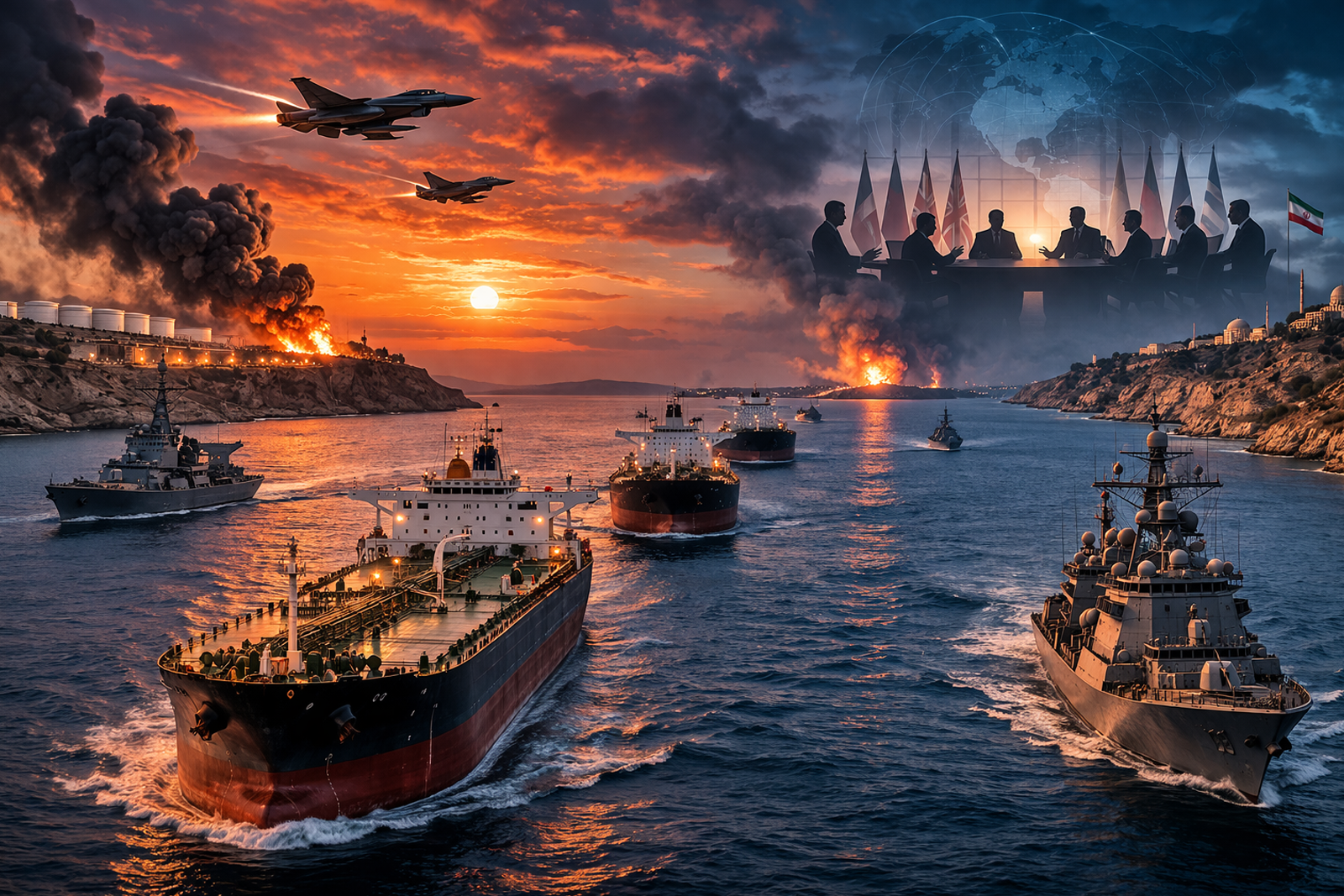
The convergence of peace talks and strategic military developments in the Strait of Hormuz marks a defining moment for the Middle East. While the path to stability remains uncertain, the current situation presents both risk and opportunity.
Diplomacy offers a chance to reset relationships and establish a more secure regional order. At the same time, military preparedness continues to shape perceptions and influence decisions. The coming days will be critical in determining whether dialogue prevails over discord.
For the global community, the stakes could not be higher. The outcome of these developments will not only impact regional peace but also shape the future of international trade, energy security, and geopolitical balance.
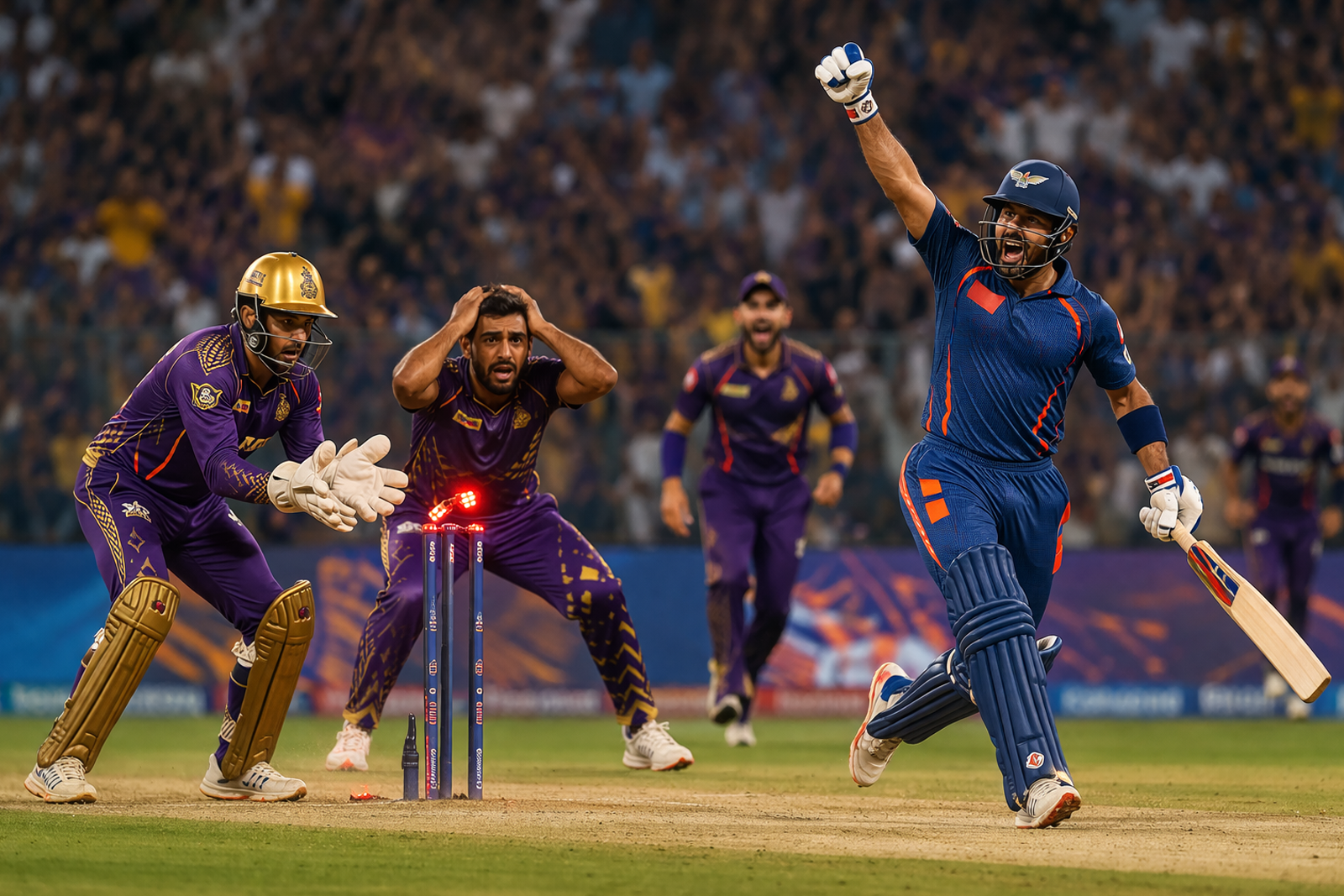

In today’s world of endless choices and digital noise, marketing is no longer just about promoting products — it’s about creating meaningful connections. Successful brands focus on building relationships rather than chasing transactions. Marketing that connects transforms audiences into loyal communities by earning their trust, understanding their needs, and delivering genuine value. When businesses prioritize people over promotions, marketing becomes more than strategy — it becomes a relationship built to last.
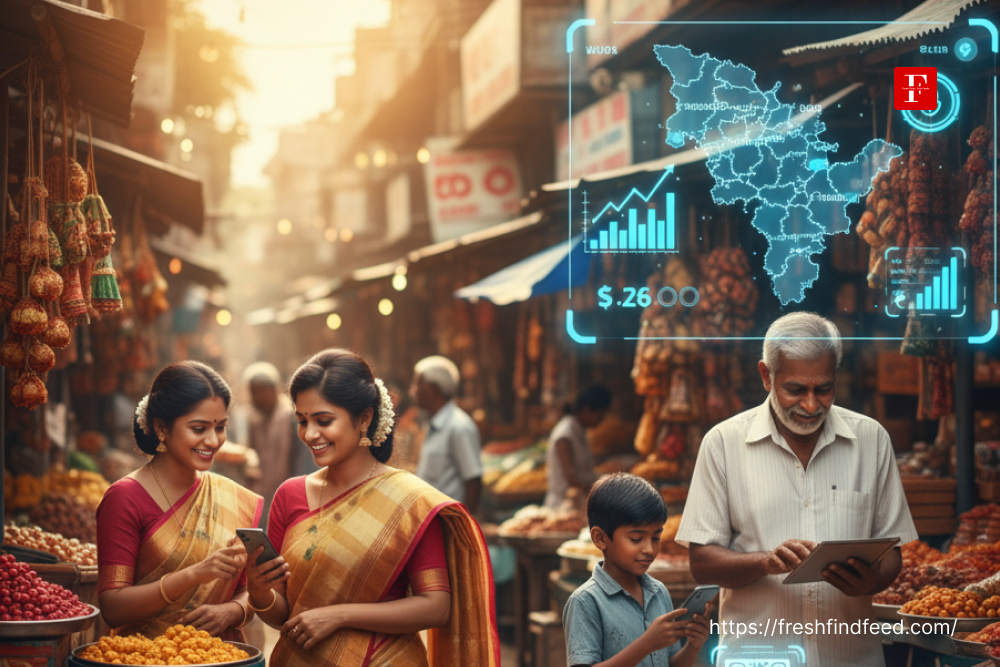
Odisha’s small businesses are entering a new era — where mobile apps, online payments, and e-commerce aren’t luxuries, but lifelines for growth and survival.

As India enters the second phase of its digital revolution, artificial intelligence and automation are not just transforming industries—they’re redefining what it means to work, earn, and adapt.

The conference brought together officials from ten central districts, including district collectors, tehsildars, registrars, and welfare officers, either virtually or in person.

We glorified sleepless nights, burnout, and exhaustion as signs of ambition. But when did working yourself to the edge become the definition of success?

Not everyone who thrives in tech writes code. Some design the very experiences that make technology human.




Leave Comments