- Loading...
- Loading...


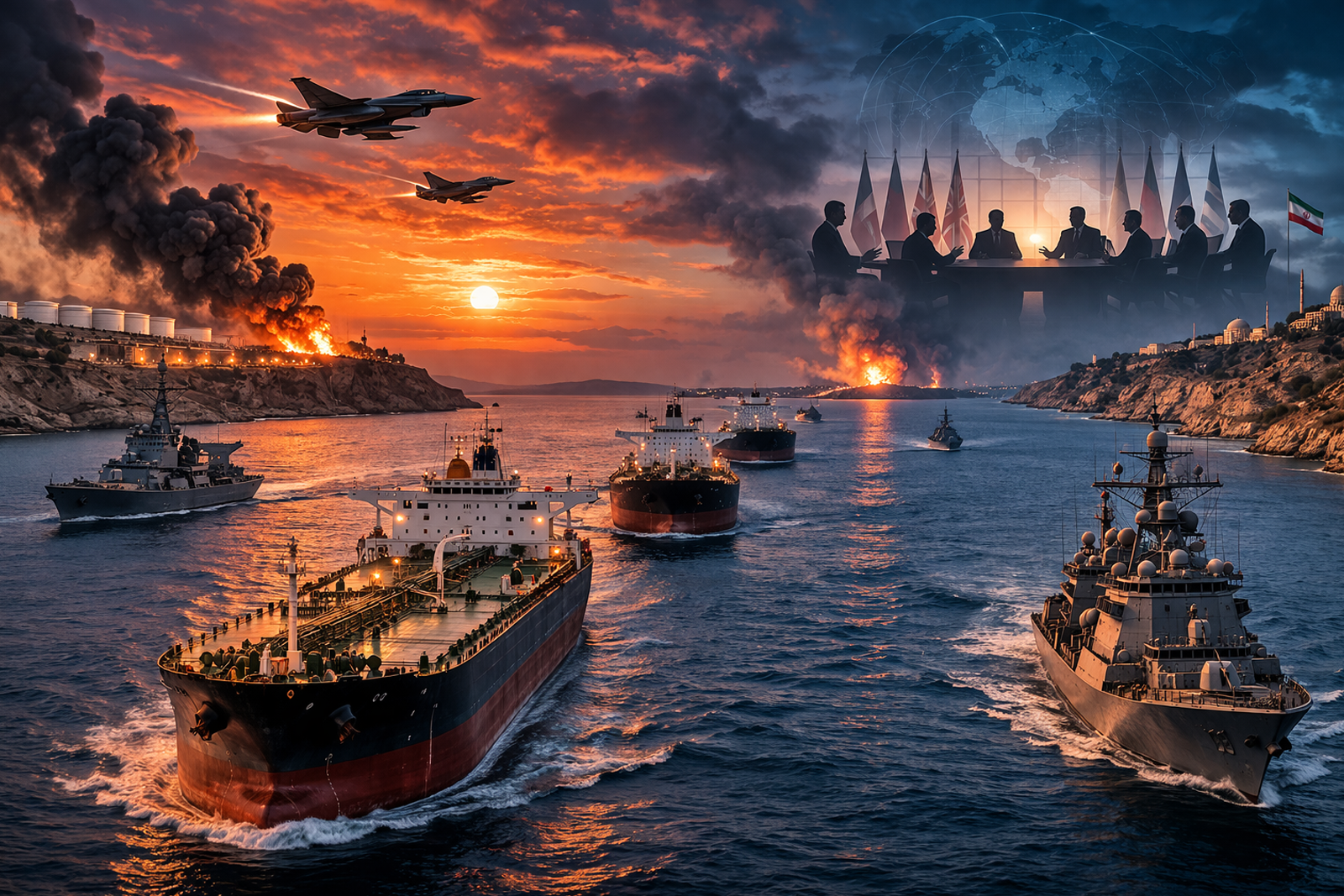
The escalating conflict between Iran and Israel is rapidly reshaping geopolitical dynamics in the Middle East, with global attention now fixed on the security of the Strait of Hormuz. As one of the world’s most critical oil transit chokepoints, any disruption in this narrow passage threatens to send shockwaves across international energy markets. In response to rising tensions, the United Kingdom has announced plans to convene urgent diplomatic talks next week, aiming to prevent further escalation and ensure maritime stability.
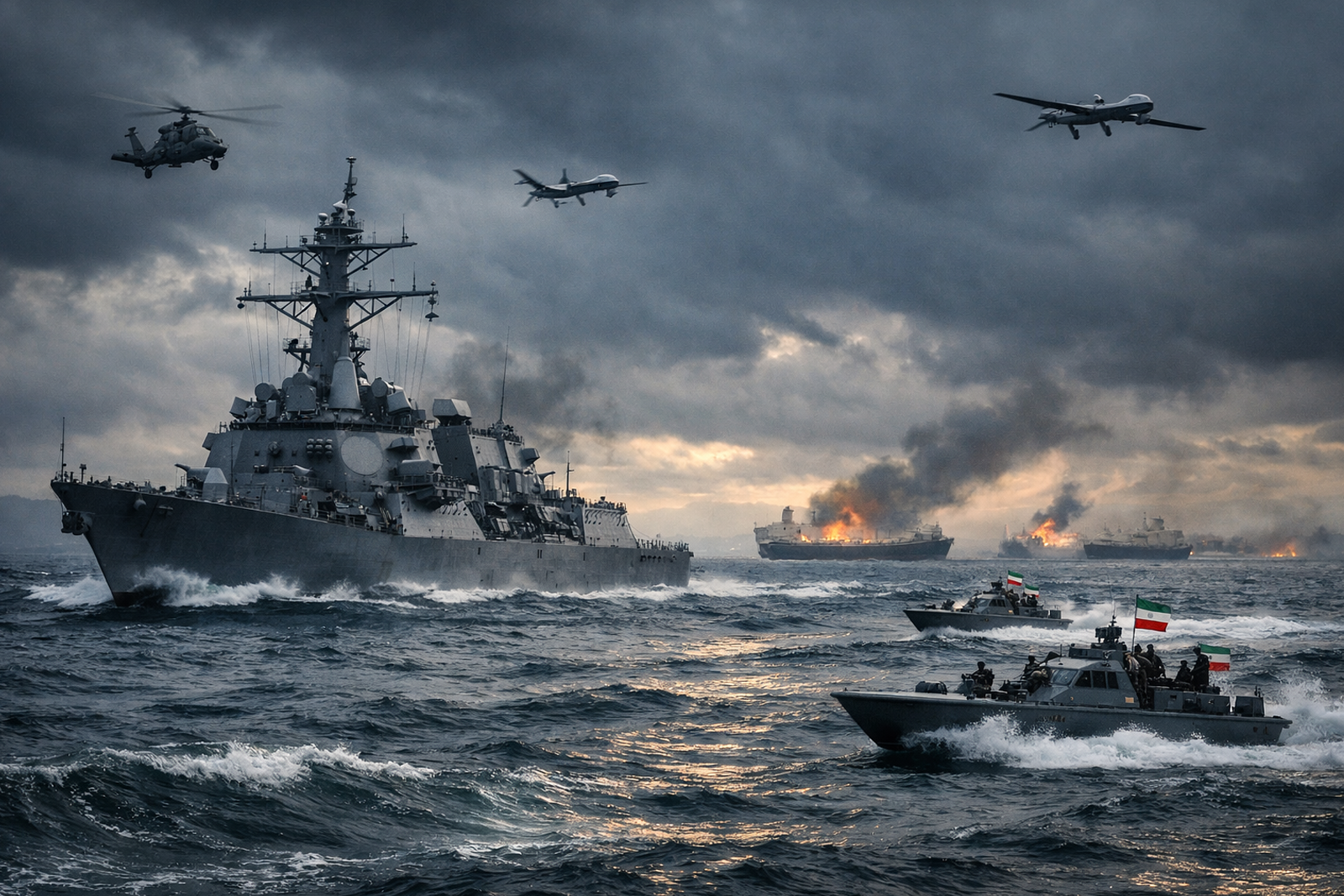
Recent developments have heightened fears of a broader regional confrontation. Military posturing, increased naval presence, and strong rhetoric from both sides have created an atmosphere of uncertainty. The Strait of Hormuz, through which a significant portion of the world’s oil supply passes daily, has once again become a focal point of strategic concern. Even the slightest disruption in this corridor could trigger spikes in oil prices and impact economies worldwide.
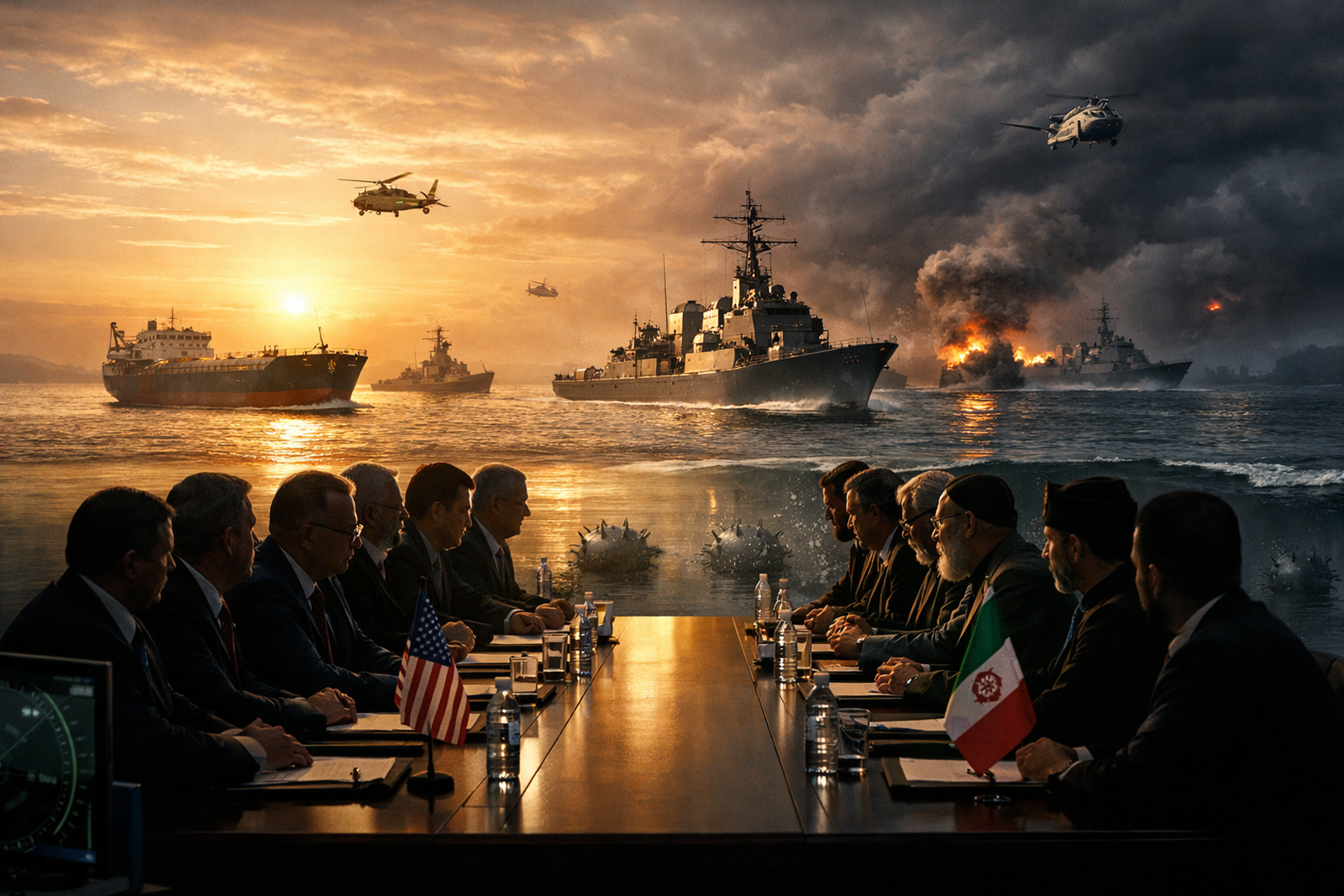
The UK’s initiative reflects growing international pressure to de-escalate the situation through dialogue rather than confrontation. Officials are expected to engage key global stakeholders, including regional powers and allied nations, to find a balanced approach that ensures freedom of navigation while addressing security concerns. Diplomatic channels are being prioritized to avoid miscalculations that could lead to unintended conflict.
Meanwhile, global markets are reacting cautiously. Energy traders are closely monitoring developments, with oil prices showing signs of volatility. Governments across Europe and Asia are also reviewing contingency plans to mitigate potential supply disruptions. The situation underscores how interconnected global stability is with developments in the Middle East.
Experts believe that sustained diplomatic engagement will be crucial in the coming days. While military tensions remain high, the success of upcoming talks could play a decisive role in shaping the trajectory of the crisis. A coordinated international response may help ease tensions and safeguard one of the world’s most vital economic lifelines.
As the situation unfolds, the world watches closely, hoping that diplomacy will prevail over conflict in a region where the stakes have rarely been higher.
The intensifying conflict between Iran and Israel is entering a critical phase, drawing global concern not only for regional stability but also for its far-reaching economic consequences. At the heart of this growing crisis lies the Strait of Hormuz, a narrow yet immensely vital maritime corridor through which nearly a fifth of the world’s oil supply flows. With fears mounting over its security, the United Kingdom has stepped forward to convene high-level talks aimed at defusing tensions and ensuring uninterrupted trade.
The upcoming diplomatic discussions are expected to bring together key international stakeholders, reflecting the urgency of the situation. As military signals grow stronger and rhetoric sharpens, the global community is increasingly aware that any disruption in this strategic passage could trigger a chain reaction affecting energy prices, supply chains, and geopolitical alliances.
The Strait of Hormuz is more than just a waterway—it is a lifeline for the global economy. Its strategic importance cannot be overstated, especially in times of conflict.
With tensions rising, even the possibility of restricted access has begun to unsettle global markets.
The conflict between Iran and Israel has seen a steady escalation, moving beyond covert operations into more direct confrontations. Increasing military preparedness, cyber activities, and strategic warnings from both sides have created an unpredictable environment.
This evolving situation has elevated the risk level in the region, making diplomatic intervention more critical than ever.
The United Kingdom’s decision to convene talks reflects a proactive attempt to stabilize the situation before it spirals out of control. As a key global player with strong diplomatic ties, the UK aims to act as a mediator and facilitator of constructive dialogue.
The talks are expected to focus not just on immediate tensions but also on long-term mechanisms to prevent future crises.
The ripple effects of instability in the Strait of Hormuz extend far beyond the Middle East. Economies across continents are closely watching developments, aware that even minor disruptions could have significant consequences.
Countries heavily dependent on oil imports, particularly in Asia and Europe, are already considering contingency strategies.
The current situation presents two possible paths: escalation through military confrontation or resolution through diplomacy. While military readiness remains high, global leaders are emphasizing the importance of dialogue.
The UK-led talks aim to steer the situation toward the latter, though success will depend on cooperation from all parties involved.
The responsibility of maintaining stability does not rest solely on the UK. Other global powers and organizations are expected to play crucial roles in supporting diplomatic efforts.
A coordinated approach will be essential to ensure that tensions are managed effectively.
The coming days will be decisive in determining the direction of this crisis. The success or failure of the UK-led talks could shape not only the Iran-Israel conflict but also the broader geopolitical landscape.
While optimism remains cautious, the emphasis on dialogue offers a glimmer of hope.
The situation surrounding the Strait of Hormuz underscores how regional conflicts can have global repercussions. As tensions between Iran and Israel continue to rise, the urgency for diplomatic solutions becomes more apparent. The United Kingdom’s initiative to convene talks represents a critical step toward de-escalation, but the path ahead remains uncertain.
In a world deeply interconnected through trade and energy networks, maintaining stability in key regions is not just a regional priority—it is a global necessity. The outcome of these discussions will be closely watched, as nations hope for a resolution that ensures peace, security, and economic continuity.

In today’s world of endless choices and digital noise, marketing is no longer just about promoting products — it’s about creating meaningful connections. Successful brands focus on building relationships rather than chasing transactions. Marketing that connects transforms audiences into loyal communities by earning their trust, understanding their needs, and delivering genuine value. When businesses prioritize people over promotions, marketing becomes more than strategy — it becomes a relationship built to last.

Odisha’s small businesses are entering a new era — where mobile apps, online payments, and e-commerce aren’t luxuries, but lifelines for growth and survival.

As India enters the second phase of its digital revolution, artificial intelligence and automation are not just transforming industries—they’re redefining what it means to work, earn, and adapt.

The conference brought together officials from ten central districts, including district collectors, tehsildars, registrars, and welfare officers, either virtually or in person.

We glorified sleepless nights, burnout, and exhaustion as signs of ambition. But when did working yourself to the edge become the definition of success?

Not everyone who thrives in tech writes code. Some design the very experiences that make technology human.




Leave Comments