- Loading...
- Loading...


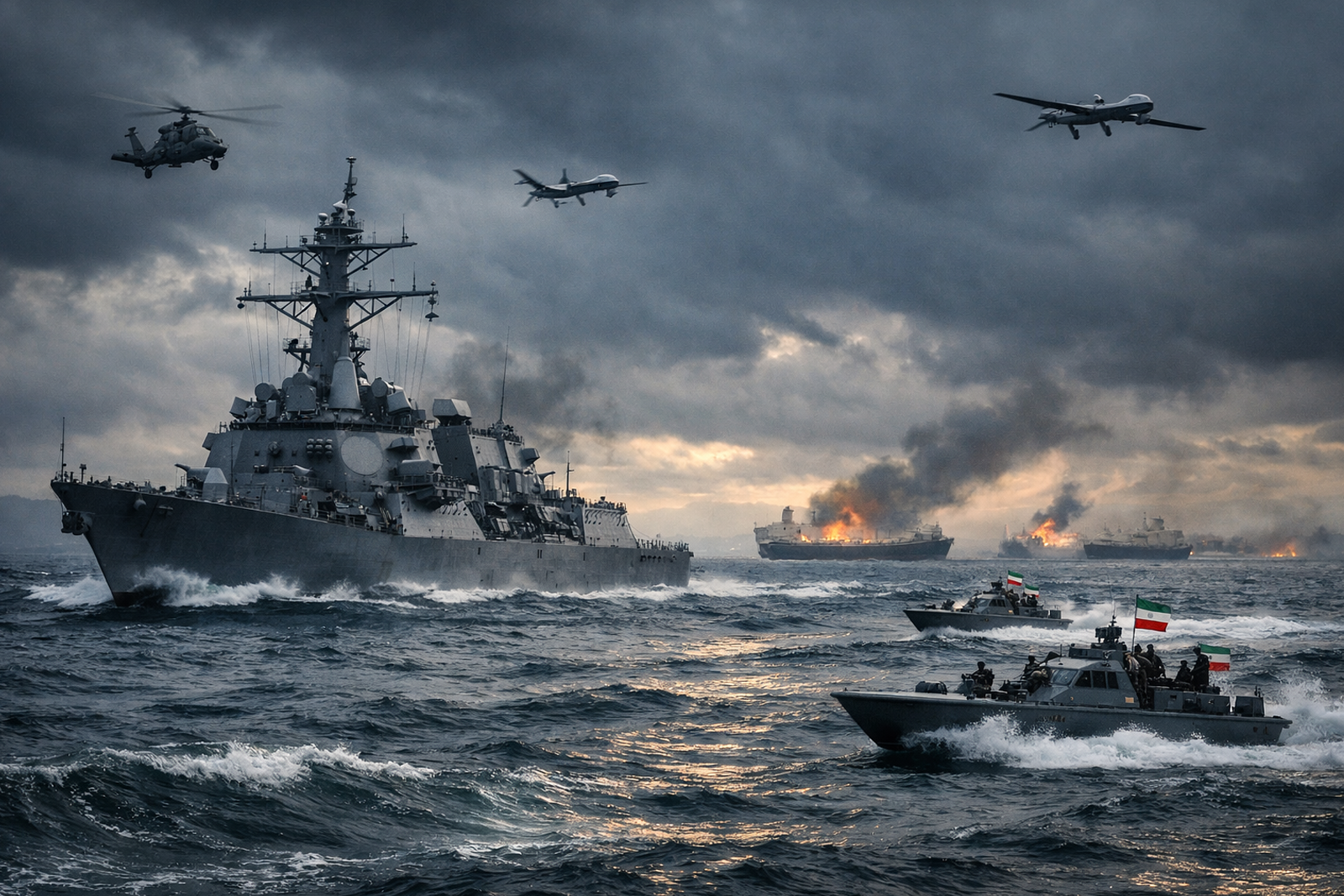
The Middle East is once again at the center of global attention as tensions escalate around the strategically vital Strait of Hormuz. Iran’s chief negotiator has issued a firm warning, stating that the country “will not bow to any threats,” signaling a hardening stance amid increasing international pressure. Meanwhile, Donald Trump has indicated that the United States could enforce a naval blockade in the region, a move that could significantly reshape geopolitical dynamics.
The Strait of Hormuz is one of the world’s most critical maritime chokepoints, through which nearly a fifth of global oil supply passes. Any disruption in this narrow passage can trigger immediate ripple effects across global markets, particularly impacting fuel prices and energy security. The current standoff has already sparked concerns among major economies that rely heavily on oil imports from the Gulf region.
Iran’s leadership has taken a strong and uncompromising stance, emphasizing sovereignty and resistance against external pressure. Officials have reiterated that any aggressive move, including a blockade, would be met with firm retaliation. This rhetoric reflects Tehran’s broader strategy of projecting strength while navigating ongoing diplomatic challenges.
On the other side, the United States appears prepared to adopt a more assertive approach. Statements attributed to Donald Trump suggest that Washington is considering measures to limit Iran’s influence in the region. A naval blockade, if implemented, would mark a significant escalation and could draw in multiple global powers, further complicating the situation.
The unfolding developments are being closely monitored worldwide. Energy markets are already reacting to the uncertainty, with potential for price volatility. Additionally, the risk of military confrontation raises alarms about regional stability, international trade disruptions, and humanitarian consequences.
As diplomatic channels struggle to keep pace with rising tensions, the situation in the Strait of Hormuz remains highly volatile. The coming days will be crucial in determining whether dialogue can prevail or if the region edges closer to a broader conflict.
The Middle East has entered another period of heightened uncertainty as tensions rise sharply around the Strait of Hormuz. Iran’s top negotiator has delivered a firm message, declaring that the nation will not surrender to external threats under any circumstances. At the same time, Donald Trump has indicated that the United States could deploy its naval power to impose a blockade in the region. These developments have intensified fears of a broader geopolitical confrontation that could reshape global stability.
Positioned between the Persian Gulf and the Gulf of Oman, it serves as the main transit route for oil exports from major producers such as Saudi Arabia, Iraq, and the UAE.
Key points:
Because of its importance, any military or political tension in this region instantly becomes a matter of international concern.
Iran’s leadership has adopted a firm and uncompromising tone in response to recent developments. The statement that the country “will not bow to any threats” reflects not just defiance but also a calculated diplomatic message.
Key points:
Tehran’s approach suggests that it is prepared for both diplomatic engagement and strategic confrontation if necessary.
On the opposing side, the United States appears ready to assert its influence in the region. Signals of a potential naval blockade indicate a willingness to apply direct pressure on Iran.
Key points:
The involvement of Donald Trump in such statements adds political weight, reflecting a broader hardline stance toward Iran’s regional role.
The current situation carries significant military risks. The presence of naval forces in a narrow and heavily trafficked waterway increases the chances of miscalculation.
Key points:
Even a small incident could spiral into a larger conflict, drawing in multiple countries.
Energy markets are among the first to react to instability in the Strait of Hormuz. Traders and governments alike are closely watching the situation.
Key points:
For countries in Asia, including India, any disruption could significantly affect fuel costs and economic planning.
While tensions rise, diplomatic channels remain active. Global powers are urging restraint and encouraging dialogue to prevent escalation.
Key points:
However, progress remains uncertain as both sides maintain firm positions.
Beyond oil, the Strait of Hormuz is a key route for international trade. A blockade or conflict could disrupt shipping lanes and increase costs.
Key points:
Businesses and industries worldwide could feel the ripple effects.
The Middle East is already a complex region with multiple ongoing conflicts and alliances. Rising tensions in the Strait of Hormuz add another layer of instability.
Key points:
Regional stability depends heavily on how this situation unfolds in the coming days.
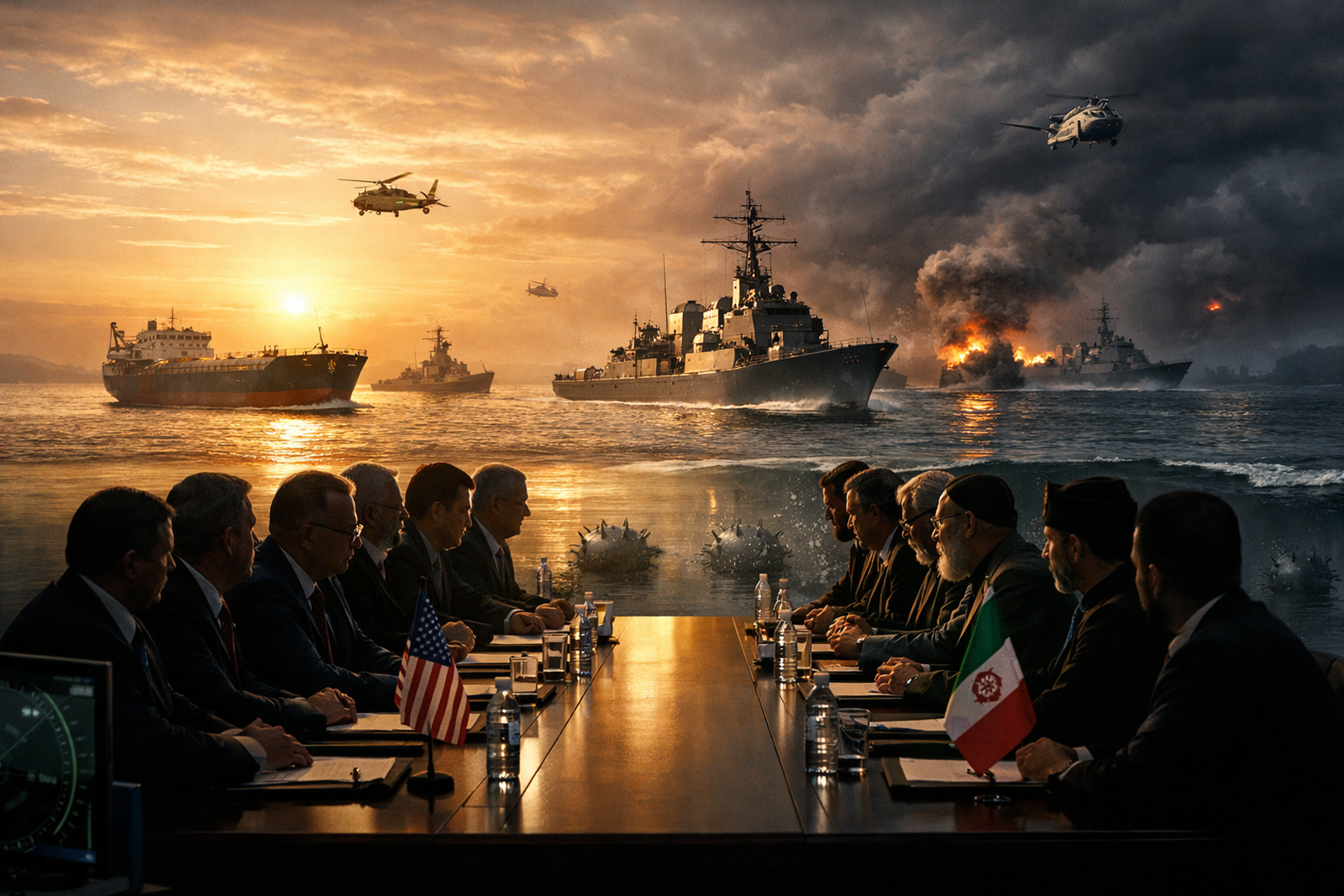
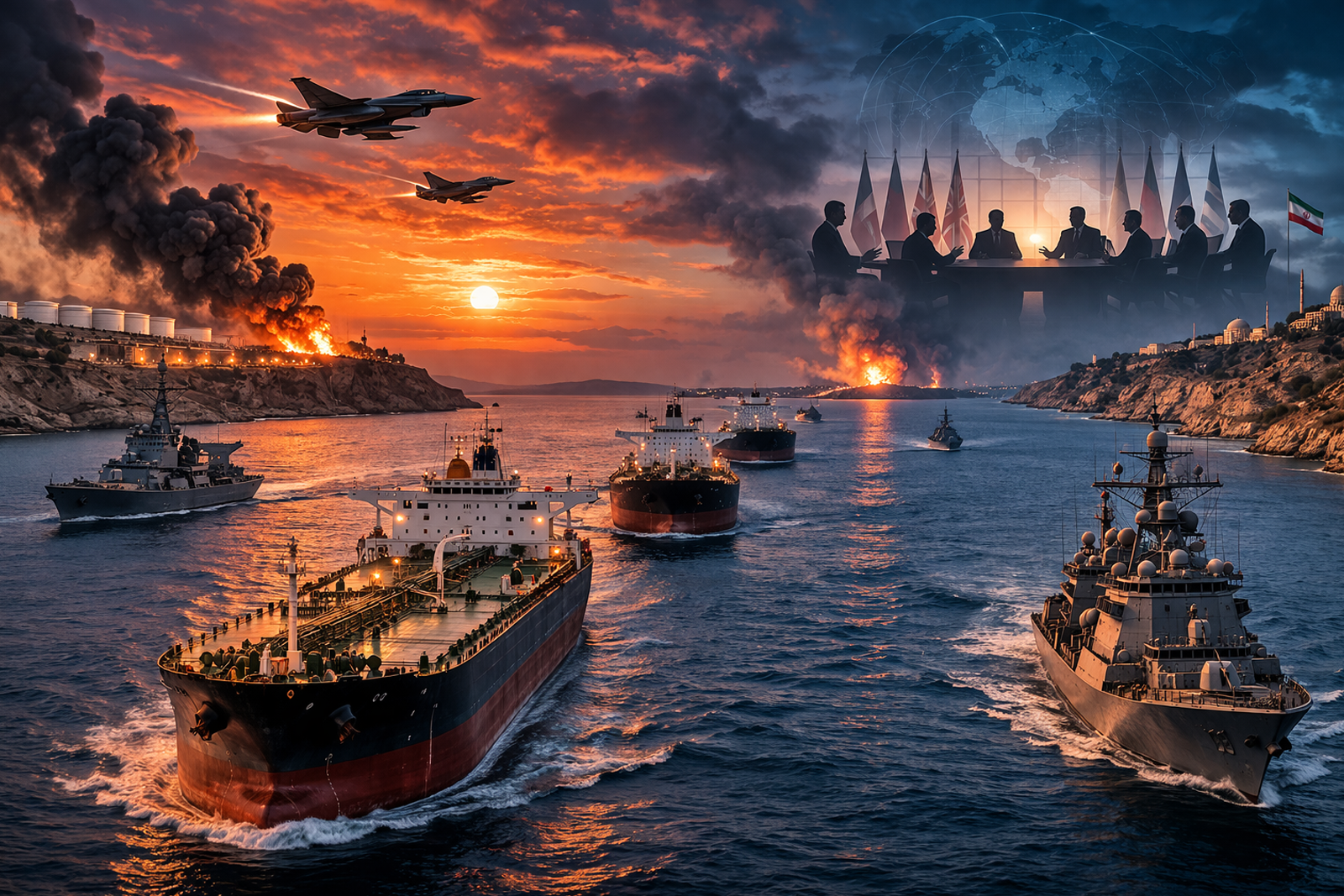
The crisis in the Strait of Hormuz represents a critical moment in international relations. With strong statements from Iran and assertive signals from the United States, the risk of escalation remains high.
Key points:
As the world watches closely, the next steps taken by both sides will determine whether this crisis leads to confrontation or resolution. The balance between power, diplomacy, and restraint will shape not only the future of the Middle East but also the stability of the global order.


In today’s world of endless choices and digital noise, marketing is no longer just about promoting products — it’s about creating meaningful connections. Successful brands focus on building relationships rather than chasing transactions. Marketing that connects transforms audiences into loyal communities by earning their trust, understanding their needs, and delivering genuine value. When businesses prioritize people over promotions, marketing becomes more than strategy — it becomes a relationship built to last.
Odisha’s small businesses are entering a new era — where mobile apps, online payments, and e-commerce aren’t luxuries, but lifelines for growth and survival.

As India enters the second phase of its digital revolution, artificial intelligence and automation are not just transforming industries—they’re redefining what it means to work, earn, and adapt.

The conference brought together officials from ten central districts, including district collectors, tehsildars, registrars, and welfare officers, either virtually or in person.

We glorified sleepless nights, burnout, and exhaustion as signs of ambition. But when did working yourself to the edge become the definition of success?

Not everyone who thrives in tech writes code. Some design the very experiences that make technology human.




Leave Comments