- Loading...
- Loading...



In a significant diplomatic development, Pakistan’s capital Islamabad is preparing to host a high-stakes round of peace negotiations between the United States and Iran. The proposed talks come at a time of heightened geopolitical tension in the Middle East, with both nations seeking a possible pathway to de-escalation after years of strained relations. Pakistan’s role as a neutral facilitator underscores its growing importance in global diplomacy.
Sources suggest that senior officials and influential policymakers from both sides are expected to participate in the discussions. The United States delegation may include top diplomatic envoys and strategic advisors close to the current administration, while Iran is likely to send experienced negotiators and political leaders with deep knowledge of regional security dynamics. Pakistan’s leadership will act as mediators, ensuring that dialogue remains constructive and focused.
The primary agenda of the Islamabad talks is expected to revolve around reducing military tensions, revisiting nuclear commitments, and addressing regional conflicts that have intensified mistrust. Issues such as sanctions relief, maritime security, and proxy conflicts in the Middle East are also likely to be discussed. Observers believe that even a small breakthrough could have far-reaching implications for global stability.
Hosting these talks places Pakistan in a pivotal diplomatic position. By facilitating communication between two long-standing adversaries, Islamabad aims to strengthen its international image as a peace broker. The initiative also reflects Pakistan’s broader foreign policy strategy of promoting dialogue over confrontation in volatile regions.
The outcome of these negotiations could significantly impact international relations, energy markets, and security frameworks. A positive development may ease tensions in critical regions such as the Persian Gulf, while failure to reach consensus could prolong uncertainty. Analysts are cautiously optimistic, noting that the willingness of both sides to engage in dialogue is itself a meaningful step forward.
As the world watches closely, the Islamabad peace talks may mark the beginning of a new chapter in US–Iran relations, with diplomacy taking center stage over conflict.
In a potentially historic diplomatic move, Pakistan’s capital Islamabad is preparing to host a new round of peace negotiations between the United States and Iran. The meeting is being closely watched by global powers, as it could open the door to reducing long-standing hostility between the two nations. With tensions in the Middle East affecting global security and energy markets, this initiative carries significant international importance.
The relationship between the United States and Iran has remained tense for decades, marked by political disagreements, economic sanctions, and occasional military confrontations. Disputes over Iran’s nuclear ambitions, regional influence, and strategic alliances have further complicated diplomatic efforts. Previous agreements, including nuclear deals, have seen periods of progress followed by setbacks, leaving trust between the two sides fragile.
Pakistan’s selection as the host country reflects its balanced diplomatic ties with both Washington and Tehran. Islamabad has maintained communication channels with both nations and is seen as a neutral ground where sensitive discussions can take place without excessive external pressure.
Key reasons include:
By hosting the talks, Pakistan aims to position itself as a constructive mediator in global conflicts.
Although official confirmations are still awaited, several high-level representatives are expected to attend the negotiations.
From the United States:
From Iran:
From Pakistan:
The presence of such high-ranking delegates indicates the seriousness of the discussions.
The Islamabad talks are expected to cover a wide range of sensitive and complex issues that have defined US–Iran relations.
A major focus will likely be on Iran’s nuclear activities and the possibility of reviving or reshaping earlier agreements. The United States may push for stricter compliance, while Iran could seek guarantees and economic relief.
Sanctions imposed on Iran have had a major impact on its economy. Tehran is expected to demand phased relief, while Washington may link any easing to verifiable commitments.
Conflicts in the Middle East, including proxy wars and military presence in strategic zones, remain a major concern. Both sides may attempt to define limits and reduce indirect confrontations.
The security of key shipping routes, particularly in the Persian Gulf, is vital for global trade. Ensuring safe passage for oil shipments could be a shared priority.
Humanitarian measures, including prisoner swaps and access to medical or financial aid, may be discussed as confidence-building steps.
Despite optimism, several obstacles could hinder progress during the Islamabad talks.
These challenges highlight the complexity of reaching a lasting resolution.
For Pakistan, hosting these talks is more than just a logistical role—it is a chance to strengthen its global standing.
Potential benefits for Pakistan:
Successfully facilitating dialogue could elevate Islamabad’s role in international diplomacy.
The outcome of the US–Iran negotiations could have wide-ranging consequences beyond the two countries.
Even incremental progress could signal a shift toward more stable global relations.
The Islamabad meeting could lead to several potential scenarios:
Each outcome carries different implications for international politics.
As global attention turns toward Islamabad, the upcoming US–Iran talks represent a critical opportunity to shift from confrontation to cooperation. While expectations remain cautious, the willingness of both sides to engage in dialogue signals a possible turning point.
In a world increasingly shaped by geopolitical uncertainty, initiatives like these underscore the enduring importance of diplomacy. Whether the talks lead to a major breakthrough or simply lay the groundwork for future discussions, they mark a meaningful step toward addressing one of the most persistent rivalries in modern international relations.

In today’s world of endless choices and digital noise, marketing is no longer just about promoting products — it’s about creating meaningful connections. Successful brands focus on building relationships rather than chasing transactions. Marketing that connects transforms audiences into loyal communities by earning their trust, understanding their needs, and delivering genuine value. When businesses prioritize people over promotions, marketing becomes more than strategy — it becomes a relationship built to last.
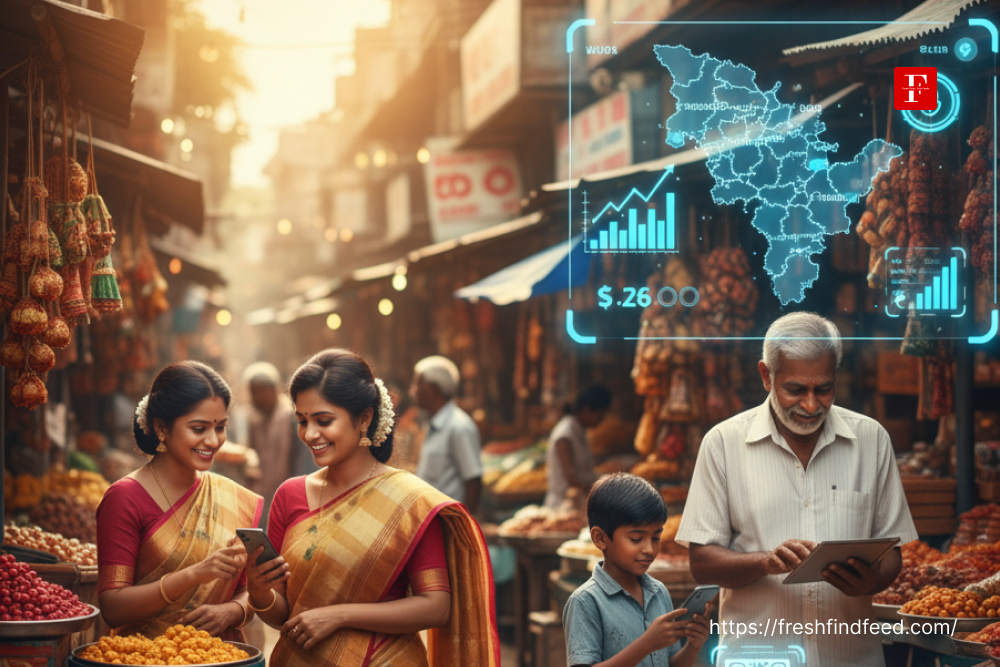
Odisha’s small businesses are entering a new era — where mobile apps, online payments, and e-commerce aren’t luxuries, but lifelines for growth and survival.

As India enters the second phase of its digital revolution, artificial intelligence and automation are not just transforming industries—they’re redefining what it means to work, earn, and adapt.

The conference brought together officials from ten central districts, including district collectors, tehsildars, registrars, and welfare officers, either virtually or in person.

We glorified sleepless nights, burnout, and exhaustion as signs of ambition. But when did working yourself to the edge become the definition of success?

Not everyone who thrives in tech writes code. Some design the very experiences that make technology human.





Leave Comments