- Loading...
- Loading...


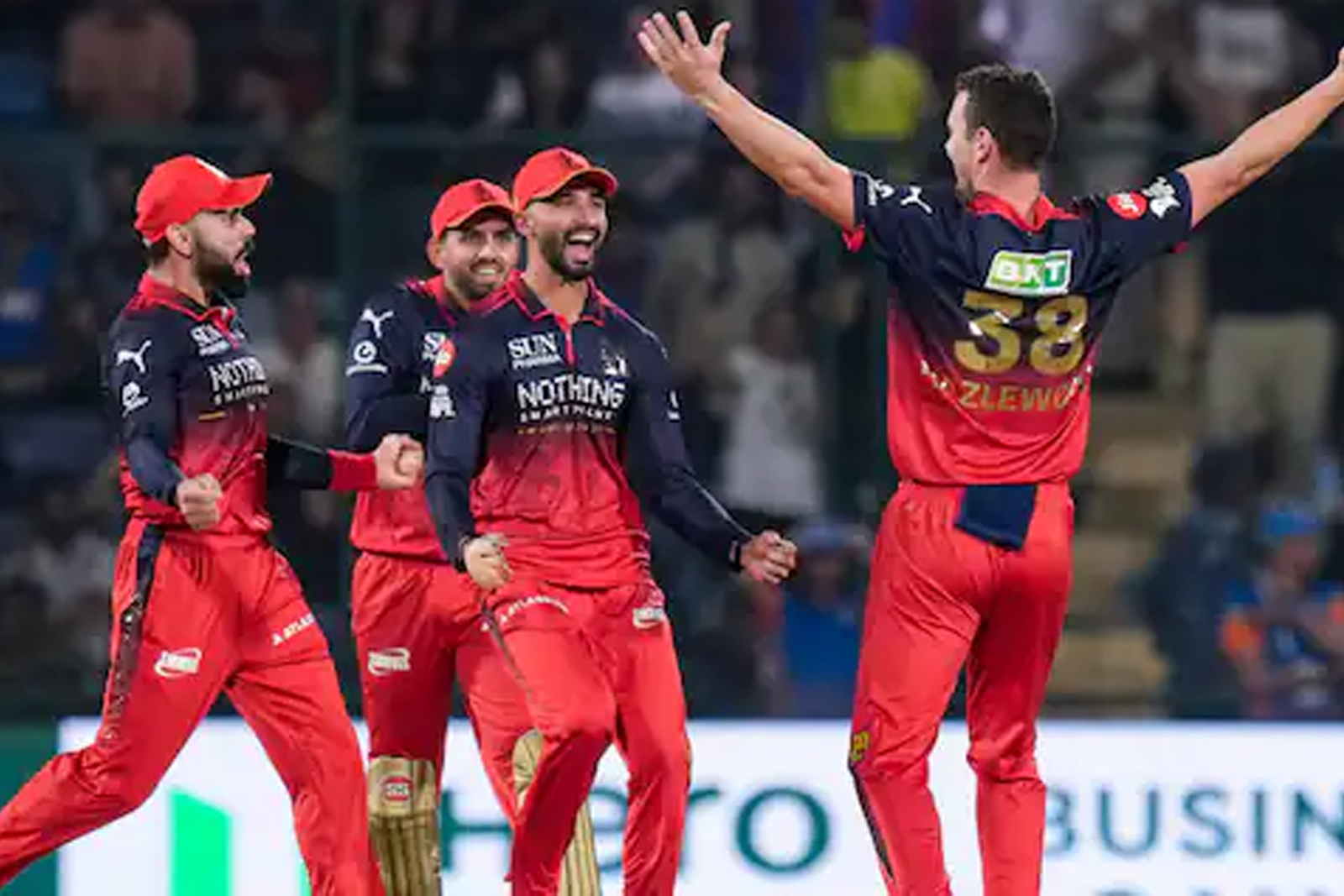
In a match that quickly turned into a showcase of dominance, Royal Challengers Bengaluru outclassed Delhi Capitals on April 27, 2026, with a clinical 9-wicket victory. What was expected to be a competitive encounter instead unfolded as a one-sided affair, largely due to a dramatic collapse in Delhi’s batting lineup.
Batting first, Delhi Capitals struggled to find any momentum from the outset. Early breakthroughs by RCB’s disciplined bowling attack put the hosts under immense pressure. The top order failed to settle, losing wickets at regular intervals, which derailed any hopes of building a substantial total. Despite brief resistance from the middle order, the lack of partnerships proved costly. The team eventually folded for a below-par score, leaving their bowlers with a daunting task ahead.
RCB’s bowlers were the architects of this dominant performance. Maintaining tight lines and exploiting pitch conditions perfectly, they ensured Delhi’s batters never found their rhythm. The pace attack struck early, while the spinners tightened the grip in the middle overs, creating a relentless squeeze. The fielding effort further complemented the bowling unit, with sharp catches and agile ground work adding to Delhi’s woes.
Chasing a modest target, Royal Challengers Bengaluru approached the innings with confidence and composure. Their openers set the tone early, playing with controlled aggression and minimizing risks. Boundaries flowed steadily, and the required run rate was never a concern. Even after losing a single wicket, RCB continued their charge without hesitation.
The chase was wrapped up comfortably with plenty of overs to spare, underlining the gap in performance between the two sides on the day. This emphatic win not only boosts RCB’s position in the tournament standings but also sends a strong message to other teams about their form and intent.
For Delhi Capitals, the defeat raises serious concerns, particularly regarding their batting consistency. They will need to regroup quickly and address their shortcomings if they hope to stay competitive in the ongoing season.
Overall, the match served as a reminder of how quickly fortunes can shift in T20 cricket, where one strong performance can completely overshadow the opposition.
The Indian Premier League continues to deliver unpredictable drama, but the clash on April 27, 2026, between Royal Challengers Bengaluru and Delhi Capitals turned into a lesson in dominance rather than suspense. In a match that many expected to go down to the wire, RCB produced a near-flawless performance to secure a resounding 9-wicket victory, leaving Delhi searching for answers.
Delhi Capitals’ decision to bat first did not yield the desired results. Right from the opening over, their innings lacked stability and direction. The top-order batters, who are usually relied upon to provide a solid foundation, faltered under pressure. Early wickets disrupted their plans and forced the middle order into a rebuilding phase much earlier than expected.
The pitch offered some assistance to bowlers, but it was RCB’s disciplined execution that truly made the difference. Delhi’s batters struggled to rotate the strike and failed to capitalize on loose deliveries. The mounting dot balls created scoreboard pressure, which eventually led to rash shot selections and further wickets.
Despite the early setbacks, there was a brief period where Delhi Capitals attempted to stabilize their innings. A couple of middle-order players showed intent and tried to rebuild with cautious partnerships. However, just as the innings hinted at recovery, RCB struck again.
The lack of a significant partnership proved to be Delhi’s biggest downfall. Every time a batter looked set, a breakthrough followed. This inability to convert starts into impactful scores meant Delhi never truly threatened to post a competitive total.
Royal Challengers Bengaluru’s bowlers deserve full credit for orchestrating the collapse. Their approach was simple yet highly effective—maintain consistent lines, exploit any assistance from the surface, and apply relentless pressure.
This collective effort ensured Delhi Capitals were restricted to a modest total, well below what is generally considered competitive in modern T20 cricket.
Chasing a low target, RCB displayed maturity and composure from the very beginning. Their openers approached the innings with clarity—build a steady platform without taking unnecessary risks.
The batting strategy was evident:
Even after losing one wicket, RCB’s momentum never dipped. The incoming batter seamlessly continued the chase, ensuring there were no hiccups along the way.
Several moments defined the outcome of this one-sided contest:
This victory is more than just two points for RCB—it is a statement of intent. The team showcased balance, discipline, and confidence in all departments.
If RCB continues to perform with this level of consistency, they could emerge as serious contenders for the title this season.
For Delhi Capitals, this loss exposes several areas that require urgent attention.
They will need to regroup quickly, reassess their strategies, and make necessary adjustments to stay competitive in the tournament.
Matches like this highlight the unpredictable nature of the IPL, where momentum can shift dramatically within a few overs. A strong start or a sudden collapse often determines the outcome, leaving little room for recovery.
This game serves as a reminder that T20 cricket demands not just skill, but also mental resilience and adaptability. Teams that can handle pressure and execute their plans consistently are the ones that succeed.
The April 27 encounter between Royal Challengers Bengaluru and Delhi Capitals will be remembered as a match where one team executed their plans to perfection while the other faltered under pressure. RCB’s clinical performance with both bat and ball ensured a comfortable victory, reinforcing their position as a formidable side in IPL 2026.
For Delhi Capitals, it is a wake-up call—one that highlights the need for immediate improvement. As the tournament progresses, both teams will look to build on this result in very different ways—RCB aiming to maintain momentum, and Delhi striving to bounce back stronger.


In today’s world of endless choices and digital noise, marketing is no longer just about promoting products — it’s about creating meaningful connections. Successful brands focus on building relationships rather than chasing transactions. Marketing that connects transforms audiences into loyal communities by earning their trust, understanding their needs, and delivering genuine value. When businesses prioritize people over promotions, marketing becomes more than strategy — it becomes a relationship built to last.

Odisha’s small businesses are entering a new era — where mobile apps, online payments, and e-commerce aren’t luxuries, but lifelines for growth and survival.

As India enters the second phase of its digital revolution, artificial intelligence and automation are not just transforming industries—they’re redefining what it means to work, earn, and adapt.

The conference brought together officials from ten central districts, including district collectors, tehsildars, registrars, and welfare officers, either virtually or in person.

We glorified sleepless nights, burnout, and exhaustion as signs of ambition. But when did working yourself to the edge become the definition of success?

Not everyone who thrives in tech writes code. Some design the very experiences that make technology human.




Leave Comments