- Loading...
- Loading...


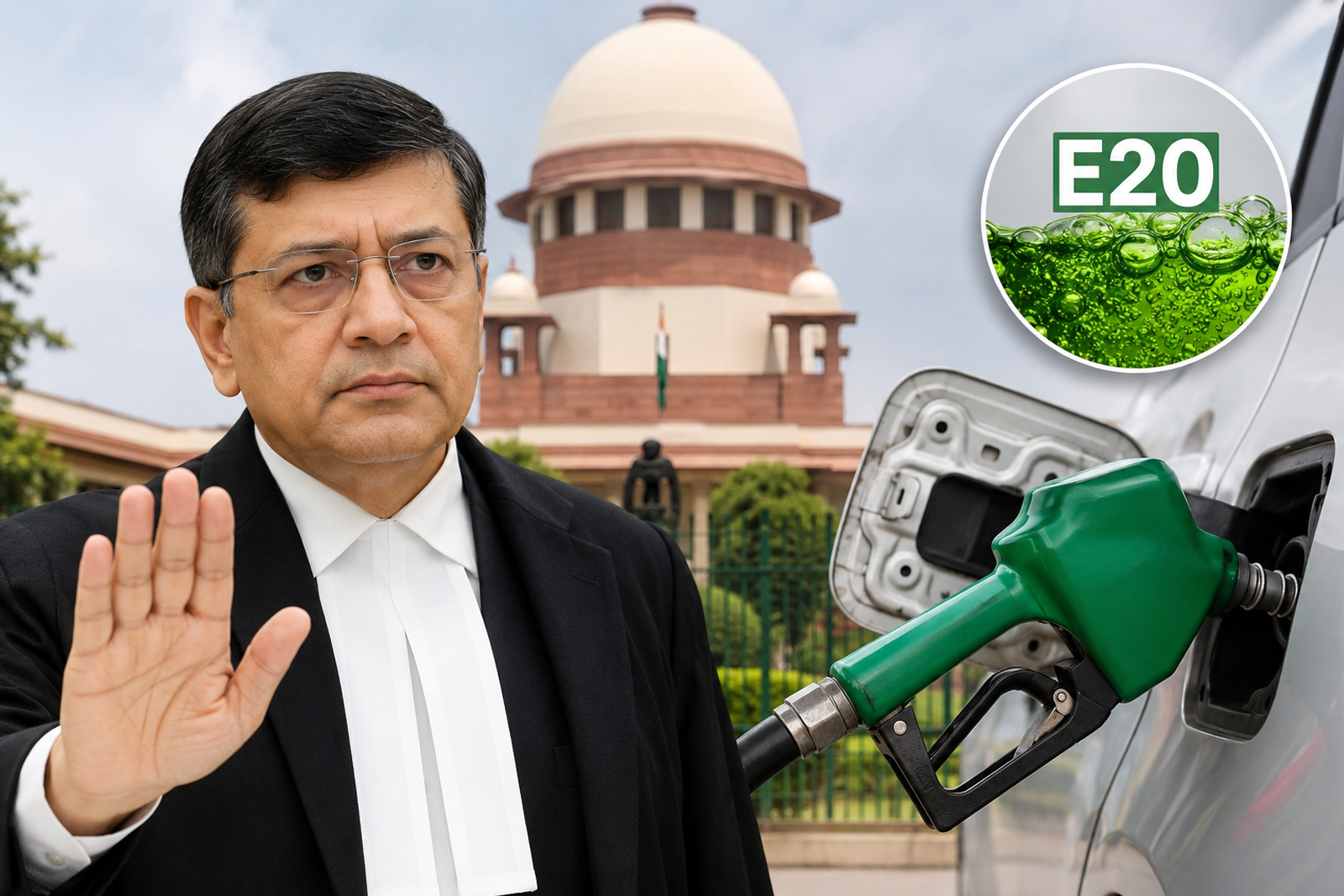
The clarification came after several reports suggested that the government's legal representative had characterized the nationwide rollout of E20 fuel as a trial initiative. According to the Attorney General, these claims do not reflect what was presented before the bench and have created unnecessary confusion among the public.
The Attorney General emphasized the importance of responsible reporting, especially on matters that involve court proceedings and national policy. Legal submissions made before constitutional courts carry significant implications, and any incorrect interpretation can lead to misinformation.
Officials reiterated that statements attributed to the Attorney General should be verified against the official court record instead of relying on selective or incomplete accounts. The clarification aims to ensure that the public receives factual information regarding the ongoing legal proceedings.
The E20 petrol programme involves blending 20 percent ethanol with petrol as part of India's broader strategy to reduce dependence on imported crude oil, lower carbon emissions, and promote cleaner fuels. The initiative also supports the agricultural sector by increasing demand for ethanol produced from crops such as sugarcane and maize.
The programme has been introduced in phases across the country, with the government encouraging automobile manufacturers and fuel retailers to prepare vehicles and infrastructure for higher ethanol blends.
The Supreme Court is hearing matters related to the implementation of the E20 fuel programme, making accuracy in reporting the proceedings especially important. While legal challenges and policy discussions continue, government officials maintain that the programme is based on scientific studies, technical assessments, and long-term environmental goals.
The Attorney General's clarification seeks to dispel speculation surrounding the case and reaffirm that the government's position before the Supreme Court has not been misrepresented. As the proceedings continue, stakeholders are expected to rely on official court records and verified statements for updates rather than unconfirmed media reports.
Calling the reports factually incorrect, the country's highest law officer clarified that no such statement was made during the hearing. The clarification comes amid growing public discussion over India's ethanol-blended fuel policy and the legal scrutiny surrounding its implementation.
The statement aims to correct what the Attorney General described as a misleading interpretation of the court proceedings. Officials have urged the public and media organizations to rely on authentic court records rather than speculative or incomplete reports.
The controversy began after reports suggested that the Attorney General had informed the Supreme Court that the E20 petrol programme was experimental in nature. Responding to these claims, the Attorney General categorically denied making any such submission.
According to the clarification, the reports misrepresented the arguments presented before the court. The Attorney General stated that attributing statements that were never made not only creates confusion but also affects public understanding of an important national policy.
The clarification underscores the importance of accurately reporting judicial proceedings, where even minor inaccuracies can significantly alter public perception.
Legal proceedings before the Supreme Court often involve complex arguments that require careful interpretation. Any incorrect reporting of submissions made during hearings can influence public opinion and create unnecessary controversy.
The Attorney General's statement seeks to ensure that discussions surrounding the E20 petrol programme remain based on verified facts instead of assumptions.
Experts believe that court reporting demands a high level of accuracy because judicial observations and legal arguments frequently become part of broader public policy debates.
The E20 petrol programme refers to fuel containing 20 percent ethanol blended with conventional petrol. The initiative forms a major component of India's long-term energy strategy aimed at reducing dependence on imported crude oil while encouraging the use of renewable fuels.
Ethanol is produced from agricultural feedstocks such as sugarcane, maize, damaged food grains, and other approved biomass sources. Increasing ethanol blending offers multiple economic and environmental benefits.
Some of the primary objectives include:
The government has gradually expanded ethanol blending over the past several years through phased implementation.
The E20 initiative is part of a broader national strategy focusing on sustainable development and cleaner energy.
Key goals include:
India imports a substantial portion of its crude oil requirements. Higher ethanol blending helps decrease reliance on imported petroleum products, improving energy independence.
Greater demand for ethanol creates additional market opportunities for agricultural produce. This provides farmers with new income sources while helping stabilize agricultural markets.
The programme aligns with India's climate commitments and environmental objectives.
Diversifying fuel sources reduces vulnerability to fluctuations in global crude oil prices and international supply disruptions.
The Supreme Court is currently examining matters connected with the implementation of the E20 petrol programme. As the proceedings continue, various legal and policy questions are being discussed before the bench.
The Attorney General's clarification focuses specifically on correcting reports about what was argued in court rather than commenting on the merits of the pending litigation.
Legal experts note that hearings often involve multiple submissions from different parties, making accurate reporting essential.
Judicial reporting carries a unique responsibility because court proceedings influence public policy, governance, and legal interpretation.
Responsible reporting should include:
Media organizations play an important role in ensuring that readers receive balanced and verified information about ongoing court cases.
The E20 petrol programme has generated considerable public discussion involving consumers, automobile manufacturers, fuel retailers, environmental experts, and agricultural stakeholders.
Some supporters argue that the initiative represents an important step toward cleaner energy and reduced fossil fuel dependence.
Others have raised questions regarding:
Government agencies have maintained that implementation is taking place in phases to allow industry and consumers adequate time for adaptation.
Automobile manufacturers have gradually introduced vehicles capable of operating efficiently on E20 fuel. Oil marketing companies have also expanded the availability of ethanol-blended petrol across various regions.
Industry stakeholders continue working on:
These efforts aim to support a smoother nationwide transition.
The E20 petrol programme forms part of a larger strategy focused on cleaner transportation and sustainable development.
India has simultaneously promoted several initiatives, including:
Together, these initiatives seek to strengthen long-term energy security while reducing environmental impact.
Clarifications issued by constitutional authorities play an important role in maintaining public confidence in both judicial proceedings and government policy.
The Attorney General's statement reinforces the principle that legal submissions should be understood based on official court records rather than secondary interpretations.
Observers note that accurate reporting becomes even more important when legal matters concern nationwide public policy with significant economic and environmental implications.
As hearings continue before the Supreme Court, further developments regarding the E20 petrol programme are expected to emerge through official judicial proceedings. The Attorney General's clarification has shifted attention back to the importance of factual reporting and careful interpretation of court submissions.
The broader discussion surrounding ethanol-blended fuel is likely to continue as India advances its energy transition goals. Policymakers, industry representatives, environmental experts, and consumers will closely monitor both the legal process and the ongoing implementation of the programme.
For now, the Attorney General has made one point unequivocally clear: reports claiming that the government described the E20 petrol programme as an "experiment" before the Supreme Court are incorrect. The clarification serves as a reminder that verified information remains essential whenever judicial proceedings intersect with major public policy initiatives.

In today’s world of endless choices and digital noise, marketing is no longer just about promoting products — it’s about creating meaningful connections. Successful brands focus on building relationships rather than chasing transactions. Marketing that connects transforms audiences into loyal communities by earning their trust, understanding their needs, and delivering genuine value. When businesses prioritize people over promotions, marketing becomes more than strategy — it becomes a relationship built to last.

Odisha’s small businesses are entering a new era — where mobile apps, online payments, and e-commerce aren’t luxuries, but lifelines for growth and survival.

As India enters the second phase of its digital revolution, artificial intelligence and automation are not just transforming industries—they’re redefining what it means to work, earn, and adapt.

The conference brought together officials from ten central districts, including district collectors, tehsildars, registrars, and welfare officers, either virtually or in person.

We glorified sleepless nights, burnout, and exhaustion as signs of ambition. But when did working yourself to the edge become the definition of success?

Not everyone who thrives in tech writes code. Some design the very experiences that make technology human.





Leave Comments