- Loading...
- Loading...



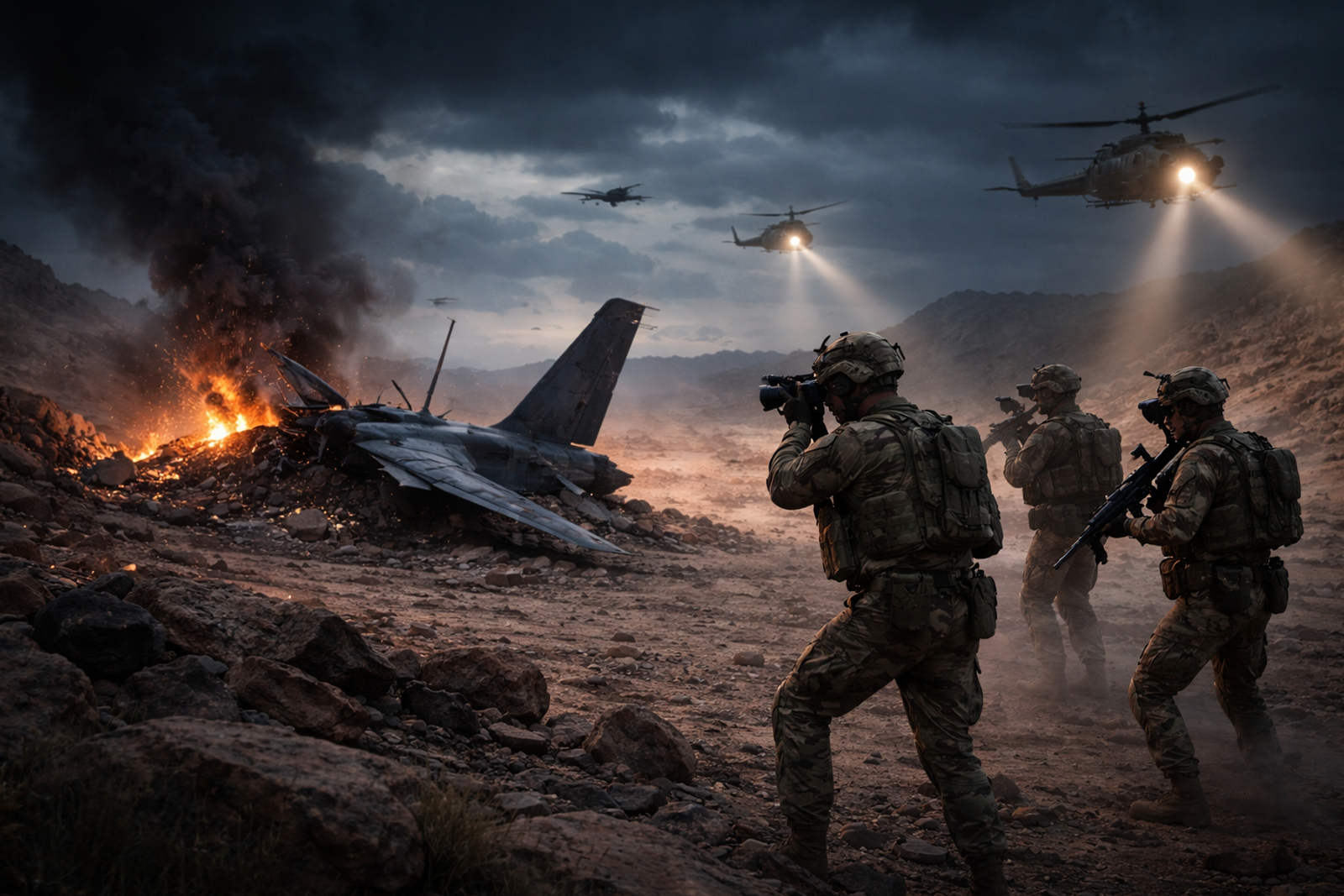
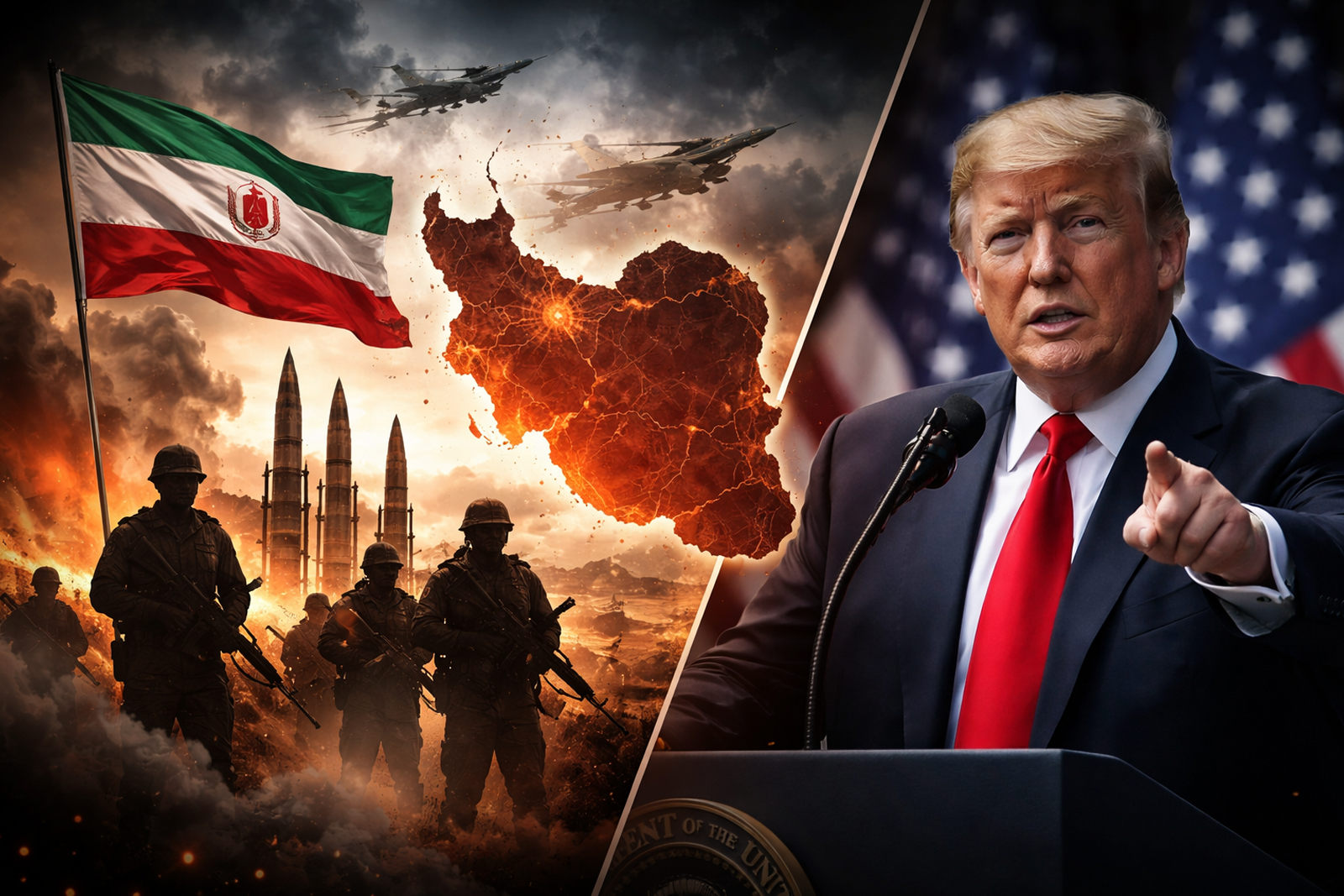
The already volatile situation in the Middle East has intensified after Iran’s military announced that it had downed a second U.S. jet in the Gulf region. The claim, which has not yet been independently verified, comes amid the ongoing Iran-Israel conflict, raising fears of a broader confrontation that could draw in global powers.
According to Iranian state media, the aircraft was targeted during heightened military activity over strategic waters. Officials in Tehran described the action as a defensive response to what they termed as “unauthorized presence” in their operational zone. Meanwhile, U.S. authorities have not confirmed the incident and are reportedly assessing the situation, including possible search-and-rescue operations.
The development has triggered alarm across international communities, with experts warning that such incidents could rapidly escalate into a larger conflict. The Gulf region, a critical hub for global oil supply and maritime trade, has long been a flashpoint for geopolitical tensions. Any military clash involving the United States risks destabilizing not only the Middle East but also the global economy.
With conflicting narratives emerging, the lack of verified information has added to the uncertainty. Several world leaders and international organizations have urged restraint and called for diplomatic dialogue to prevent further escalation. As the situation unfolds, all eyes remain on the Gulf, where even a single miscalculation could have far-reaching consequences.
The coming days are expected to be crucial in determining whether the crisis can be contained or spirals into a wider regional conflict.
The geopolitical tensions in the Middle East have taken a sharp and alarming turn following Iran’s claim that it has successfully downed a second United States military jet in the Gulf region. This development comes amid the already strained environment created by the ongoing Iran-Israel conflict, pushing the region closer to a potential large-scale confrontation. While the claim remains unverified by independent international sources, it has nonetheless intensified global concern and triggered urgent calls for restraint.
Iranian military officials, through state-backed media channels, stated that their defense systems intercepted and destroyed a U.S. aircraft operating within what they described as a sensitive and restricted zone. According to Tehran, the action was taken as part of defensive measures to safeguard national security and territorial integrity.
Key points from Iran’s statement:
As of now, the United States has not officially confirmed the loss of any aircraft. Defense authorities are reportedly monitoring the situation closely and conducting internal assessments. The absence of immediate confirmation has added a layer of uncertainty to the situation, leaving room for speculation and conflicting narratives.
Key observations from the U.S. side:
The Gulf region is one of the most strategically important areas in the world, serving as a major route for global oil shipments and international trade. Any military escalation in this zone has the potential to disrupt not just regional stability but also the global economy.
Strategic importance of the Gulf:
The claim of a second downed jet has significantly raised the stakes. Analysts warn that repeated military confrontations, even if unverified, can lead to miscalculations and unintended escalation. With multiple global powers having vested interests in the region, the situation is highly sensitive.
Potential risks ahead:
The international community has responded with concern, urging all parties to exercise restraint and avoid actions that could worsen the situation. Several countries and global organizations are calling for immediate dialogue and peaceful resolution.
Global response highlights:
One of the major challenges in the current situation is the lack of verified information. Both sides appear to be controlling narratives, making it difficult for the global audience to determine the exact sequence of events.
Challenges in information clarity:
Even the possibility of escalating conflict in the Gulf has immediate effects on global markets. Oil prices often react sharply to such developments, and investor confidence can be shaken by geopolitical instability.
Economic implications include:
The coming days are expected to be crucial in shaping the trajectory of this crisis. Whether the situation escalates or stabilizes will largely depend on diplomatic efforts, verification of claims, and military responses from both sides.
Key factors to watch:
Iran’s claim of downing a second U.S. jet has added a new layer of complexity to an already tense geopolitical landscape. While the truth behind the claim remains uncertain, its impact is undeniable. The situation underscores the fragile nature of peace in the Middle East and the far-reaching consequences of military escalation.
At this critical juncture, restraint, transparency, and diplomacy are more important than ever. The world watches closely as events unfold, aware that even a single misstep could trigger a chain reaction with global repercussions.

In today’s world of endless choices and digital noise, marketing is no longer just about promoting products — it’s about creating meaningful connections. Successful brands focus on building relationships rather than chasing transactions. Marketing that connects transforms audiences into loyal communities by earning their trust, understanding their needs, and delivering genuine value. When businesses prioritize people over promotions, marketing becomes more than strategy — it becomes a relationship built to last.

Odisha’s small businesses are entering a new era — where mobile apps, online payments, and e-commerce aren’t luxuries, but lifelines for growth and survival.

As India enters the second phase of its digital revolution, artificial intelligence and automation are not just transforming industries—they’re redefining what it means to work, earn, and adapt.

The conference brought together officials from ten central districts, including district collectors, tehsildars, registrars, and welfare officers, either virtually or in person.

We glorified sleepless nights, burnout, and exhaustion as signs of ambition. But when did working yourself to the edge become the definition of success?

Not everyone who thrives in tech writes code. Some design the very experiences that make technology human.





Leave Comments