- Loading...
- Loading...


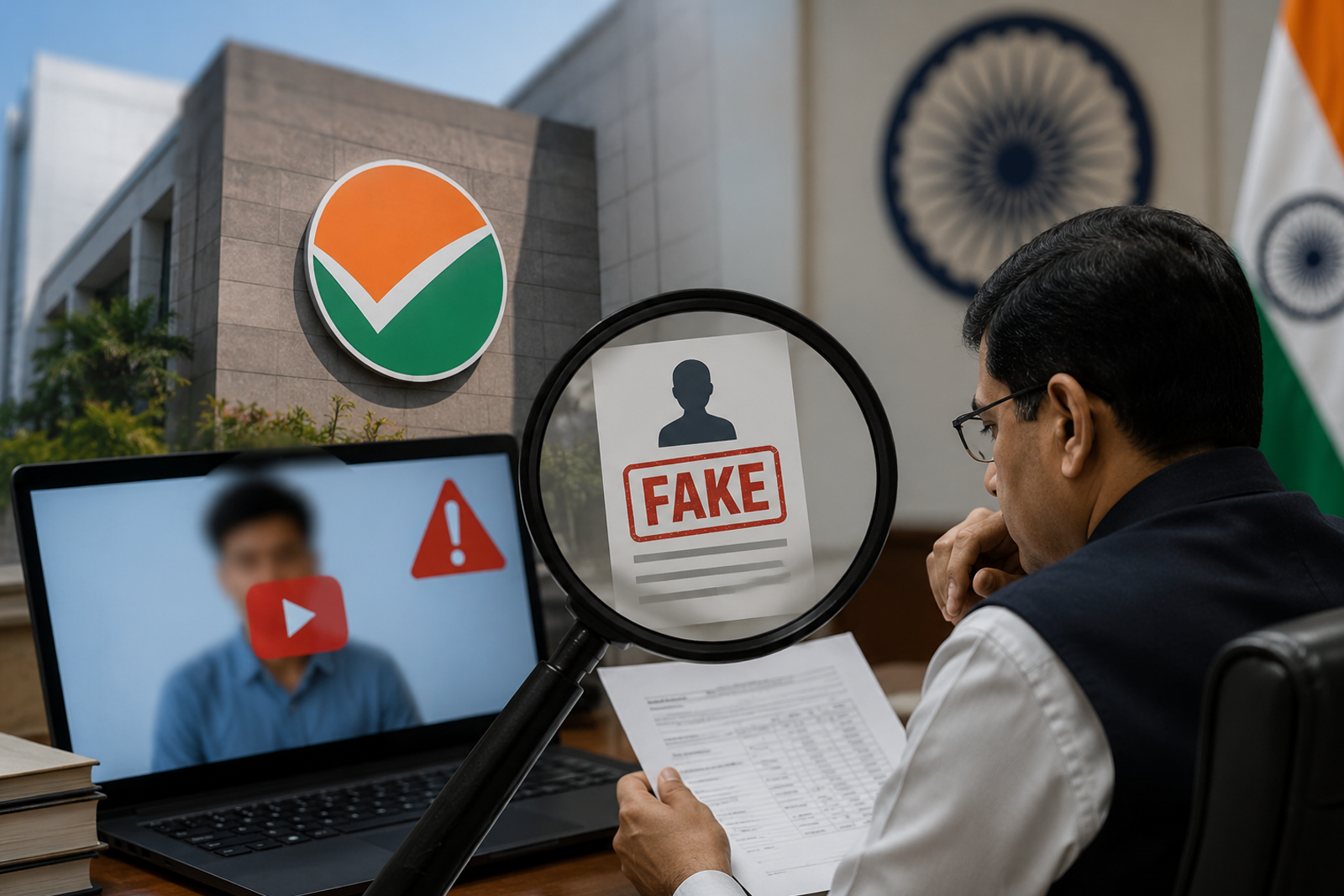
The National Testing Agency (NTA) has launched an investigation after a misleading video related to NEET UG 2026 surfaced online and quickly gained attention on social media platforms. The video allegedly contained false claims about the medical entrance examination, creating confusion among students, parents, and educators across the country.
Officials have clarified that the information presented in the viral clip is not authentic and does not represent any official communication from the agency. The NTA has urged candidates to verify all exam-related updates through its official channels and avoid relying on unverified content circulating online.
The incident highlights the increasing challenge of misinformation in the digital age. Competitive examinations such as NEET UG attract millions of aspirants every year, making them vulnerable targets for rumors and fabricated content. False information can create unnecessary panic, affect preparation strategies, and undermine confidence in the examination process.
Education experts have emphasized that students should exercise caution before sharing or believing information received through social media groups, messaging apps, or unofficial websites. Verification from trusted sources remains essential, particularly during crucial examination periods.
According to officials, the NTA has begun examining the origins of the fake video and is coordinating with relevant authorities to identify individuals or groups responsible for creating and distributing the content. The agency is expected to take appropriate action against those found guilty of spreading misleading information.
Authorities are also monitoring online platforms to prevent further circulation of the video and to ensure that accurate information reaches candidates. The move reflects the government's broader efforts to maintain transparency and credibility in national-level examinations.
The NTA has advised students and parents to remain calm and avoid reacting to unverified claims. Candidates should regularly check official notifications regarding examination schedules, admit cards, results, and other important announcements.
Experts suggest that aspirants focus on their preparation rather than being distracted by rumors. Staying informed through authentic sources can help reduce anxiety and ensure that students receive accurate guidance throughout the examination process.
The investigation into the fake NEET UG 2026 video underscores the importance of responsible information sharing in the digital era. As authorities work to trace the source of the misinformation campaign, students are being reminded that official announcements remain the most reliable source of exam-related information. The NTA's swift response aims to protect candidates from confusion and preserve trust in one of India's most significant entrance examinations.
The National Testing Agency (NTA) has initiated a detailed investigation into a fake video that falsely claimed to provide information related to the NEET UG 2026 examination. The video, which circulated widely on social media platforms and messaging applications, reportedly contained misleading statements capable of creating confusion among lakhs of medical aspirants preparing for one of India's most competitive entrance examinations.
The agency has clarified that the content of the video is not authentic and does not originate from any official source. With concerns growing over the impact of misinformation on students, the NTA has intensified efforts to identify those responsible and prevent the spread of false narratives surrounding the examination process.
The circulation of the video sparked concern among students and parents who are closely following updates regarding NEET UG 2026. Since medical entrance examinations carry significant academic and career implications, any unverified information can quickly attract attention and generate anxiety.
Many candidates reportedly sought clarification after viewing the content, prompting the NTA to issue a response and reassure aspirants that official announcements would only be made through recognized government platforms.
Recognizing the seriousness of the situation, the National Testing Agency moved quickly to counter the misinformation. Officials reiterated that students should trust only official notices released through authorized channels.
The agency also began examining the source of the video and tracking its circulation pattern across digital platforms.
These measures are intended to safeguard the interests of students and maintain confidence in the examination system.
NEET UG is among the largest entrance examinations in India, attracting millions of candidates each year.
A single viral post or video can influence preparation strategies, create unnecessary stress, and even affect students' decision-making during critical stages of their examination journey.
Students preparing for highly competitive exams already face substantial academic pressure. False information can intensify stress and uncertainty.
Misleading updates may cause aspirants to alter study plans based on incorrect assumptions regarding exam schedules or patterns.
Frequent circulation of fake content can weaken public confidence in legitimate information sources.
Students and parents may spend valuable time verifying rumors rather than focusing on preparation.
The rapid growth of social media has transformed how information is shared. While digital platforms enable quick communication, they also allow rumors to spread at unprecedented speed.
Experts note that examination-related misinformation often gains traction because candidates actively search for updates and are eager to access new information. Unscrupulous individuals sometimes exploit this demand by creating sensational content designed to attract views, shares, or engagement.
The latest fake NEET UG 2026 video appears to be part of this broader challenge facing educational authorities across the country.
Officials are reportedly working to determine where the video originated and how it gained widespread visibility. Investigators may analyze digital footprints, social media activity, and distribution networks involved in sharing the content.
The objective is not only to identify the creators but also to understand whether the misinformation was spread intentionally or as part of a coordinated effort.
Authorities are expected to take appropriate legal action if violations of applicable laws are established.
The NTA has once again emphasized that students should obtain examination-related information only from official platforms. In an environment where false information can spread rapidly, verification has become more important than ever.
Students are advised not to forward unverified messages or videos without confirming their authenticity.
Parents, teachers, coaching centers, and schools also play an important role in preventing the spread of misinformation.
By encouraging fact-checking and responsible digital behavior, educational stakeholders can help create a more reliable information environment for aspirants.
These simple measures can significantly reduce the influence of false information.
The NTA's decision to investigate the fake video reflects a broader commitment to protecting the integrity of national-level examinations. Maintaining transparency and ensuring accurate communication are essential for preserving public trust.
Over the years, examination authorities have increasingly adopted digital monitoring mechanisms, awareness campaigns, and verification systems to counter misinformation and enhance security.
The National Testing Agency's probe into the fake NEET UG 2026 video sends a clear message that misinformation related to public examinations will be taken seriously. As investigations continue, authorities are focused on identifying those responsible and preventing further circulation of misleading content.
For millions of NEET aspirants, the incident serves as a reminder of the importance of verifying information before accepting or sharing it. In an era where digital content spreads rapidly, reliance on official sources remains the safest and most effective way to stay informed.
The NTA's swift action aims not only to address the immediate issue but also to reinforce confidence in the examination system, ensuring that students can focus on their academic goals without being distracted by false or misleading claims.

In today’s world of endless choices and digital noise, marketing is no longer just about promoting products — it’s about creating meaningful connections. Successful brands focus on building relationships rather than chasing transactions. Marketing that connects transforms audiences into loyal communities by earning their trust, understanding their needs, and delivering genuine value. When businesses prioritize people over promotions, marketing becomes more than strategy — it becomes a relationship built to last.

Odisha’s small businesses are entering a new era — where mobile apps, online payments, and e-commerce aren’t luxuries, but lifelines for growth and survival.

As India enters the second phase of its digital revolution, artificial intelligence and automation are not just transforming industries—they’re redefining what it means to work, earn, and adapt.

The conference brought together officials from ten central districts, including district collectors, tehsildars, registrars, and welfare officers, either virtually or in person.

We glorified sleepless nights, burnout, and exhaustion as signs of ambition. But when did working yourself to the edge become the definition of success?

Not everyone who thrives in tech writes code. Some design the very experiences that make technology human.


Leave Comments