- Loading...
- Loading...


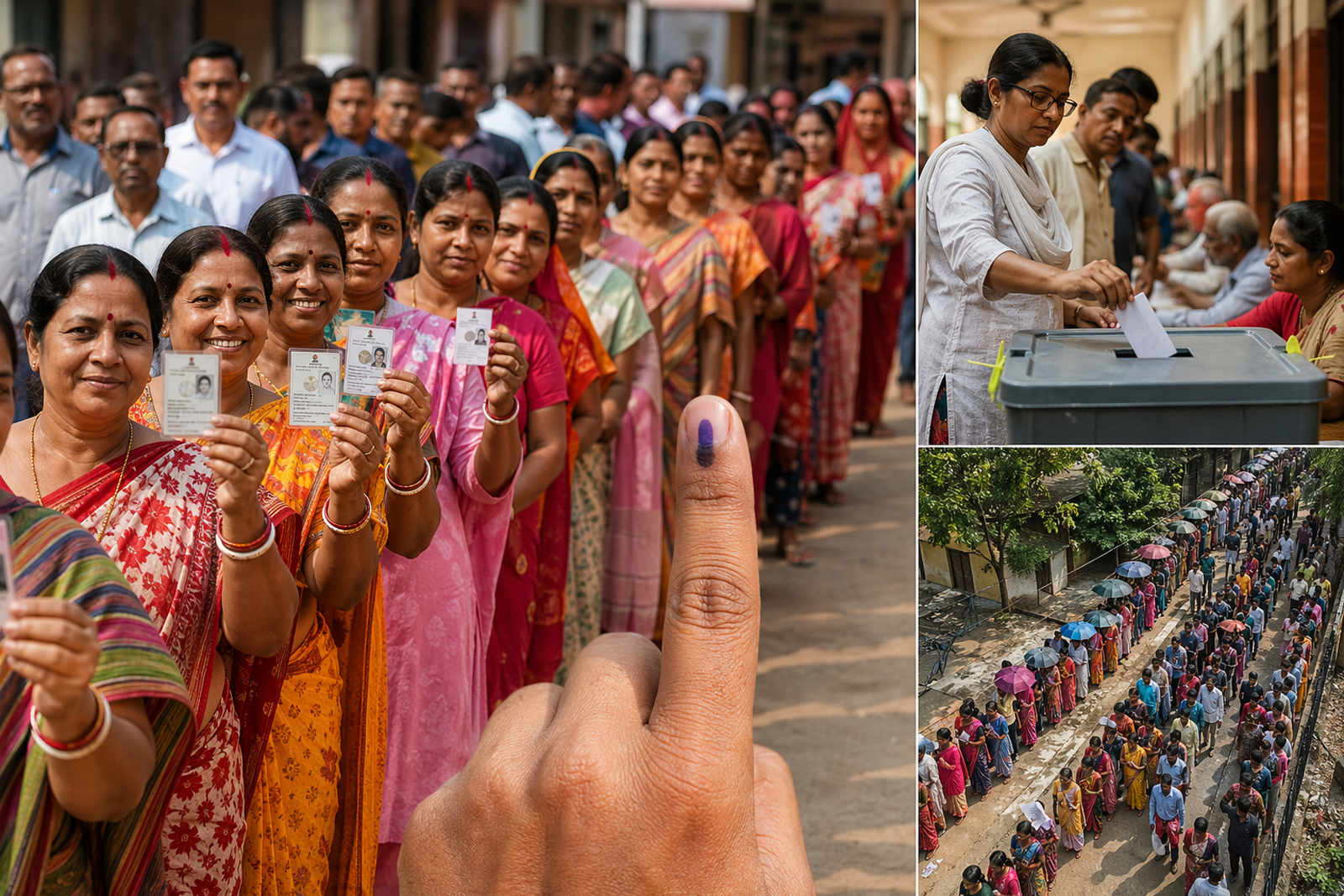
The first phase of the West Bengal Assembly Elections 2026 concluded with an extraordinary display of public participation, as voter turnout crossed an estimated 92 percent. This remarkable figure reflects a deep-rooted democratic spirit among the people and highlights the significance of this election in shaping the state’s political future. From rural belts to semi-urban constituencies, long queues were visible outside polling booths from the early hours of the morning, indicating strong enthusiasm among voters.
Security arrangements remained a top priority throughout the polling process. Central forces and state police were deployed in large numbers to ensure a peaceful voting environment. Despite minor incidents reported in isolated areas, the overall polling process was largely smooth and orderly. Election officials closely monitored sensitive booths using surveillance systems and ground personnel to prevent any disruptions.
A notable aspect of this phase was the active participation of first-time voters, women, and elderly citizens. Special arrangements such as wheelchair access, help desks, and priority queues were implemented to make voting accessible for all. Many polling stations also embraced eco-friendly initiatives, adding a progressive touch to the electoral exercise.
Political parties kept a close watch on turnout trends, as high voter participation often influences electoral outcomes. While ruling and opposition parties expressed confidence in their respective performances, analysts suggest that such a high turnout could indicate a desire for either continuity or change among the electorate.
The Election Commission ensured strict adherence to guidelines, maintaining transparency and fairness throughout the process. Polling officials worked efficiently to manage the heavy voter flow, ensuring minimal waiting time and a hassle-free experience for citizens.
As the state moves toward the next phases of voting, the momentum generated by this record-breaking turnout is expected to continue. The first phase has not only demonstrated the strength of democratic values in West Bengal but has also set a high benchmark for the remaining stages of the election. All eyes are now on the upcoming phases, which will further determine the political direction of the state in the coming years.
The first phase of the West Bengal Assembly Elections 2026 has concluded with an exceptional voter turnout exceeding 92 percent, marking one of the highest participation rates in the state’s recent electoral history. This overwhelming response from the electorate has not only drawn national attention but also underscored the intensity and importance of this election cycle. With several key constituencies voting in this phase, the strong turnout is being seen as a decisive indicator of public sentiment.
Polling day began early, with voters lining up outside booths even before voting officially commenced. Across rural villages and semi-urban regions, citizens displayed remarkable eagerness to exercise their democratic rights. The early surge set the tone for the day, and the steady flow of voters continued well into the evening, contributing to the impressive final turnout figure.
One of the defining features of this phase was the diverse voter participation. Women voters turned out in large numbers, in some areas even surpassing male turnout. First-time voters, particularly young individuals, played a crucial role in boosting the overall percentage. Senior citizens and differently-abled voters were also seen actively participating, aided by special arrangements at polling stations.
Given the political sensitivity of the state, extensive security arrangements were implemented. Central armed police forces, along with state police personnel, were deployed across polling stations to maintain order. Sensitive and hyper-sensitive booths were under strict surveillance, including live monitoring systems. While a few minor disturbances were reported, authorities acted swiftly to ensure they did not escalate, keeping the overall process peaceful.
The Election Commission played a pivotal role in ensuring free and fair elections. Strict guidelines were enforced across constituencies, and polling officials were trained to handle large crowds efficiently. Measures such as voter awareness campaigns, mock drills, and digital monitoring systems contributed to the seamless execution of the voting process.
Political parties closely tracked voter turnout throughout the day. Leaders from both ruling and opposition camps expressed optimism, interpreting the high turnout as support for their respective agendas. While some view the surge as a sign of pro-incumbency, others argue it reflects a desire for change. The actual impact will only become clear once votes are counted.
Several factors contributed to the record-breaking participation:
Managing such a large voter turnout required meticulous planning. Polling stations were equipped with adequate staff and resources to handle the influx. Queue management systems, voter assistance booths, and clear signage helped streamline the process. In many areas, local volunteers assisted election officials in guiding voters.
The use of technology added another layer of efficiency and transparency. Electronic voting machines (EVMs) functioned smoothly, with very few technical glitches reported. Real-time monitoring and communication systems enabled quick responses to any issues on the ground.
Despite the largely peaceful process, some challenges were reported:
Authorities, however, managed these challenges effectively, ensuring they did not disrupt the overall process.
The extraordinary turnout in Phase 1 has set a strong precedent for the remaining phases of the election. It has also increased expectations for similar participation levels in upcoming rounds. Political parties are likely to intensify their campaigns, focusing on voter mobilization and outreach strategies.
High voter turnout often plays a crucial role in determining election results. It can signal a shift in voter mood, either reinforcing the current leadership or paving the way for change. Analysts believe that such a significant turnout could lead to unexpected outcomes in several constituencies.
As West Bengal moves forward with the next phases of voting, the spotlight will remain on voter participation trends and political developments. The first phase has already demonstrated that citizens are deeply invested in the democratic process. With more rounds of polling ahead, the momentum is expected to continue, shaping a highly competitive and closely watched election.
The completion of Phase 1 with over 92 percent voter turnout marks a defining moment in the West Bengal Elections 2026. It reflects not just political engagement but also the strength of democratic values among the people. As the state progresses through the remaining phases, this remarkable beginning will serve as a benchmark, reinforcing the importance of every vote in determining the future of governance.


In today’s world of endless choices and digital noise, marketing is no longer just about promoting products — it’s about creating meaningful connections. Successful brands focus on building relationships rather than chasing transactions. Marketing that connects transforms audiences into loyal communities by earning their trust, understanding their needs, and delivering genuine value. When businesses prioritize people over promotions, marketing becomes more than strategy — it becomes a relationship built to last.

Odisha’s small businesses are entering a new era — where mobile apps, online payments, and e-commerce aren’t luxuries, but lifelines for growth and survival.

As India enters the second phase of its digital revolution, artificial intelligence and automation are not just transforming industries—they’re redefining what it means to work, earn, and adapt.

The conference brought together officials from ten central districts, including district collectors, tehsildars, registrars, and welfare officers, either virtually or in person.

We glorified sleepless nights, burnout, and exhaustion as signs of ambition. But when did working yourself to the edge become the definition of success?

Not everyone who thrives in tech writes code. Some design the very experiences that make technology human.





Leave Comments