- Loading...
- Loading...


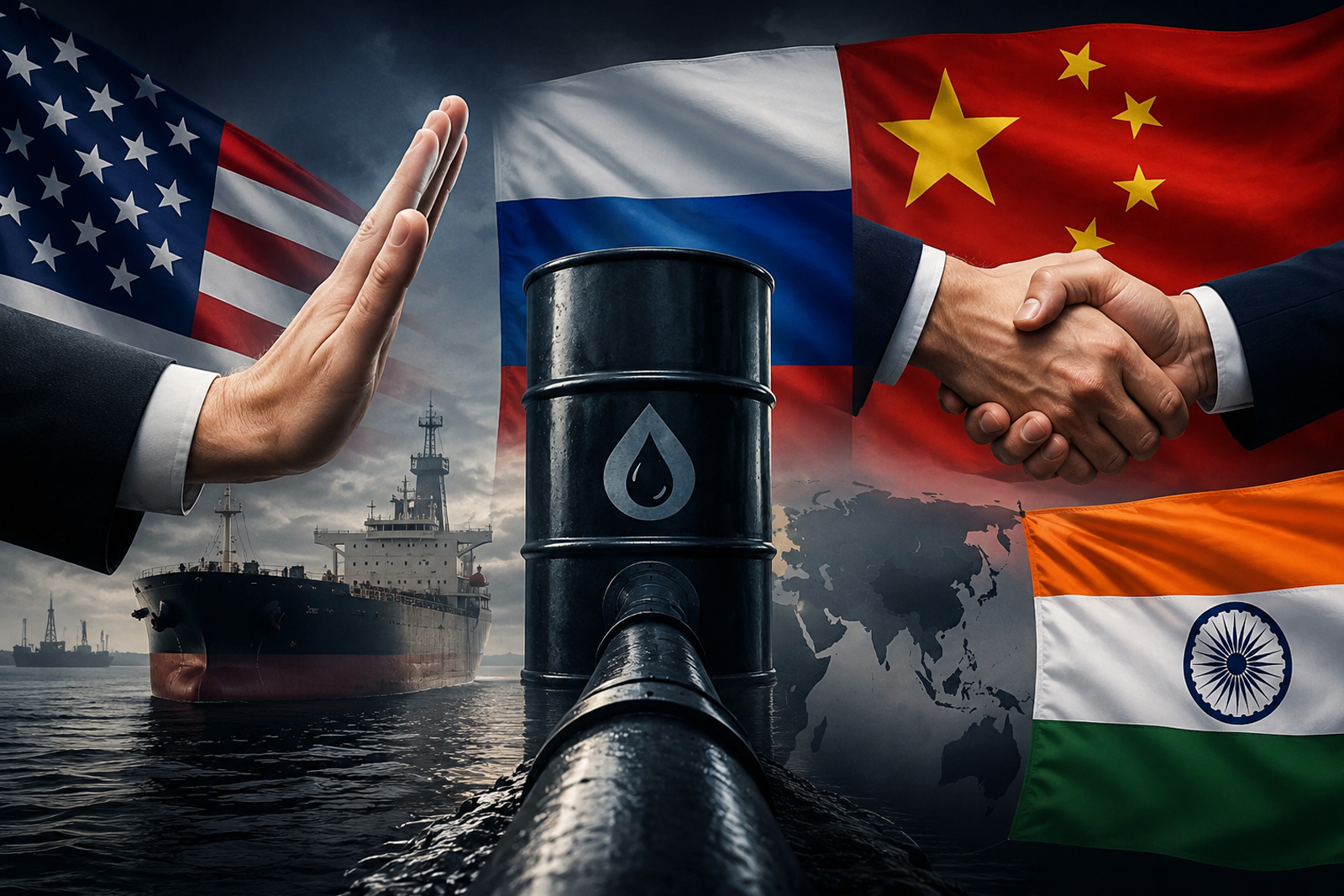
The decision by the administration of Donald Trump to extend the sanctions waiver on Russian crude imports marks a significant shift in global energy diplomacy. While the move appears technical on the surface, its broader objective is deeply strategic—limiting China’s ability to accumulate large volumes of discounted Russian oil, thereby influencing geopolitical leverage in the ongoing global power balance.
Since the outbreak of the Russia-Ukraine War, Western nations have imposed multiple sanctions on Russia’s energy exports. However, selective waivers have allowed certain countries to continue limited transactions to prevent global supply disruptions. The latest extension signals Washington’s intent to maintain stability in oil markets while simultaneously controlling how benefits from discounted crude are distributed globally.
For India, the situation presents both opportunity and challenge. Over the past few years, India has emerged as a major buyer of Russian crude, capitalizing on lower prices to manage domestic fuel costs and inflation. The waiver extension ensures that Indian refiners can continue sourcing oil without immediate disruption. However, it also brings increased scrutiny from global partners, especially as the U.S. sharpens its focus on limiting China’s energy advantage.
India now finds itself navigating a complex diplomatic path. On one hand, affordable energy imports are crucial for sustaining economic growth. On the other, maintaining strong ties with Western allies remains equally important.
In essence, the U.S. move is not just about sanctions—it is about shaping the future of global energy flows. As major powers recalibrate their strategies, India’s response will play a critical role in defining its position in an increasingly polarized world order.
The extension of the sanctions waiver on Russian crude by the administration of Donald Trump has added a new layer of complexity to the already evolving global energy landscape. At its core, the decision reflects a careful balancing act—ensuring stability in global oil supplies while strategically limiting the advantage that China could gain by stockpiling discounted Russian crude. For India, the development presents both economic opportunity and diplomatic sensitivity.
The waiver is not merely a relaxation of sanctions; it is a calculated geopolitical instrument. Since the onset of the Russia-Ukraine War, Western nations have sought to curb Russia’s revenue from energy exports without triggering a global supply shock. By extending selective waivers, the United States ensures that oil continues to flow into the market, preventing price spikes that could harm global economies.
However, the deeper objective lies in shaping who benefits the most from discounted Russian oil. China, with its vast storage capacity and aggressive buying strategy, has been in a position to accumulate large reserves at reduced prices. By controlling the terms and reach of waivers, Washington aims to indirectly restrict Beijing’s ability to capitalize excessively on these discounts.
India has significantly increased its imports of Russian crude since 2022, taking advantage of discounted rates to reduce its import bill. This has helped stabilize domestic fuel prices and shield the economy from global inflationary pressures. The waiver extension provides short-term reassurance that these imports can continue without immediate legal or financial obstacles.
Yet, the situation is far from straightforward. India must carefully balance its energy needs with its diplomatic relationships. Its growing engagement with Western countries, particularly the United States, requires a nuanced approach to avoid friction.
China remains a central factor in this policy decision. As the world’s second-largest economy and a major energy importer, its ability to secure discounted oil has implications far beyond its borders. Large-scale stockpiling not only strengthens China’s energy security but also enhances its geopolitical leverage.
By extending the waiver with implicit limitations, the U.S. is attempting to ensure that the benefits of discounted Russian oil are not disproportionately concentrated in China’s favor. This reflects a broader strategy of economic containment without direct confrontation.
The waiver extension has a stabilizing effect on global oil markets in the short term. Continued Russian exports prevent supply shortages, which in turn keeps prices from rising sharply. However, the long-term outlook remains uncertain as geopolitical tensions persist.
Oil-producing nations and major consumers alike are closely monitoring these developments. Any shift in policy—whether tightening or further relaxation—could significantly alter market dynamics.
India’s response to this evolving scenario will be crucial in shaping its future energy strategy. The country is already investing in renewable energy, expanding strategic petroleum reserves, and exploring new supply partnerships.
The extension of the Russian oil sanctions waiver is more than a temporary policy adjustment—it is a reflection of shifting global priorities. While the United States seeks to balance market stability with strategic containment of China, countries like India must navigate a path that protects their economic interests without compromising diplomatic relationships.
In this evolving landscape, India’s ability to adapt, diversify, and strategically engage with global powers will determine how effectively it can turn challenges into opportunities. The coming years will test not only its energy policies but also its role in a rapidly changing world order.

In today’s world of endless choices and digital noise, marketing is no longer just about promoting products — it’s about creating meaningful connections. Successful brands focus on building relationships rather than chasing transactions. Marketing that connects transforms audiences into loyal communities by earning their trust, understanding their needs, and delivering genuine value. When businesses prioritize people over promotions, marketing becomes more than strategy — it becomes a relationship built to last.
Odisha’s small businesses are entering a new era — where mobile apps, online payments, and e-commerce aren’t luxuries, but lifelines for growth and survival.

As India enters the second phase of its digital revolution, artificial intelligence and automation are not just transforming industries—they’re redefining what it means to work, earn, and adapt.

The conference brought together officials from ten central districts, including district collectors, tehsildars, registrars, and welfare officers, either virtually or in person.

We glorified sleepless nights, burnout, and exhaustion as signs of ambition. But when did working yourself to the edge become the definition of success?

Not everyone who thrives in tech writes code. Some design the very experiences that make technology human.




Leave Comments