- Loading...
- Loading...


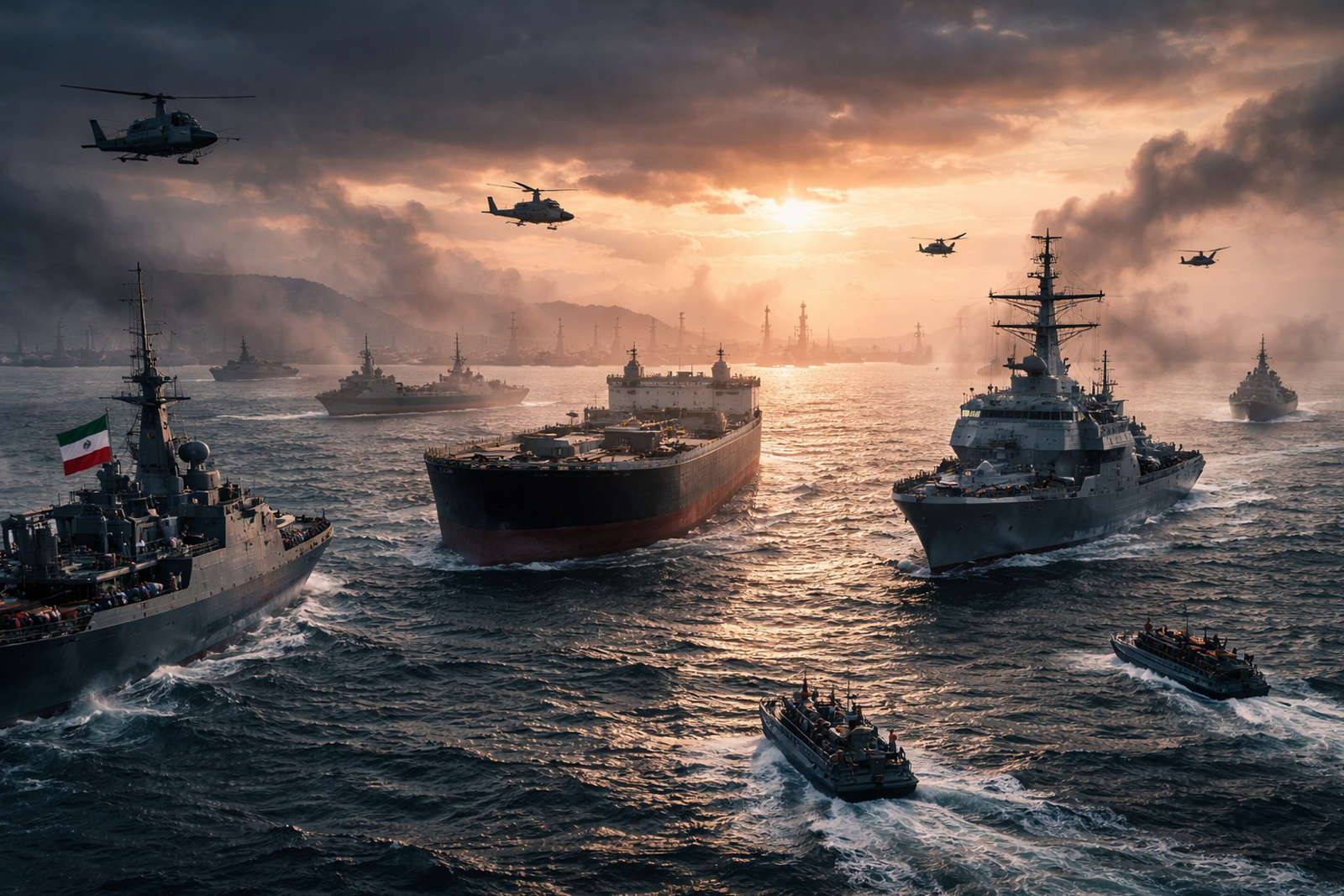
Iran’s decision to skip the second round of diplomatic talks in Pakistan has added a fresh layer of uncertainty to an already fragile geopolitical situation. The move comes after Tehran accused the United States of placing “excessive and unrealistic” demands on the negotiating table, effectively stalling progress that many had hoped would ease rising tensions in the region. What was initially seen as a potential breakthrough moment has now turned into another setback in efforts to stabilize relations.
Officials in Iran indicated that the expectations set by Washington went beyond the scope of previously discussed frameworks. According to diplomatic sources, these demands included stricter conditions related to nuclear compliance, regional influence, and security commitments—issues that have long been points of contention between the two nations. By stepping away from the talks, Iran has signaled that it is unwilling to negotiate under pressure or accept terms it perceives as one-sided.
Compounding the situation is the growing concern around the Strait of Hormuz, a critical global oil transit route. Reports of a possible blockade or disruption in the area have triggered alarm across international markets and political circles. Any restriction in this narrow passage, through which a significant portion of the world’s oil supply flows, has the potential to send shockwaves through the global economy. Energy prices have already shown signs of volatility as traders react to the uncertainty.
Pakistan, which was expected to host the second round of discussions, now finds itself in a delicate diplomatic position. The country had aimed to play a constructive role by facilitating dialogue between Iran and the United States. However, Iran’s withdrawal has temporarily halted those efforts, raising questions about the future of the negotiation process and whether an alternative venue or mediator might be considered.
Meanwhile, global powers are closely monitoring the situation, urging restraint from all sides. The combination of stalled diplomacy and strategic tensions in the Gulf region underscores the fragile balance that currently exists. Without meaningful dialogue, the risk of escalation remains high, making it increasingly important for diplomatic channels to reopen before the situation spirals further out of control.
Iran’s refusal to participate in the second round of diplomatic talks scheduled in Pakistan has significantly raised concerns about the future of negotiations with the United States. The development highlights deep-rooted disagreements that continue to prevent meaningful progress, even as global stakeholders push for stability in a region critical to energy security and international trade.
Iran’s decision did not come unexpectedly but reflects mounting frustration with the direction of negotiations. Officials in Tehran argue that the U.S. has shifted the goalposts by introducing demands that go far beyond earlier agreements.
Key reasons behind Iran’s withdrawal include:
This move underscores the widening trust deficit between the two nations, making future talks even more difficult to organize.
At the center of the escalating tension is the Strait of Hormuz, one of the most vital oil transit chokepoints in the world. Any disruption in this narrow passage can have immediate global consequences.
Why the Strait of Hormuz matters:
Recent reports suggesting a potential blockade or restrictions have already unsettled energy markets, highlighting the fragility of the current situation.
Pakistan had positioned itself as a neutral venue to facilitate dialogue between Iran and the United States. Hosting such talks was seen as an opportunity for Islamabad to strengthen its diplomatic standing on the global stage.
However, Iran’s absence has complicated these ambitions.
Challenges faced by Pakistan:
Despite this setback, Pakistan may still play a role in future negotiations if both parties agree to resume talks.
The combination of stalled diplomacy and heightened tensions around the Strait of Hormuz is already influencing global markets.
Immediate effects include:
Countries heavily dependent on oil imports are particularly vulnerable, making the situation a matter of international concern rather than a regional issue alone.
The international community has responded with a mix of चिंता and caution. Several nations and organizations are urging both sides to return to the negotiating table.
Global responses include:
The failure of talks not only affects bilateral relations but also weakens broader efforts to maintain peace in a strategically sensitive area.
With the talks in Pakistan now off the table, the future of negotiations remains uncertain. However, diplomacy rarely follows a straight path, and alternative options may still emerge.
Possible next steps:
The coming weeks will be crucial in determining whether tensions escalate further or if diplomatic efforts can regain momentum.
Iran’s decision to skip the Pakistan talks has added another layer of complexity to an already tense geopolitical environment. Combined with growing concerns over the Strait of Hormuz, the situation carries significant implications for global stability and economic security. While the path forward remains uncertain, one thing is clear: without renewed dialogue and compromise, the risk of escalation will continue to rise, affecting not just the region but the entire world.

In today’s world of endless choices and digital noise, marketing is no longer just about promoting products — it’s about creating meaningful connections. Successful brands focus on building relationships rather than chasing transactions. Marketing that connects transforms audiences into loyal communities by earning their trust, understanding their needs, and delivering genuine value. When businesses prioritize people over promotions, marketing becomes more than strategy — it becomes a relationship built to last.
Odisha’s small businesses are entering a new era — where mobile apps, online payments, and e-commerce aren’t luxuries, but lifelines for growth and survival.

As India enters the second phase of its digital revolution, artificial intelligence and automation are not just transforming industries—they’re redefining what it means to work, earn, and adapt.

The conference brought together officials from ten central districts, including district collectors, tehsildars, registrars, and welfare officers, either virtually or in person.

We glorified sleepless nights, burnout, and exhaustion as signs of ambition. But when did working yourself to the edge become the definition of success?

Not everyone who thrives in tech writes code. Some design the very experiences that make technology human.





Leave Comments